Geely’s new ultra-integrated Thunder drive unit exposes the myth of the big battery pack
The auto industry's obsession with stuffing electric cars with heavy battery packs to fix range anxiety sounds a bit like a lazy engineering shortcut. It seems automakers believe that making an EV heavier is the only way for it to go farther - an approach that is painfully counterintuitive. Adding weight increases rolling resistance, needs stiffer suspension components, and in the end hurts driving dynamics and efficiency. It really is the proverbial catch 22.
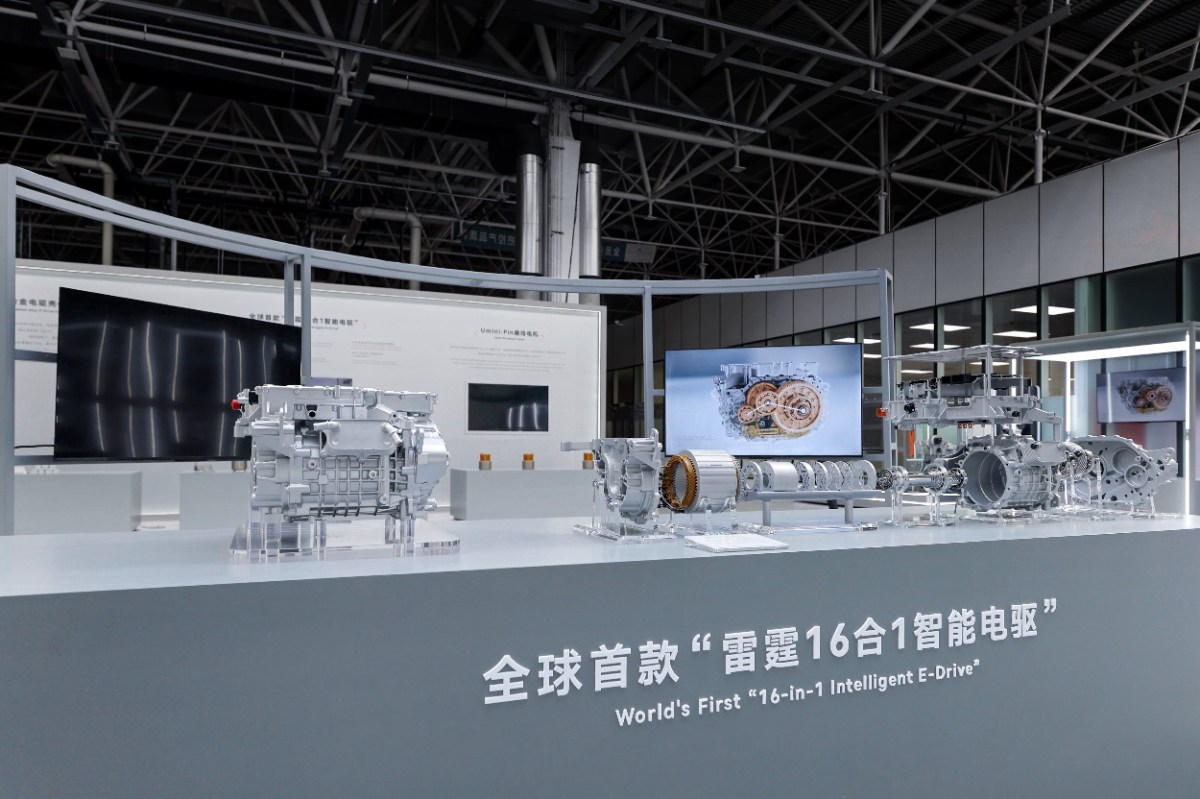
Well, someone at Geely must have agreed with me, because they just delivered a rude reminder that true innovation is in elegant component minimalism rather than brute force. Their new Thunder 16-in-1 intelligent electric drive system is a huge mechanical leap that shows how much efficiency we can still extract from the drivetrain itself, rather than relying purely on making batteries bigger.
Instead of scattering separate electrical modules across a vehicle chassis like most legacy designs do, Geely and its subsidiary InfiMotion took integration to an extreme. They consolidated 12 distinct hardware components - including the electric motor, inverter, reduction gearbox, on-board charger, DC-DC converter, and high-voltage distribution box - alongside four advanced software systems into a single housing. This aggressive consolidation removes over 180 redundant internal parts and reduces external high-voltage connection points by 30%. The result is a featherweight power unit that scales down the entire system weight to just 165 lb - that's more than 15% lighter than the industry average, proving that clutter reduction brings immediate results.
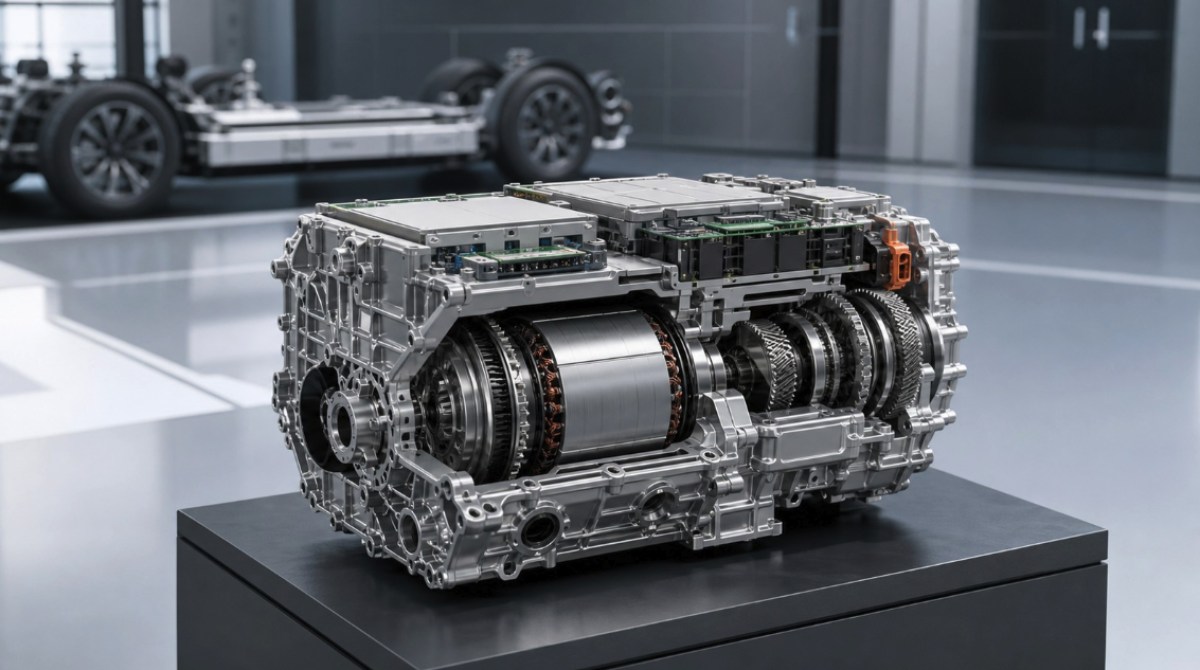
Packaging benefits extend far beyond weight savings, directly changing the layout of the vehicle. The entire integrated assembly stands at a compact height below 12.8 inches. By carving away the usual mechanical bulk, this ultra-low profile frees up an additional 28L of space, adding nearly one cubic foot of front luggage volume for groceries or travel gear. I see this layout making its grand debut in the Geely Galaxy TT sports sedan, a sleek fastback with serious exterior proportions - it is 196.8 inches long, 75.6 inches wide, and 58.2 inches tall, riding on a generous 115 inches wheelbase.
To provide some context, these dimensions put the Galaxy TT directly in the crosshairs of the Xiaomi SU7, which is 196.7 inches long, 77.3 inches wide, and has a slightly longer 118 inches wheelbase. Geely's new sports sedan also dwarfs smaller, mainstream benchmarks like the Tesla Model 3, which stretches 185.8 inches long and 72.8 inches wide, as well as the BYD Seal at 189 inches in length. By shrinking the physical footprint of the electric drive unit so drastically within a mid-to-large sedan body, Geely maximizes actual cabin space and storage efficiency far better than rivals that still use separate, bulky sub-assemblies.
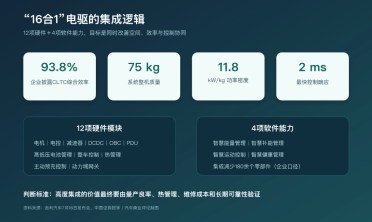
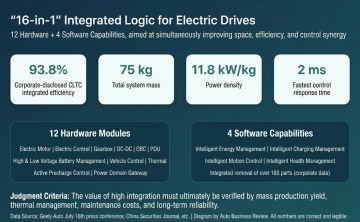
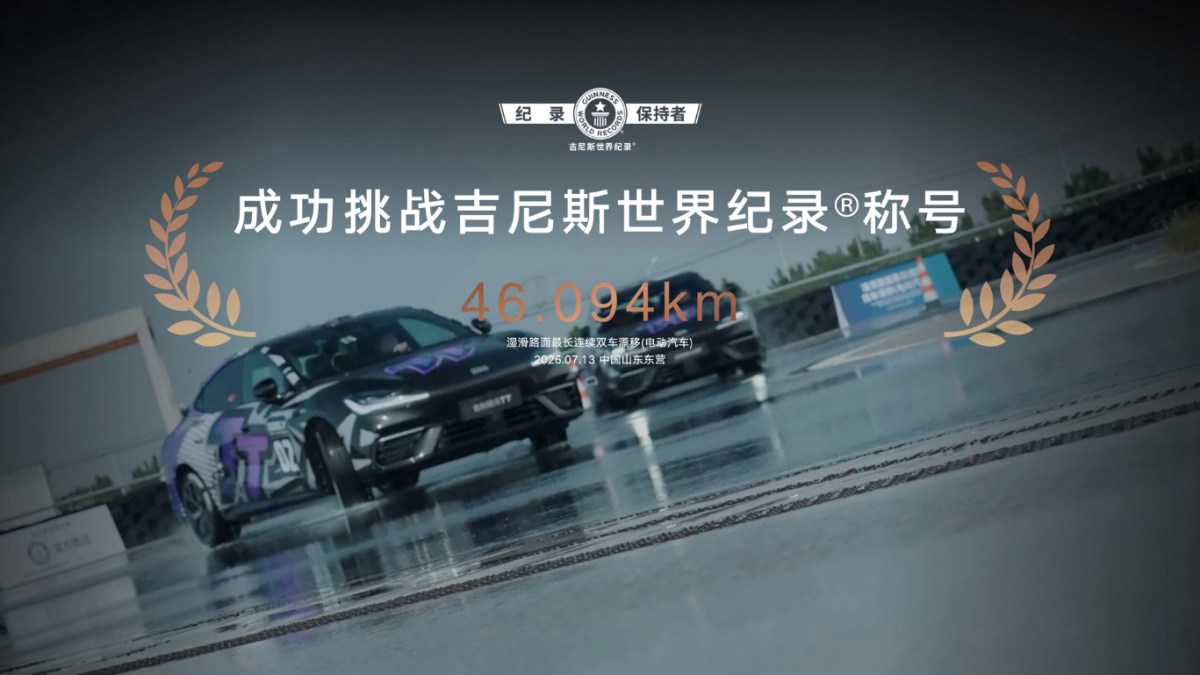
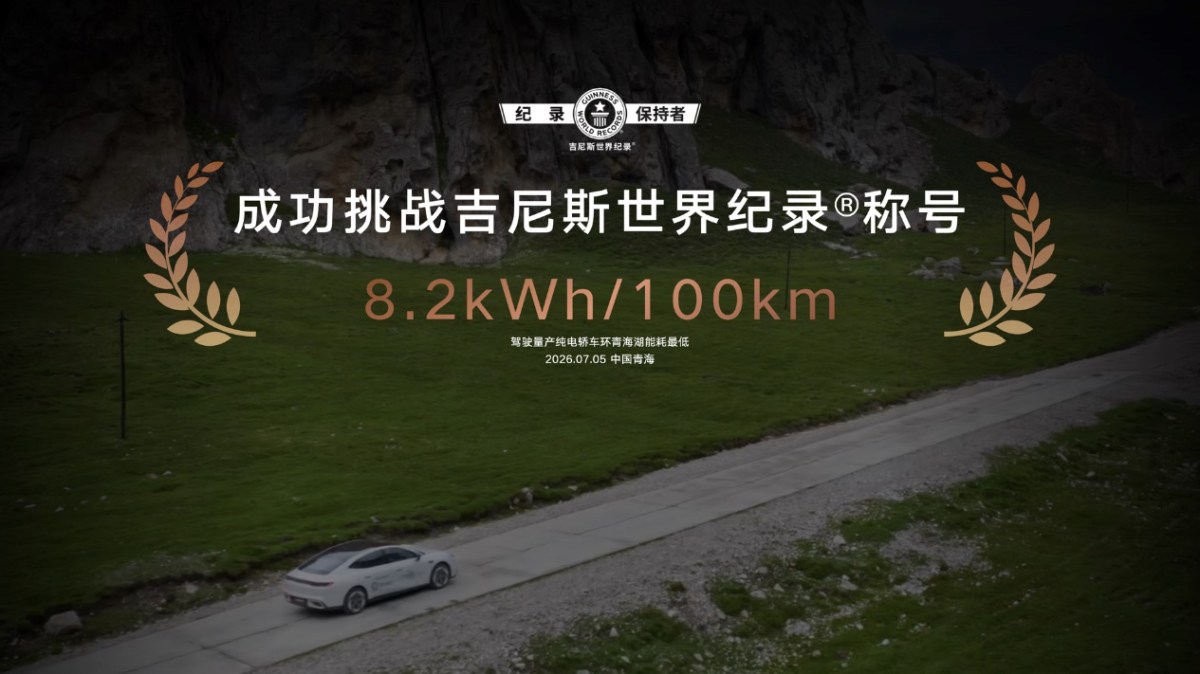
The real triumph of this engineering exercise is the real-world efficiency it squeezes out of standard battery cells. The Thunder system claims a production-record peak comprehensive efficiency rating of 93.8 percent under the China Light-Duty Vehicle Test Cycle. In certified testing around Qinghai Lake, a Galaxy TT test car achieved an energy consumption rating of 8.20 kWh per 62 miles. This suggests an impressive real-world range efficiency of 5.8 miles to 7.6 miles per kWh, depending on how hard you push the vehicle. To prove this setup handles extreme mechanical torture alongside hypermiling economy, Geely even secured a Guinness World Record for the longest continuous wet-surface twin-car drift, covering 28.641 miles without the system overheating or dropping power.
When the production version hits the streets, drivers can choose between two configurations. The standard rear-wheel-drive version has a single motor pushing out 245 kW, or 329 horsepower. If you want something with real muscle, the dual-motor, all-wheel-drive beast delivers a combined 425 kW (570 horsepower) and rips from zero to 62 mph in a brief 3.8 seconds. This setup runs on an 800V platform managed by a proprietary One-Chip power domain control architecture. By centralizing the control functions in a unified computing platform rather than relying on isolated microprocessors, Geely slashes power-control processing latency from the industry average of 40 milliseconds down to a nearly instantaneous 2 milliseconds.
But - and it's a big one - this level of extreme integration always makes me skeptical about long-term maintenance and servicing. Shoving an inverter, a high-voltage distribution box, and a mechanical gearbox into the same cramped housing creates a thermal puzzle, since power electronics and electric motors operate at entirely different ideal temperatures. Geely attempts to mitigate this by designing a 54-channel directional cooling architecture around the stator and rotor, which successfully drops peak motor operating temperatures by {{15ºC}}. Even so, if an on-board charger or a software controller fails three years into ownership, I wonder how easily an independent technician can diagnose and swap out that individual component without forcing the owner to replace the entire 165 lb drive unit.
The technological offensive comes at a very important moment in Geely's history and market strategy. The company is transitioning from a fast-following domestic brand into a global player that wants to dictate the industry's technological pace. We saw early signs of this disruption when they introduced plug-in hybrids overseas, and their recent market data reveals the volume driving this ambition. In June 2026 alone, Geely Auto Group reported 240,799 total vehicle deliveries, with the ever-expanding Galaxy sub-brand accounting for 108,206 of those. Geely plans to debut this Thunder system on premium vehicles priced above RMB 250,000 (roughly $34,400), launching first on the Galaxy TT sedan in the third quarter of 2026 before expanding to the updated Lynk & Co 02.
This all-new 16-in-1 drive unit is a rude wake-up call for the global EV sector. Legacy giants focus on chemistry breakthroughs and massive, heavy physical batteries to mask inefficient electric motors and messy, unoptimized wiring. Geely's structural minimalism proves that true EV refinement comes from optimizing the platform, not just packing more raw materials into the floor. If competing brands do not accelerate their integration efforts quickly, they will find themselves holding heavy, bloated EVs in a market that increasingly demands lean efficiency.



Reader comments
- Anonymous
- dM{
Agree on the maintenance issue. If it is accessible from all sides to different components than should be ok. Problem will be if somebody will have an idea that you can not change just broken inverter - you have to change (and pay of course) the hol...

From the team behind
GSMArena.com
Facebook
Twitter
Instagram
RSS
Settings
Log in I forgot my password Sign up