Google upgrades Android Auto with smart AI integration and better visuals
Software directs the modern automotive industry. Today, electric cars and traditional vehicles operate as rolling computers, and the dashboard screen serves as the main command center. Google is at the forefront of this shift and announced a major overhaul for its Android Auto platform. The latest update promises to directly challenge Apple CarPlay by redesigning how drivers interact with their vehicle screens. For the first time since its launch over a decade ago, the system adapts to any display shape or physical size.
Automakers design screens in many unusual shapes, and tech companies often struggle to match them. It took Google 11 long years, but Android Auto finally fills the entire display without leaving awkward black borders. The software now stretches from edge to edge seamlessly. The company demonstrated this new flexibility on several unique vehicle screens. The system easily adapted to the completely round display of a Mini, the irregular curved screen inside a Lucid, and the trapezoidal center touchscreen of a BMW. The virtual buttons now sit in a floating rectangle, which keeps the digital layout looking clean and modern.
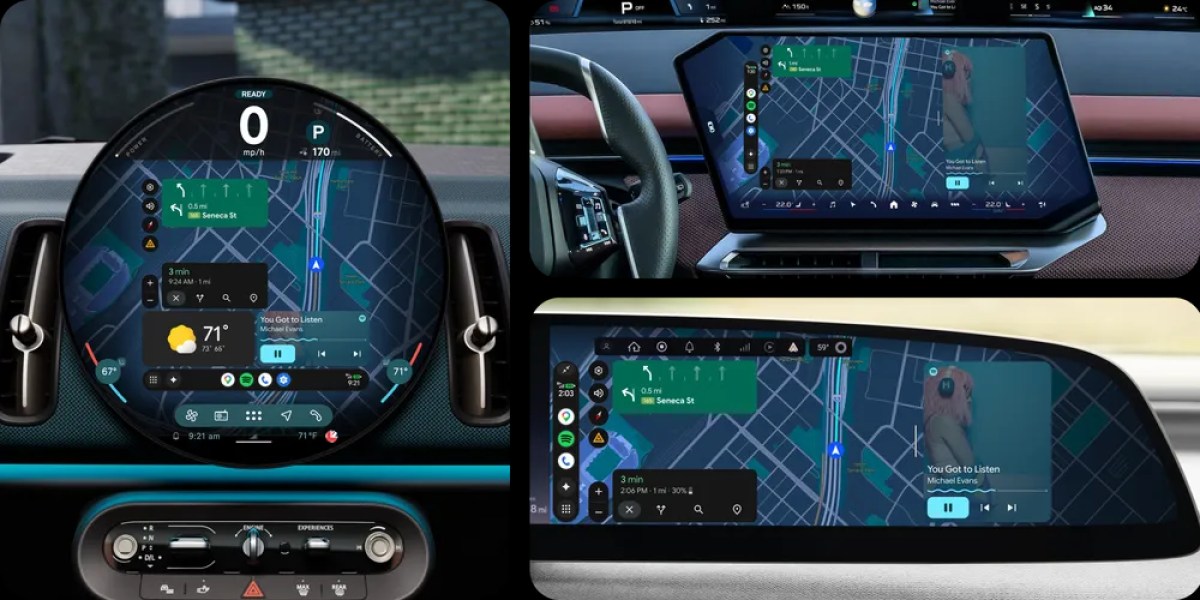
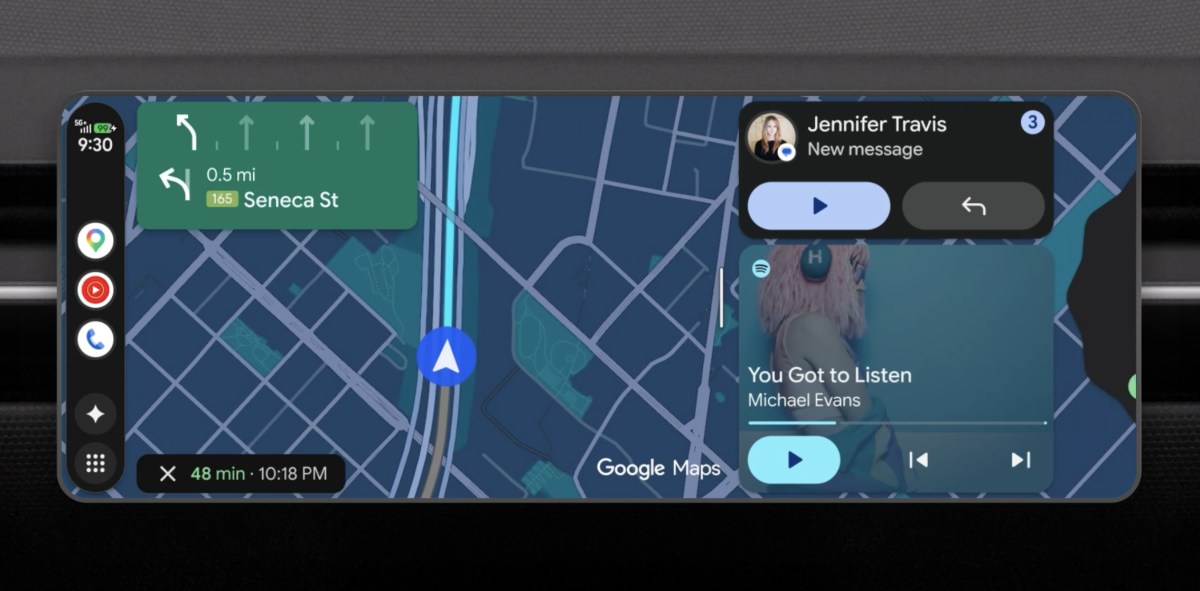
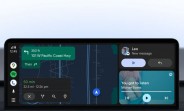
Customization plays a large role in this new update. Drivers can now pin interactive widgets directly over Google Maps - we no longer have to close a navigation application just to open a smart garage door. Users can add up to two rows of widgets depending on the physical size of their vehicle screen. These shortcuts allow instant access to favorite contacts, local weather updates, and daily calendar events. The active navigation route remains clearly visible in the background at all times. Drivers retrieve the information they need without ever losing their map view.
Navigation itself got a substantial visual upgrade. Google Maps sits at the core of the Android Auto experience, and the developers completely rebuilt the three-dimensional viewing mode. The software giant calls this Immersive Navigation. The screen displays highly detailed buildings, concrete overpasses, and local terrain shapes. It also highlights critical road elements in real time. Drivers will see clear digital indicators for exact driving lanes, traffic lights, and physical stop signs. This extra graphic detail helps motorists make tricky turns or navigate complicated highway merges with much more confidence.
Modern vehicle cabins often feature very comfortable seats and premium sound systems. Electric cars also require drivers to wait in parking lots during battery charging sessions. Google views this downtime as a perfect opportunity for entertainment. The fresh update allows a car screen to play high-definition videos straight from a connected smartphone. Later this year, supported vehicles will stream YouTube videos in full HD at a crisp 60 frames per second. Of course, strict safety restrictions apply, and the operating system only plays video content while the vehicle is safely parked.
Google programmed a smart transition for when a driver finally puts the car in gear. If a person starts driving while a video plays, the system does not abruptly shut down the media application. The video image instantly disappears from the screen, but the audio continues playing in the background without interruption. This specific feature works perfectly for listening to video podcasts on the highway. Audio quality also gets a major boost with new Dolby Atmos integration.
Many vehicle brands plan to roll out these audio and video updates later this year. Drivers of a Ford, Genesis, Hyundai, Kia, Mahindra, Mercedes-Benz, Renault, Skoda, Tata, or Volvo should expect these features soon. Media applications like Spotify and YouTube Music will also get visual upgrades to match the new dashboard aesthetic.
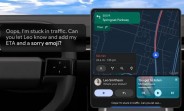
Google embedded its Gemini Intelligence system deeply into Android Auto to handle complex, multi-step requests. The AI understands the context and anticipates what a driver needs before they even ask. If someone sends a text message asking for the address of a meeting spot, the Magic Cue searches recent emails and calendar events, finds the correct address, and offers to send a reply with a single tap. A driver can also tell the AI to place their usual take-out order while they navigate traffic and have it delivered home in time for their arrival.
Vehicles with Google software built directly into their native hardware receive even smarter AI features. The intelligent system can read vehicle specifications to answer practical questions. For example, if a vehicle owner wants to transport a large television, they can ask the AI if the box fits inside the car. The software knows the exact trunk dimensions of that specific car.
If we ever needed any confirmation, this deep hardware integration proves that smart software now completely defines the modern driving experience. There is no going back to driving without an AI telling us all the latest news while answering our emails. The younger generation of drivers probably cannot imagine what it was like to drive cars without screens and satnav.

Reader comments
- Anonymous
- AfM
One of the saddest opening lines for an automobile article: "Software directs the modern automotive industry. Today, electric cars and traditional vehicles operate as rolling computers, and the dashboard screen serves as the main command cent...

From the team behind
GSMArena.com
Facebook
Twitter
Instagram
RSS
Settings
Log in I forgot my password Sign up