Hyundai rethinks touchscreens - buttons making a comeback
The automotive industry has seen a dramatic shift towards touchscreens in recent years, with many manufacturers ditching physical buttons in favor of sleek, minimalist interiors. Hyundai is bucking this trend and bringing back buttons in its upcoming electric vehicles.
Hyundai's venture into all-touchscreen interiors was inspired by Tesla's success with its large, immersive multimedia displays. No doubt, big screens have a "wow" factor, but they can also be distracting for drivers. Studies have shown that drivers interacting with touchscreens take their eyes off the road for significantly longer periods, increasing the risk of accidents.
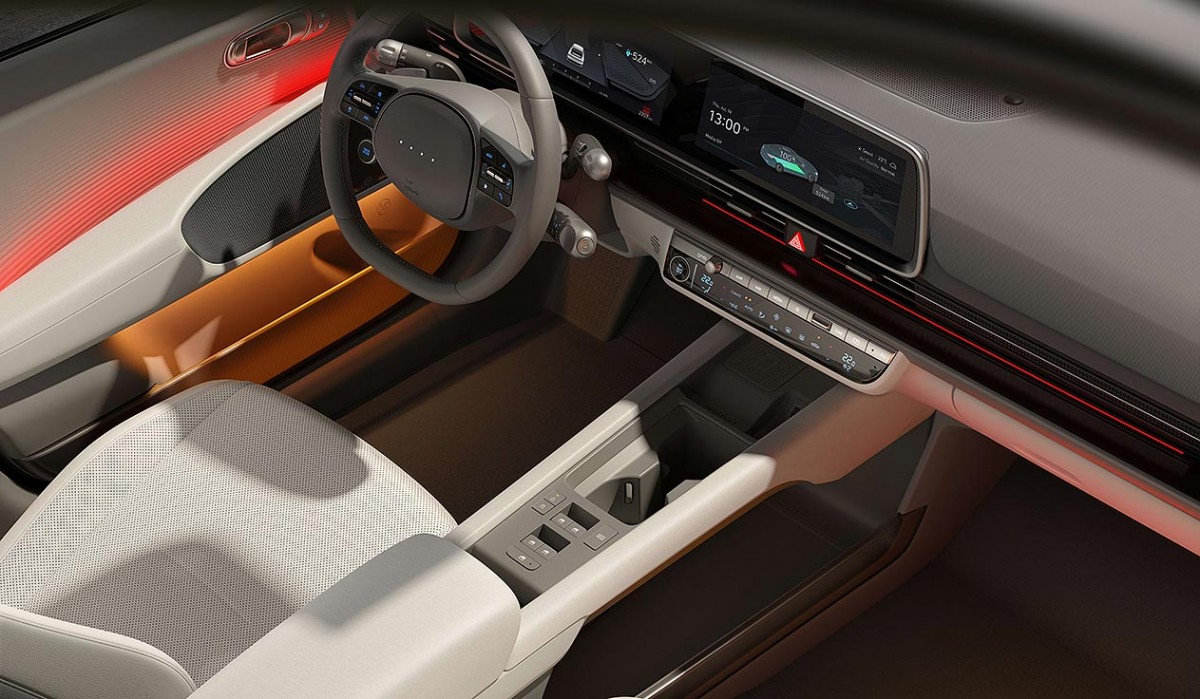
Hyundai has decided to reverse its course and reintroduce physical buttons for essential functions like climate control and audio volume. Tactile controls for frequently used functions mean drivers can make adjustments without taking their eyes off the road, hopefully leading to a safer and more intuitive driving experience.
While touchscreens can be visually appealing, they can also be frustrating to use, especially while driving. Tasks that are supposed to be simple, like adjusting the temperature or changing the radio station, can quickly become complicated on a touchscreen. Physical buttons offer an immediate response, and for that reason are easier and safer to use.
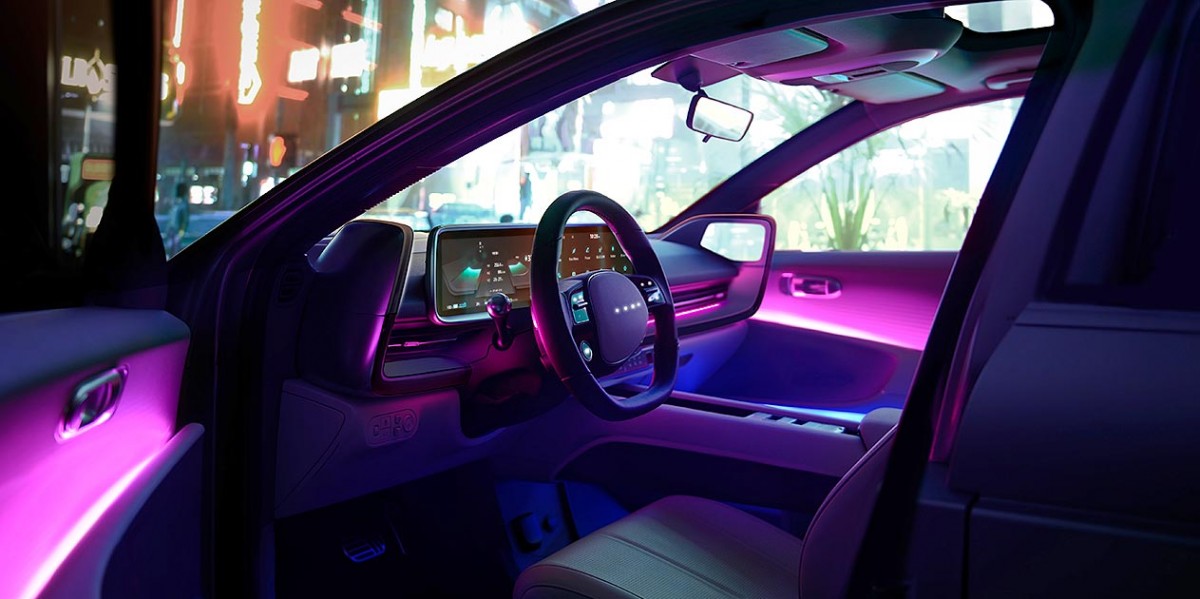
Hyundai's decision to bring back buttons is a refreshing change in an industry that is increasingly obsessed with screens. As other manufacturers continue to stuff their cars with all-touchscreen interiors, Hyundai's move should encourage them to reconsider their approach. Finding a balance between technology and practicality is the answer.
While touchscreens offer many benefits, they are not the best solution for all functions. Automakers can create a much better driving experience by combining touchscreens with physical buttons. Ultimately, the goal should be to seamlessly integrate technology in a way that enhances the driving experience rather than detracts from it.

Reader comments
- chavv
- p7L
voice control? I still remember an old joke, when experimenting with voice commands on windows many years ago "Format C slash f slash u" The technology for 100% correct voice commands is simply not here yet
- Anonymous
- rK8
Physical buttons can also be frustrating to locate and hence, distracting while driving. Which is why voice controls are better. Buttons also add to the initial cost and repair cost. Physical buttons are more preferred by existing drivers of cars wit...
- Anonymous
- mTy
The reason why all touch interfaces were pushed is simply that they are cheaper to make. Less safe, because they require the driver to take attention away from the road for longer, but the manufacturer takes the profits and the rest of us pay the cos...

From the team behind
GSMArena.com
Facebook
Twitter
Instagram
RSS
Settings
Log in I forgot my password Sign up