New Suzuki Ignis brings Kei car pragmatism to Europe
When I saw a Honda Super-N for the very first time, I assumed we had reached the absolute floor for acceptable European EV dimensions. Suzuki clearly disagreed. The Ignis nameplate is returning to European roads in summer 2027, but it has abandoned its chunky petrol roots. It's now a fully electric city car designed for buyers who want cheap, honest transport without the excessive bloat of modern crossovers.
This new Ignis is essentially an international adaptation of the Suzuki e-Sky, a Japanese domestic market Kei car. Honda used the exact same playbook for their Super-N. The Kei regulations enforce a strict length limit of 133.9 inches, which simply won't fly in Europe, where drivers expect a bit more crumple zone and cabin space. So Suzuki gave the car a modest stretch.
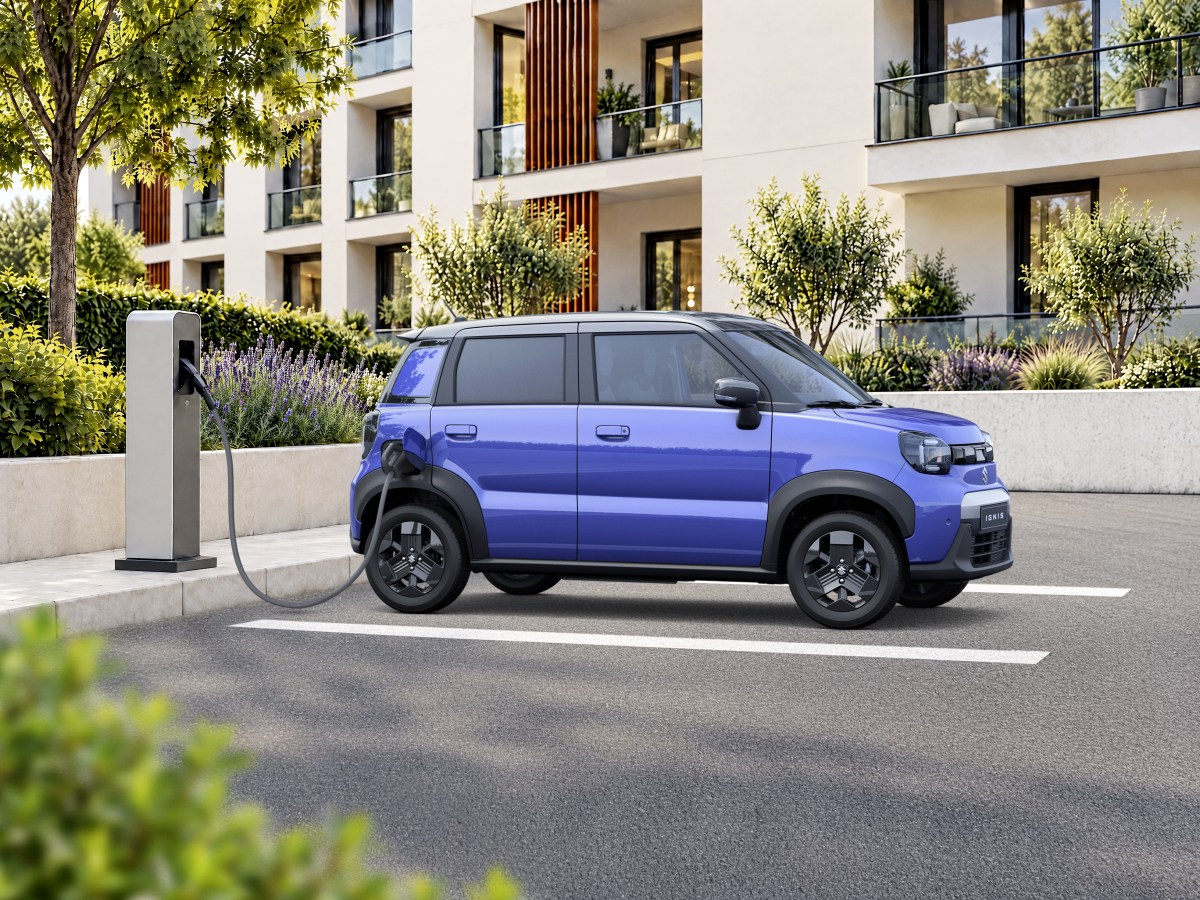
Toshihiro Suzuki said the Latin name for fire was chosen to ignite new energy in compact EVs. Many car buyers just want something that fits in a supermarket parking bay. The average European parking space hasn't grown since the 1970s, but we've spent the last decade buying wider and longer cars, making every trip to the shops an exercise in panel-beating anxiety.
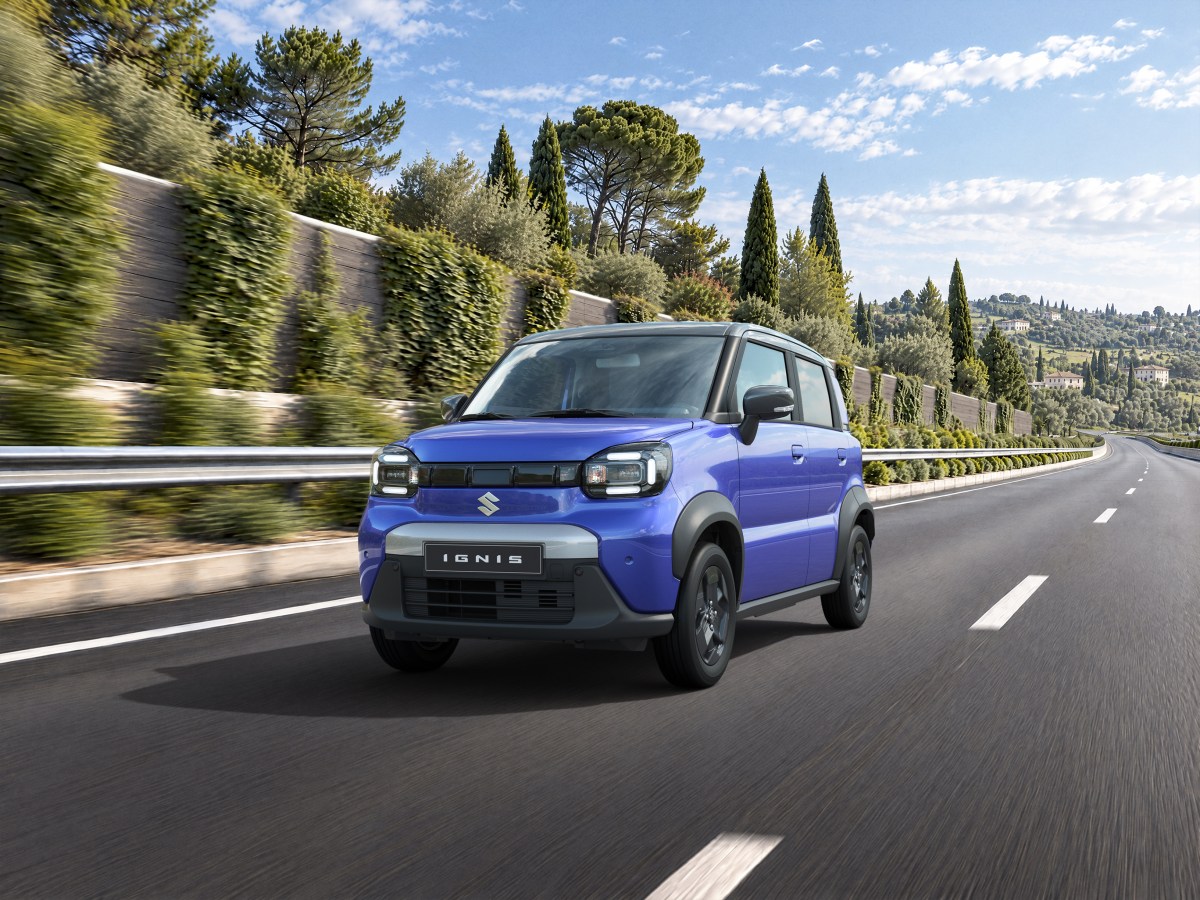
The European Ignis is 140.6 inches long, 61.6 inches wide, and 64.4 inches tall, resting on a wheelbase of 96.9 inches. That means it grew by 6.9 inches in length and 3.54 inches in width compared to its Japanese sibling. It's remarkably small, and it weighs only 2,381 lb. That specific number matters because the Dacia Spring Mk2 bulked up to over 2,672 lb. The Ignis will hit the market as the lightest full-sized electric vehicle you can buy, undercutting the Honda Super-N by 37 lb.
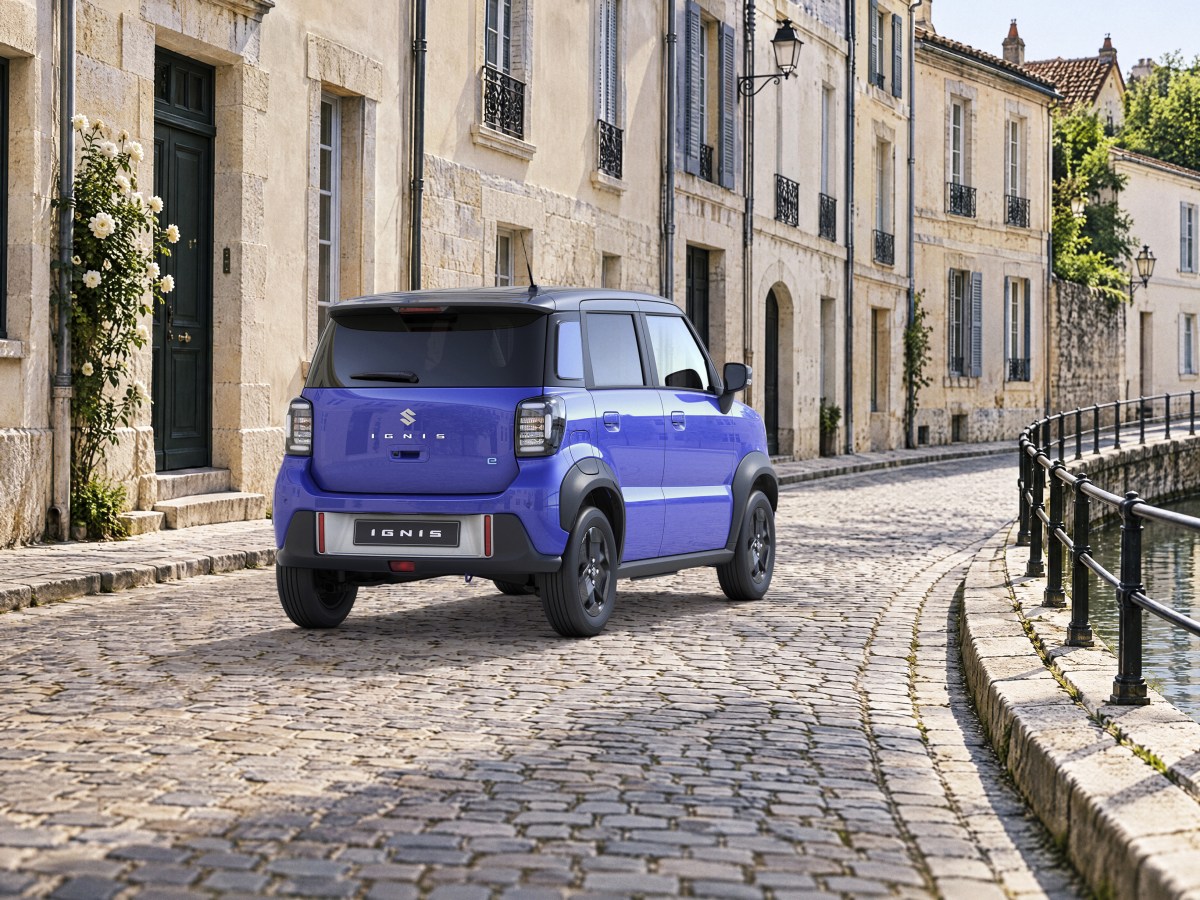
Visually, the design goes hard into a utilitarian aesthetic. You get rugged, unpainted plastic elements running around the wheel arches and along the lower sills. It looks slightly defensive. It has square-shaped segmented LED daytime running lamps and a blanked-out black grille. I suspect the Honda still holds the crown for outright retro charm, but the Suzuki has a boxy stance that works well on crowded streets.
The Honda Super-N is the primary target here, measuring a slightly longer 141.7 inches. But Honda commands a steep $26,086 for their offering. Renault is selling the new Twingo at an aggressive $20,249. Suzuki has kept their pricing quiet for now, but they have zero margin for error. If they price this alongside the Honda, they'll struggle to move units. If they can match or undercut the Twingo's price, they have a serious shot.
The new Ignis gets a 26kWh lithium iron phosphate battery feeding a single front-mounted electric motor. The output is rated at 91hp alongside 98 lb-ft of torque. Nobody is buying this car to win traffic light drag races, but context is everything. The rival Renault Twingo has only 80bhp while carrying around 331 lb of extra mass.
The Ignis is so exceptionally light that 91hp will actually feel quite sprightly when you punch the throttle at low speeds. It won't snap your neck, but it only needs to dart into a roundabout gap before the oncoming delivery van closes the door. For inner-city driving, instant electric torque combined with a featherweight chassis delivers more real-world joy than a two-tonne performance SUV with four times the horsepower.
Suzuki hasn't published an official European range yet, which always makes me skeptical. The Japanese e-Sky claims 193 miles on the WLTC cycle, translating to about 193 miles, but we can entirely dismiss that number because the WLTC testing protocol is much gentler than the European WLTP standard. I expect the real-world WLTP combined figure to land remarkably close to the Honda Super-N's 128 miles.
When it comes to recharging, the hardware is modest but adequate. AC home charging tops out at 7.4 kW. If you plug into a DC rapid charger, the car maxes out at 50kW. That sounds slow compared to premium models pulling 250kW, but you have to remember the battery size. Filling a 26kWh pack from 10% to 80% at 50kW will take less than 30 minutes.

The old combustion Ignis earned a loyal following because it was hilariously easy to park. The engineers kept that trait intact. This new EV has a turning circle of just 29.5 ft. You can pull off a U-turn in spaces that would require a sweaty three-point turn in a conventional hatchback. It makes perfect sense for narrow European city centers where space is at a premium. Try squeezing a modern electric crossover through the medieval streets of Florence or a terraced street in Yorkshire, and you'll understand the appeal of a 29.5 ft turning circle.
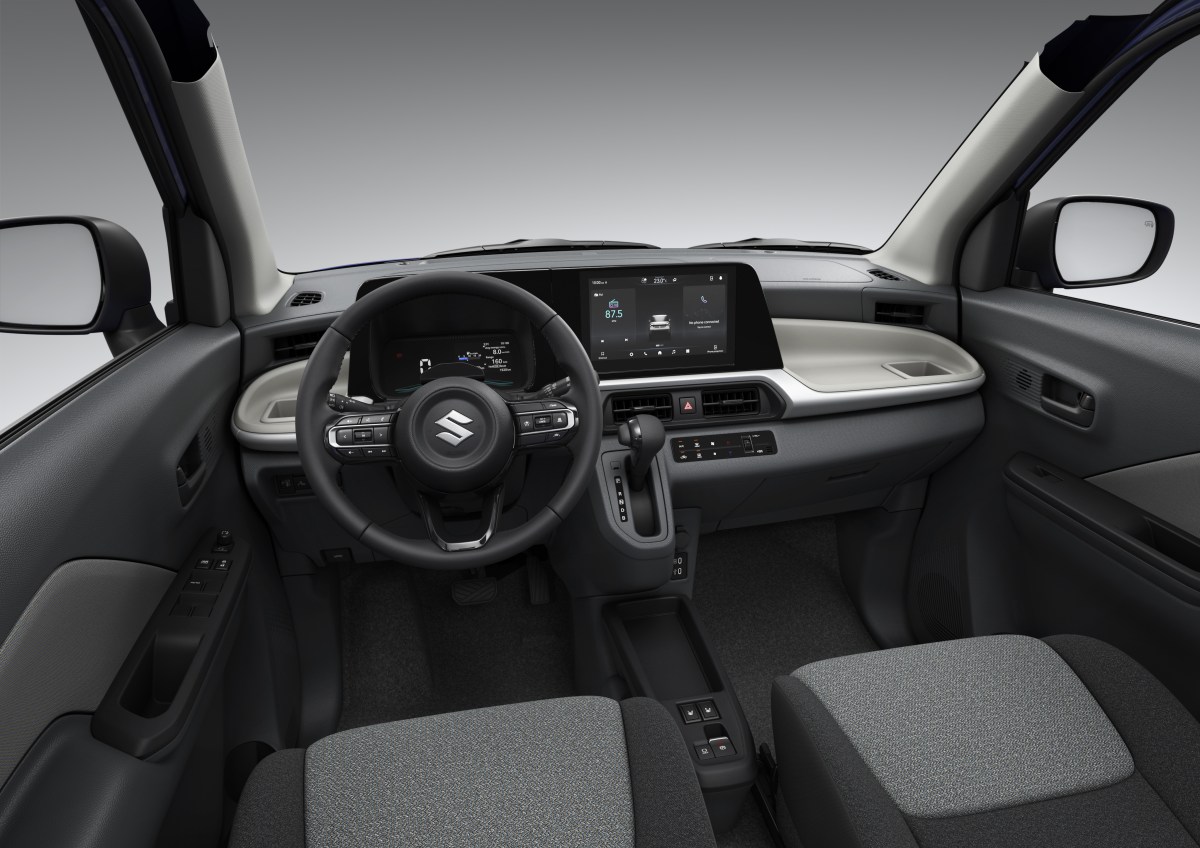
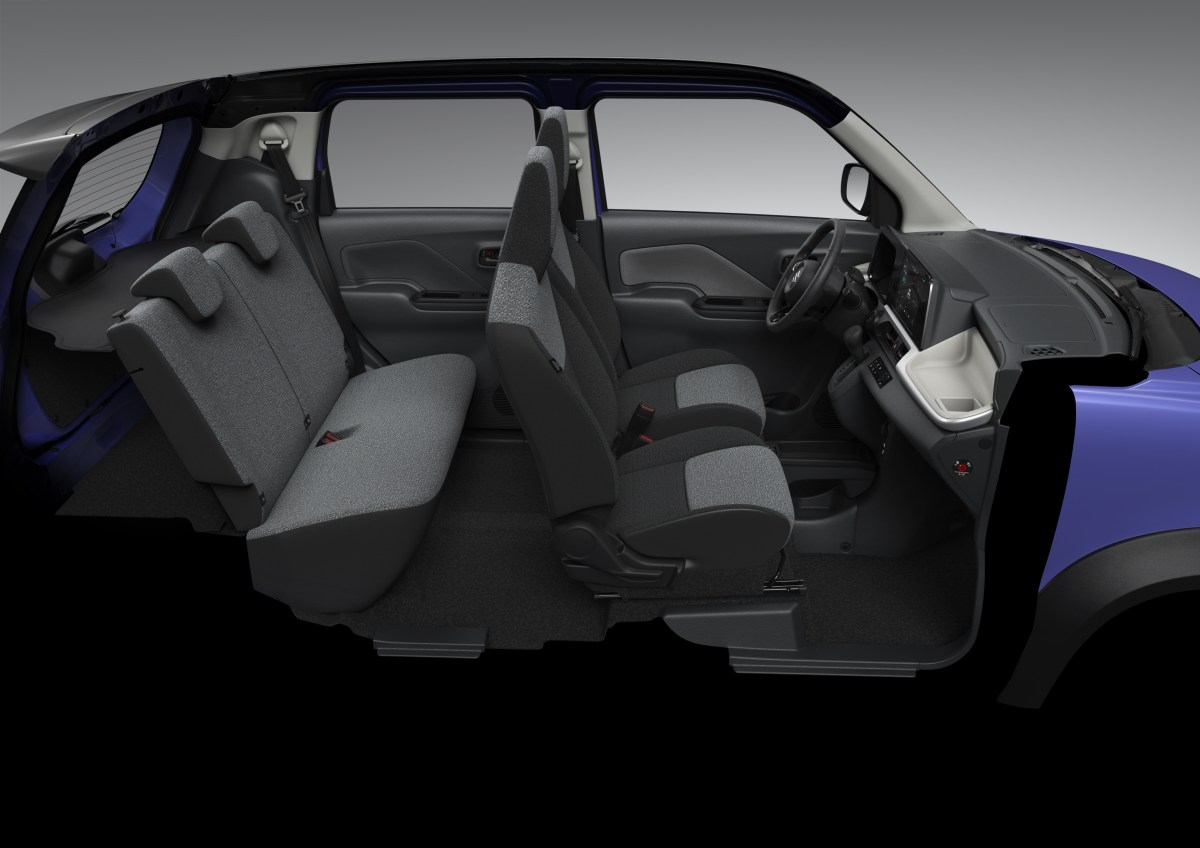
Inside the cabin, Suzuki resisted the urge to reinvent the steering wheel. The dashboard is simple - you find cup holders, slim touch-enabled climate controls, and a scroller for the volume. The drive selector is mounted high on the dashboard to free up space between the seats. Four adults will be comfortable enough, provided the journey is short, and the occupants aren't built like rugby forwards. It feels like a space built for durability rather than digital theatre. There aren't any massive touchscreens trying to emulate a cinema experience - it's just a car.
It's easy to underestimate Suzuki in the modern EV transition, but that would be a mistake. They've been mastering the art of budget-focused, A-segment vehicles since they launched the Suzulight in 1955. Over 90 million units later, they know exactly what budget buyers tolerate and what they reject.
Western automakers spend billions trying to engineer cheap EVs from scratch, but Suzuki effectively pulled an existing product from its own domestic catalog, widened the track, and put it on a boat. Sales officially kick off across Europe in the summer of 2027. The engineering is sound, the weight figure is genuinely impressive, and the dimensions are perfectly suited for modern urban gridlock. If the bean counters in Hamamatsu can deliver this below fifteen thousand pounds, the Twingo will have a very serious fight on its hands.



From the team behind
GSMArena.com
Facebook
Twitter
Instagram
RSS
Settings
Log in I forgot my password Sign up