2026 XPeng P7+ interior, design and features review
Introduction
When the XPeng P7+ arrived on the scene, it was - and still is - a huge moment. Just like Tesla, XPeng believes that the future of driving assistance might not require expensive extra sensors. Long viewed as a fierce rival to Tesla, XPeng launched the P7+ as a family-focused electric liftback that resets its approach, delivering a pure vision-based self-driving system, all at a surprisingly accessible price point.
Although the P7+ debuted a few months ago, we only just had an opportunity to take a closer look at this very interesting EV. Is it really a true Tesla contender? Or is it so popular because of its low price
A new approach to assisted driving
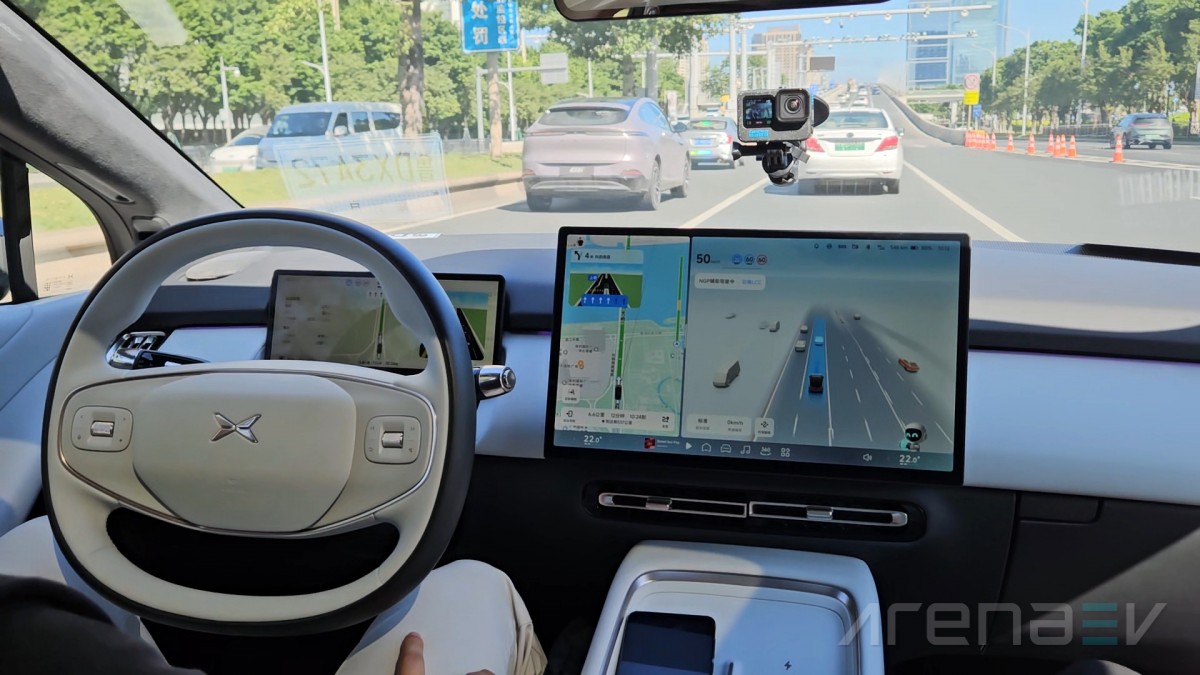
XPeng has always prided itself on its driver-assistance features, often using LiDAR - a complex laser sensor - on its high-end models for a system called XNGP (Navigation Guided Pilot). The XPeng P7+, however, abandons LiDAR completely. It relies instead on twelve external cameras, twelve ultrasonic sensors, and three mmWave radar units.
This strategy mirrors Tesla's vision-only approach, which XPeng now backs with its in-house AI system. XPeng's engineers believe that since road signs and traffic patterns are designed for human eyes, cameras offer the most natural way for an AI to perceive the world.
The powerful brains behind the system consist of two Nvidia Orin X chips, which together provide 508 TOPS of computing power. This advanced setup allows the P7+ to offer its top-level assisted driving features as standard on both available versions. That's very unlike older XPeng EVs, which limited it to pricier trims.
Independent and factory testing of the system, even in complex city traffic, revealed smoother, more human-like driving compared to earlier generations. XPeng plans to roll out this XNGP system in Europe by the end of 2025 or early in 2026, but for now, the system is not available outside of China yet.
Power, range, and rapid charging
Built on XPeng's modern SEPA 2.0 platform, the P7+ uses an 800V electrical architecture. This platform allows for incredibly quick charging speeds. While the launch models used a 3C charging battery, a newer version unveiled at the Shanghai Auto Show features a 5C battery pack.
This upgrade pushed the P7+ to the forefront of battery tech, allowing it to charge from 10 to 80 percent in a claimed 12 minutes - a lightning-quick refuel for an EV. The company is even deploying its own 800-kW S5 fast chargers to support this technology and speed up the charging even more.
The P7+ comes in two versions, both using a single rear-mounted electric motor and Lithium Iron Phosphate (LFP) batteries. The Long Range Max uses a 60.7 kWh battery coupled with a 180 kW motor and tips the scales at 4,336 lb. It accelerates from 0 to 62 mph in a rather swift 6.8 seconds and returns an impressively low energy consumption of 11.6 kWh/62 miles.
The top-spec Ultra-Long Range Max, which weighs 4,491 lb, gets a larger 76.3 kWh battery and a more potent 230 kW motor. This larger battery gives the P7+ a claimed range of 441 miles on the less strict CLTC test cycle. Even though heavier than the base model, the Ultra-Long Range Max sprints from 0 to 62 mph in a respectable 5.9 seconds.
A comfortable, spacious cabin
Despite its sporty liftback profile and an excellent drag coefficient of 0.206 Cd, XPeng designed the P7+ with family comfort in mind. At 199.1 inches long, 76.3 inches wide, and 59.5 inches high, it is a big vehicle that offers generous interior space. Its large size may be better suited for the US market, but it still finds its home in the European countries where XPeng is already a strong seller, including Germany, Norway, and the Netherlands.
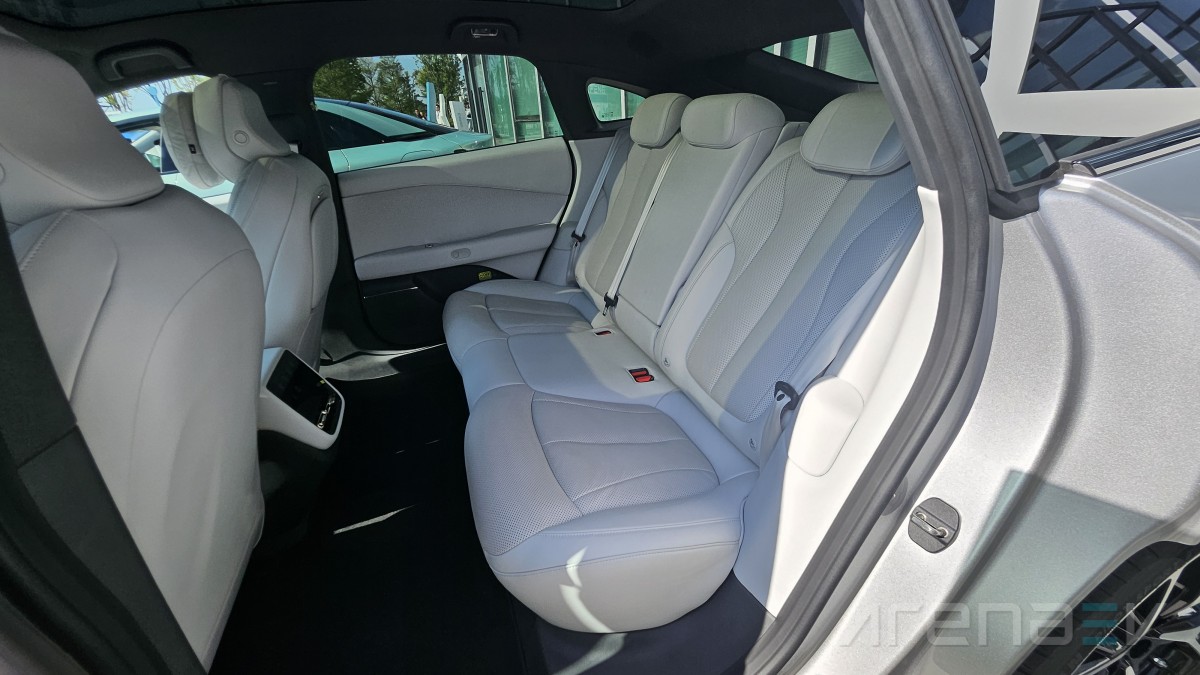
The cabin is a huge surprise. It is well-appointed, moving past the quality issues of early XPeng models. Our test car, with a Chinese price equivalent to about $27,250, had perforated leather seats and soft-touch plastics throughout. The materials were of very high quality, and the fit and finish were spot on, if not perfect.
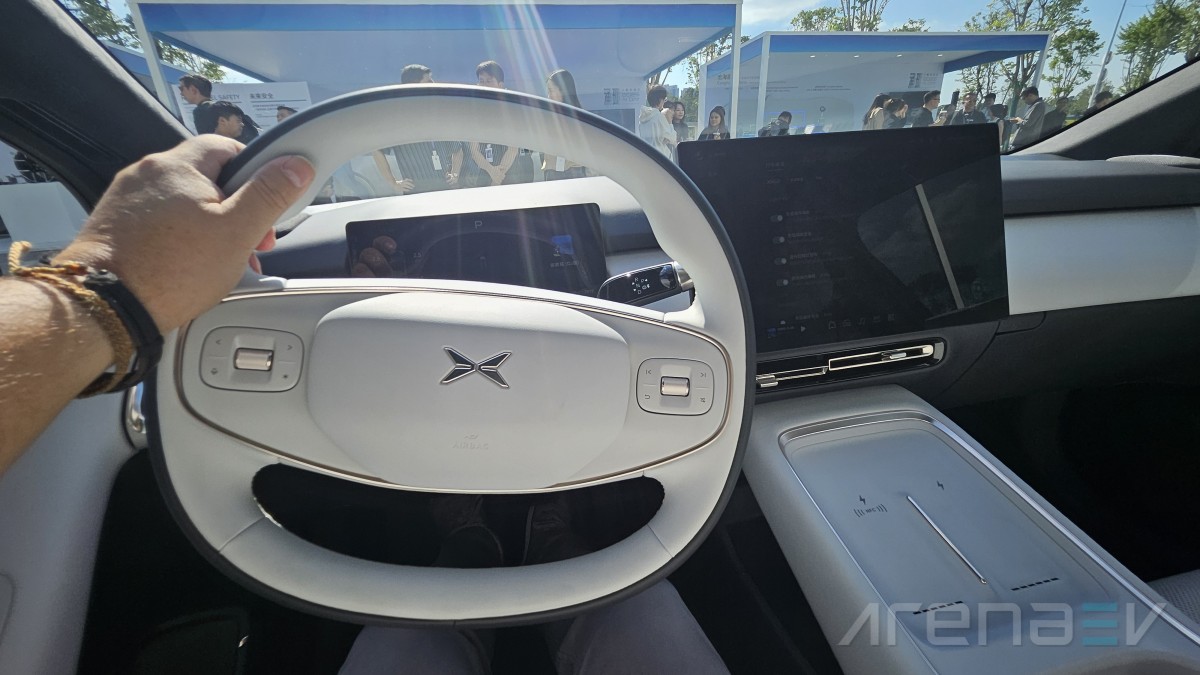
The first impression after jumping into the driver's seat is that of a very high-quality German vehicle, with all the controls exactly where you'd expect to find them. All switchgear is tactile and hefty - there's a reassuring quality in pressing every button, even if there aren't too many of them.
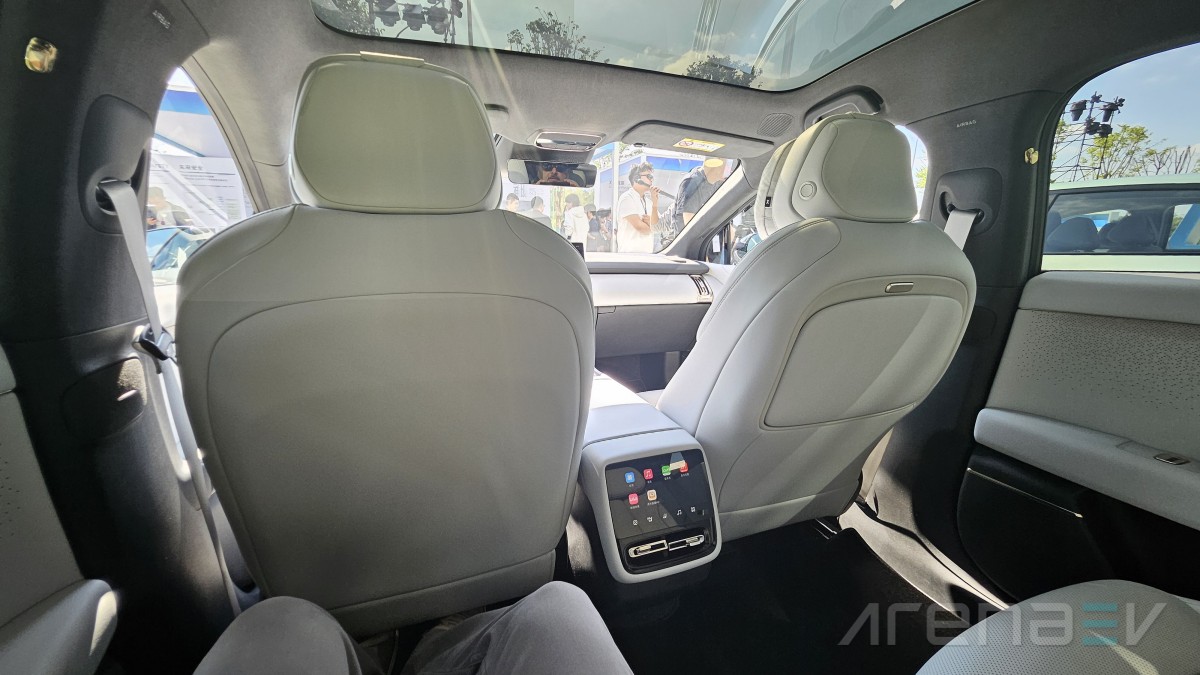
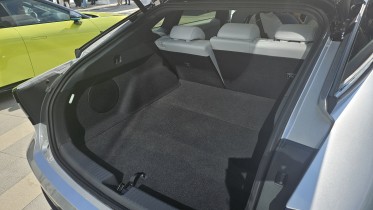
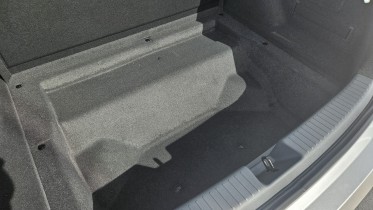
The rear seats offer heating, ventilation, massage, and even electric recline functions, putting the P7+ in luxury territory. The trunk space is vast: 25.6 ft³ with the seats up, expanding to a massive 78.4 ft³ when folded down. This is enough space to hold dozens of suitcases or even act as a 6.9 ft-long double bed. A small downside is the lack of a parcel shelf - a simple item XPeng will need to add before its European launch. There is no front trunk, but an underfloor compartment in the rear provides extra storage.
Technology and style
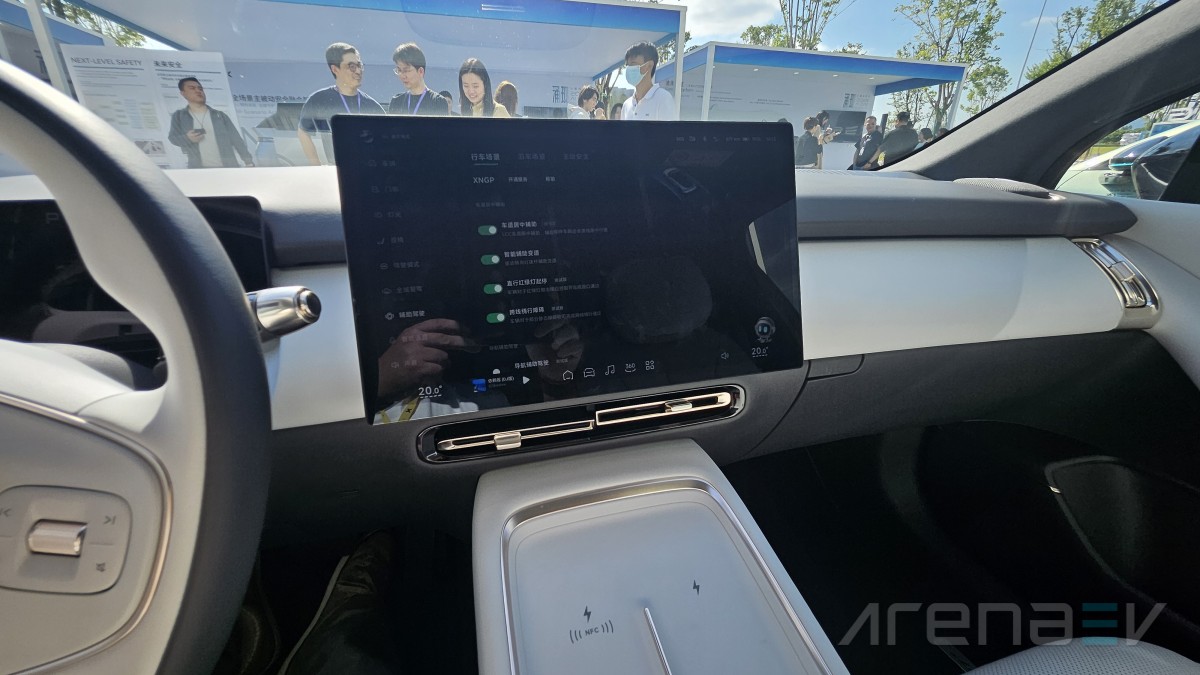
Inside, the P7+ features a tech-forward layout, which includes a 10.25-inch instrument panel and a floating 15.6-inch infotainment screen. An additional 8-inch entertainment screen sits on the back of the center console for rear passengers. Almost all vehicle functions respond to voice commands through XPeng's "Little P" AI assistant.
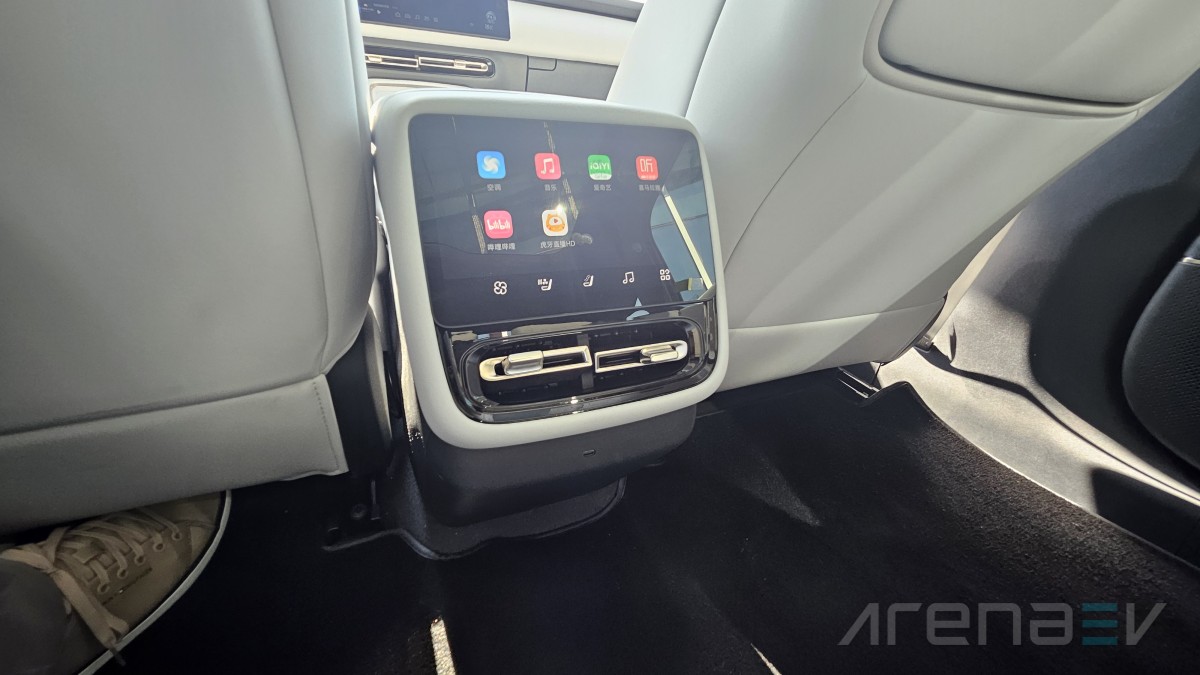
The company even refers to the P7+ as the "first car in the world defined by Artificial Intelligence," a marketing claim that highlights the deep integration of AI into everything from the intelligent cockpit to power management. When using voice to control the car, the AI can recognize who's talking to it and which seat the person sits in, and it can act accordingly.
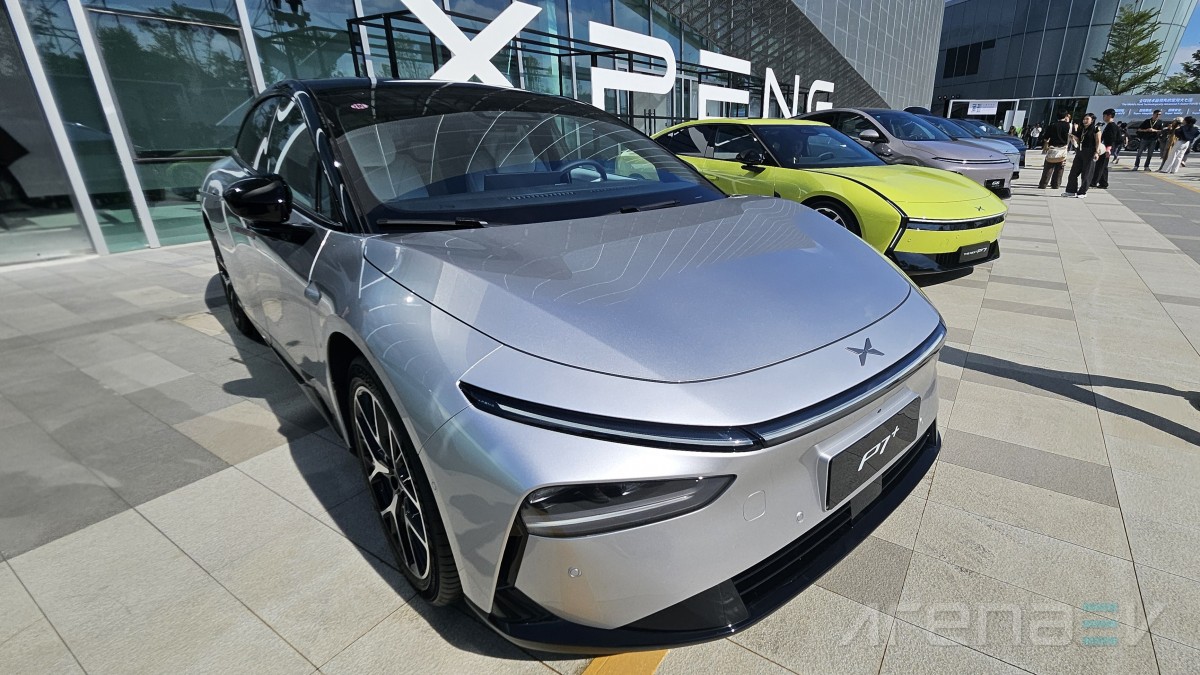
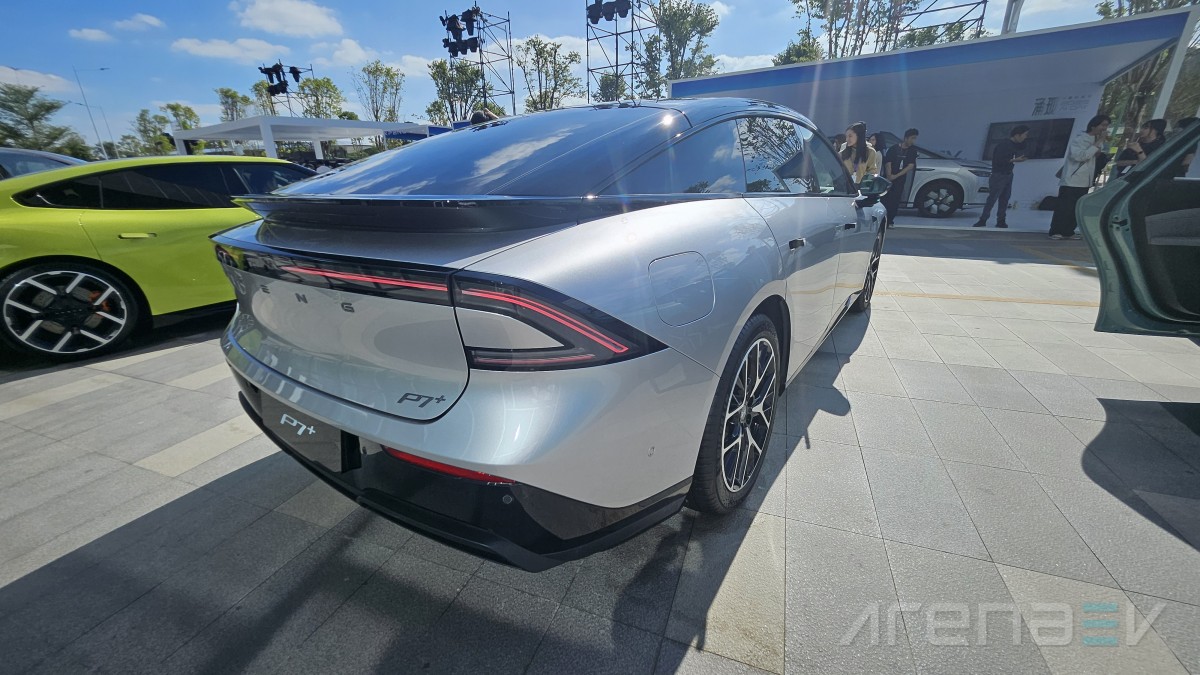
Style-wise, the XPeng P7+ definitely stands out among competitors. While its profile is sleek, the rear section, with prominent wave-like body lines and a "double-end" spoiler, is a conversation starter for sure. The looks may be polarizing, but its distinct appearance certainly sets it apart from the crowd of other electric cars and makes it easier to find it in a busy car park.
Driving experience
This is where we get to see the biggest progress made by XPeng. And it’s not because the older P7 was a bad car in any way - absolutely not. But the P7+ is on almost another level. The car feels composed at all times, the suspension is on the softer side of business, but it never goes into that bouncy mode we got to know from older Chinese vehicles. The overall impression is that of very German engineering - solid response, comfortable, and stable.
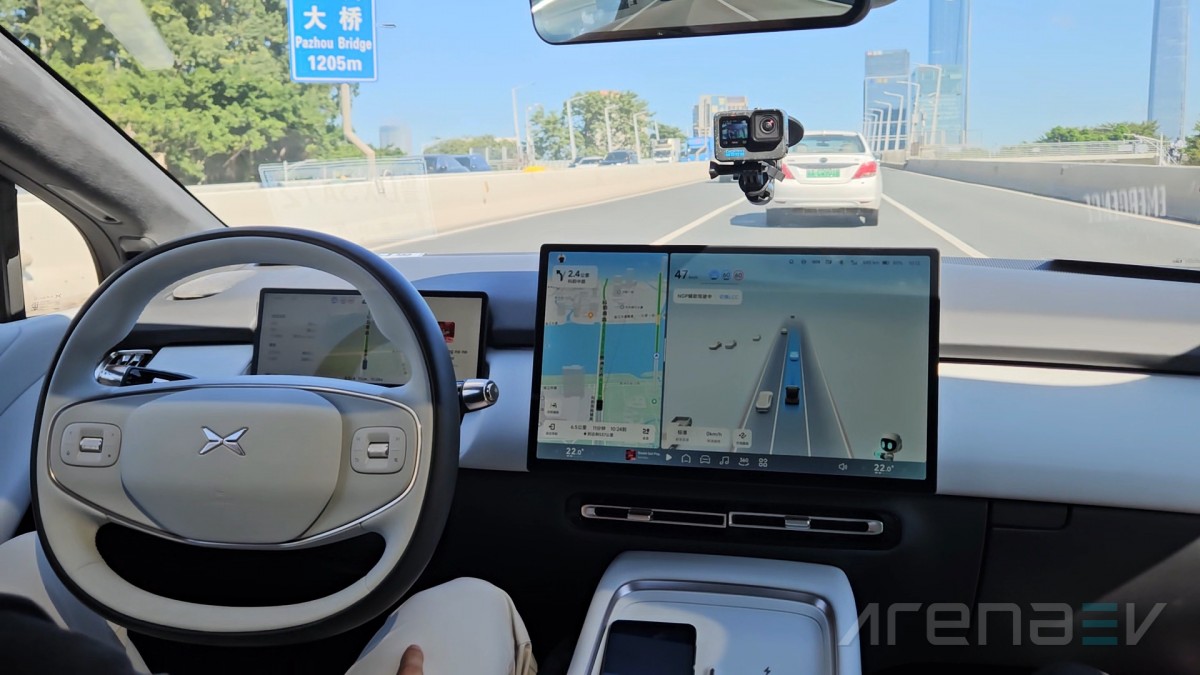
Talking about the response - the 230 kW motor is powerful enough to turn the P7+ into a very fast car. But there’s never a need for it; the way the vehicle is set up forces a more relaxed approach. Relaxed does not mean slow, though. The progress is rapid, the acceleration is smooth and powerful, but never aggressive. XPeng has done a lot of work here, making sure the car works well for the entire family - throttle-happy dads, and juniors riding in the second row.
What is really unsettling is the utter silence. We managed to take our test P7+ onto a highway for a quick run and were surprised by a total absence of wind noise up to 75 mph. The tire noise is never in focus; it is more of a subtle background low-level hum. You can easily have a quiet conversation with passengers in the front or back, at whatever speed. Apart from the tech and comfort, this has to be the car’s most impressive feature.
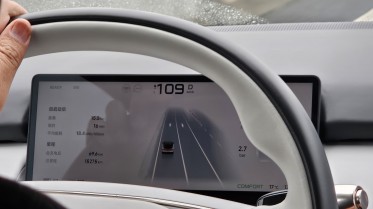
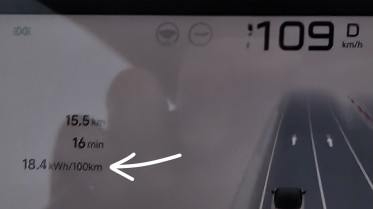
Can the lack of noise be dangerous? For anyone jumping into the P7+ straight from an old-school combustion vehicle - yes, it can be tricky. You have to constantly pay attention to the speed, and you will be surprised every time when you realize how fast you are going. It takes some time to get used to it, but after a while, any driver should be able to tell the speed without constantly checking the speedo.
An EV ready for the global stage
The XPeng P7+ is so much more than just another family car from China. It is XPeng's declaration of confidence. After launching in China, the EV went on a showstopping tour across Europe and visited events like the Paris Auto Show, Milan Design Week, and the Frankfurt Auto Show, making a case for itself in some of the most demanding automotive markets in the world.
There is no doubt that the European prices will be higher due to tariffs, and judging by the P7 starting price of $58,100 in Germany, we are looking at a sub-$70,000 ticket once the P7+ lands on the Old Continent.
XPeng is acutely aware of the pricing issue and has signed a manufacturing agreement with Magna in Austria to build its cars in the heart of Europe. It'll be a while before we see the first EU-made units of the P7+, but the good news is that this impressive EV is coming. Is it worth waiting for? If the price is kept around $47,000, it will have no competition, with similar EVs offering far less, and costing way more.

From the team behind
GSMArena.com
Facebook
Twitter
Instagram
RSS
Settings
Log in I forgot my password Sign up