Ford pulls the plug on the F-150 Lightning and goes into grid battery business
Ford is officially scrapping the all-electric F-150 Lightning, abruptly ending production of a vehicle that was once hailed as revolutionary. The company will instead focus on profit and move away from big, pure EVs, with hybrids and cheaper electric models taking over. Ford's financial reports show exactly why this is happening: its EV division (called Model e) lost $1.4 billion in the third quarter alone, contributing to a total loss of $3.6 billion through September.
The next chapter for the popular truck is not a fully electric one. Ford announced the future F-150 Lightning will become an Extended Range Electric Vehicle (EREV). It will pair its electric motors with a gasoline engine to charge the battery when needed. This approach promises the best of both worlds: plenty of range and yet 100% electric power delivery to the wheels and the same silly acceleration to 60 mph in less than five seconds.
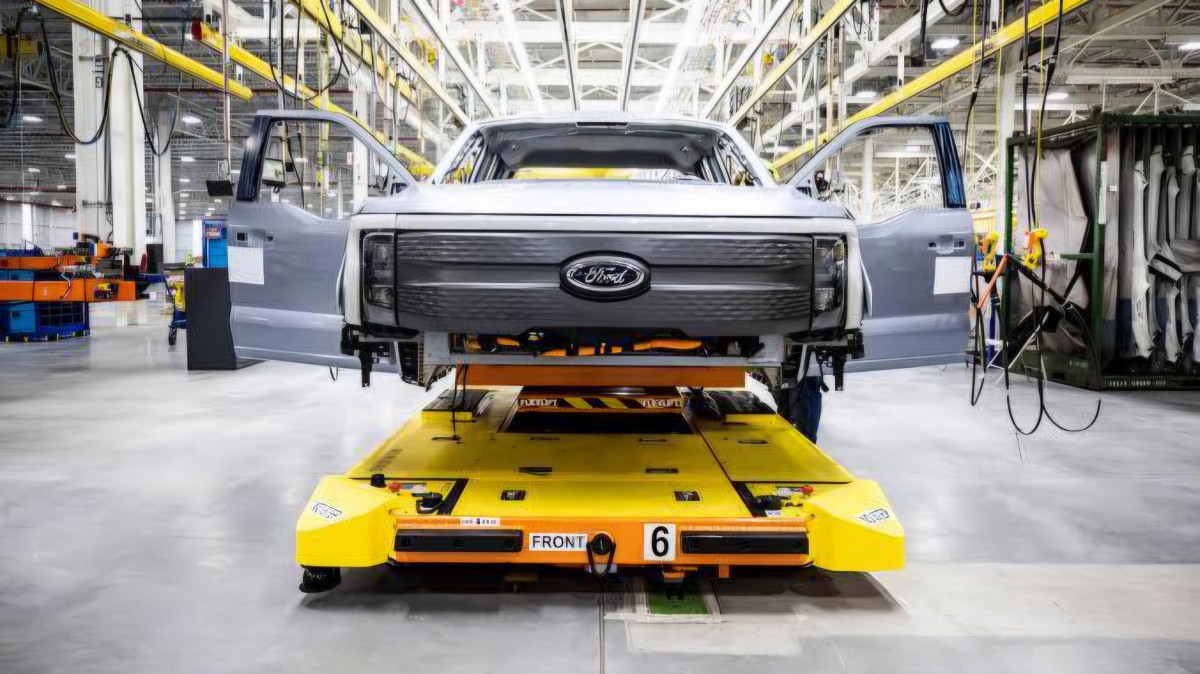
Doug Field, Ford's chief of EV and design, claims the new EREV version is "every bit as revolutionary" as the original F-150 Lightning. He also promises it "tows like a locomotive." Crucially, this new truck will have a combined driving range of more than 700 miles. Production for the new EREV will happen at the Rouge EV Center in Dearborn, Michigan.
Ford is also shifting its manufacturing focus, doubling down on traditional gas-powered vehicles and hybrids. The company recently sent workers from the Rouge EV Center to its Dearborn Truck Plant, a clear signal that gasoline and hybrid models are taking priority. This strategy aligns with a major corporate goal: Ford expects hybrids, EREVs, and EVs to make up 50% of its global sales volume by 2030, a sharp jump from the 17% projected for 2025.
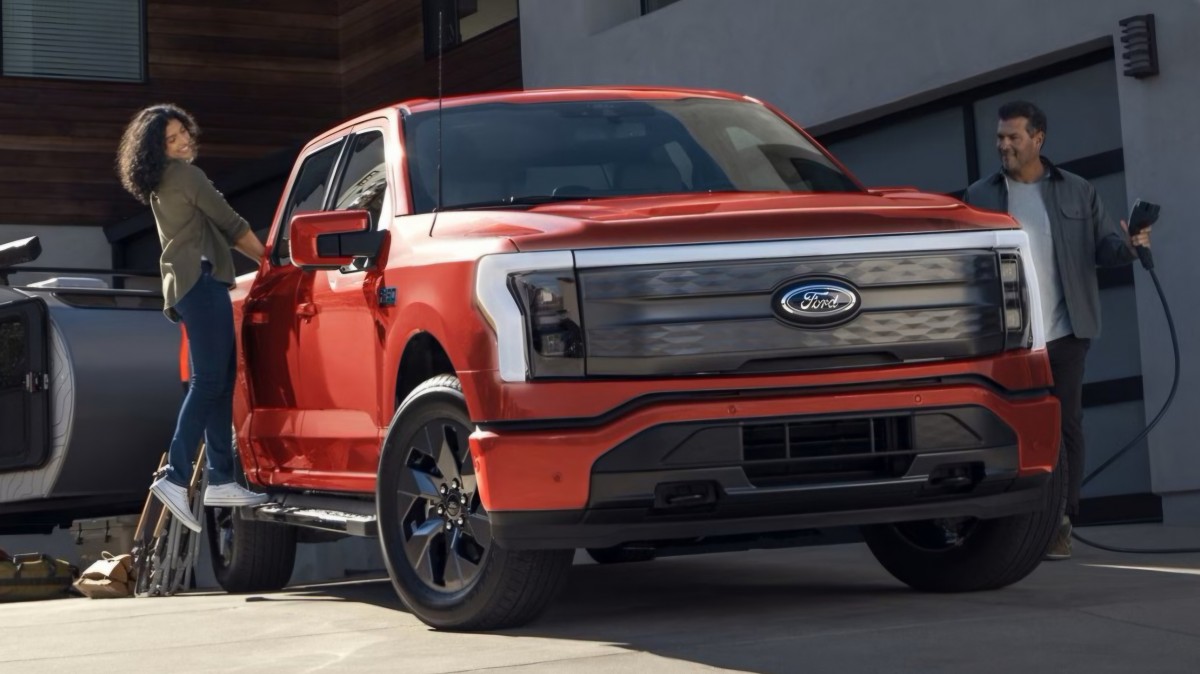
This broader strategy includes plans to offer gas, hybrid, and EREV options across nearly every vehicle in its lineup soon. The company is even replacing its electric commercial van in North America with more affordable gas- and hybrid-powered versions, which will be assembled in Ohio.
While the large F-150 Lightning proved challenging, Ford is still committed to more affordable electric cars. The first vehicle based on the new Universal EV Platform will be a midsize electric pickup, similar in size to the Ranger or Maverick. This new, smaller truck is expected to start at around $30,000, and is intended to compete in a different segment where costs are lower, and demand is potentially higher. Ford is counting on these changes to make the Model e division profitable by 2029, with improvements starting as early as 2026.
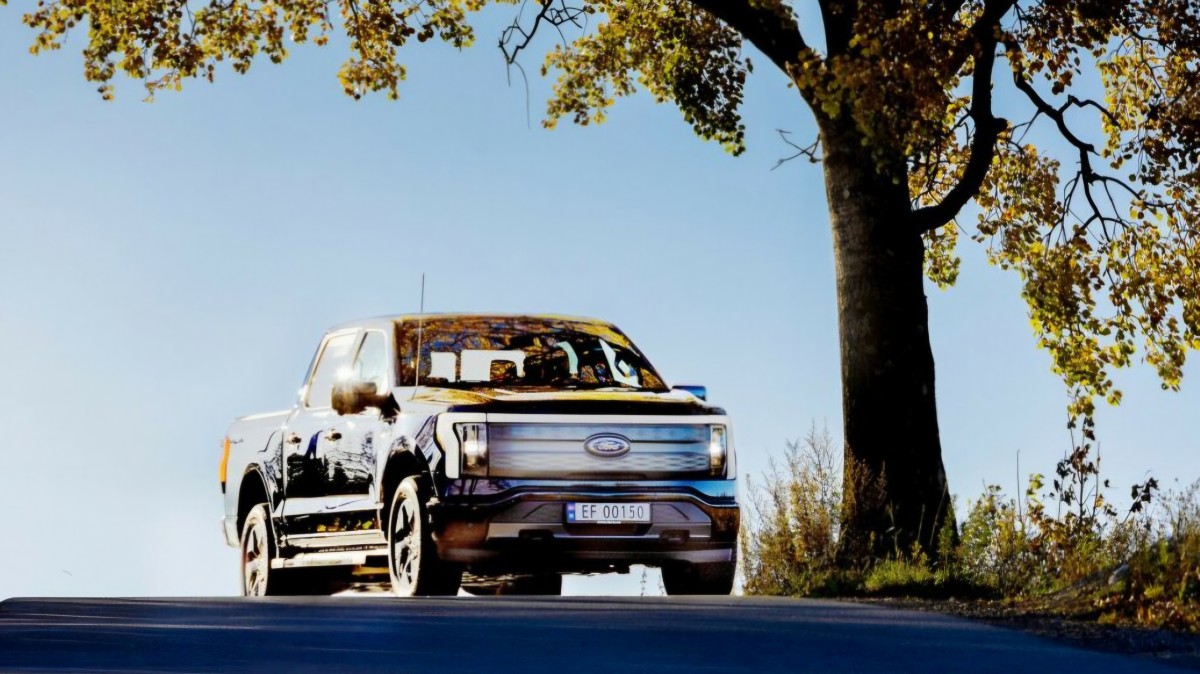
The abrupt shift away from battery-powered EVs means the company has to figure out what to do with the EV battery production capacity it is no longer using. Following the end of a joint venture with SK On for US battery plants, Ford has decided to jump into the booming Battery Energy Storage System (BESS) market, citing demand from power utilities and data centers as a "higher-return growth opportunity." CEO Jim Farley stated the company is redeploying capital toward these profitable ventures.
Ford will invest about $2 billion over the next two years to scale up this new energy business. The plant in Glendale, Kentucky, which once made batteries for the all-electric F-150 Lightning, will convert into a BESS hub. This facility will build large battery systems, more than 5 MWh in size, used in 20-foot shipping containers for large-scale industrial customers.
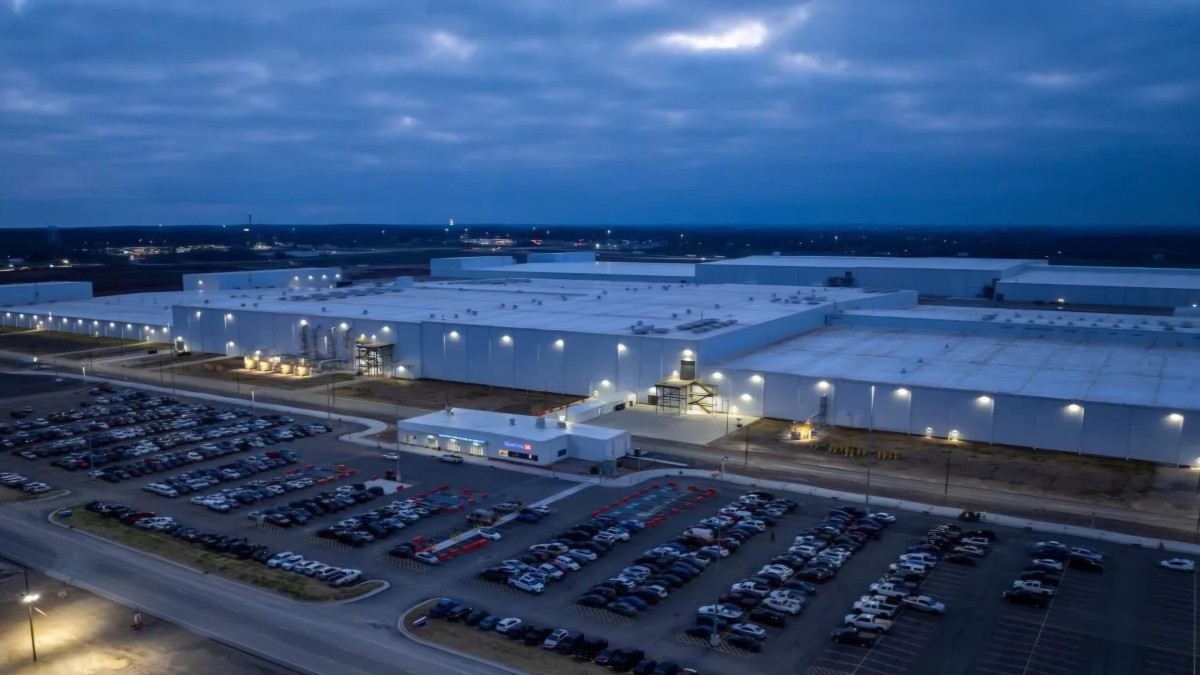
Ford plans for this business to deploy at least 20 GWh of energy storage annually by late 2027. A separate plant in Marshall, Michigan, is already on track to start manufacturing in 2026, producing smaller battery cells intended for residential energy storage systems, and also supplying the upcoming midsize electric pickup.
Ford is being clever about repurposing its massive battery investment to secure future profits outside of the challenging EV market. This is a tough, but financially sound, business decision. Trading large, high-cost electric cars for hybrids, smaller EVs, and a major play in the lucrative grid energy storage market should help the company recover its investments in a relatively short time.


From the team behind
GSMArena.com
Facebook
Twitter
Instagram
RSS
Settings
Log in I forgot my password Sign up