Are solid-state batteries finally coming? 2026 is when Geely will start making them
We all have heard promises about a "super battery" that would change electric cars forever. This technology is called the solid-state battery, and it promises to make EVs safer, charge faster, and drive much farther on a single charge. But for a long time, this felt like a distant dream. It seems the wait is finally ending, and 2026 has all the hallmarks of becoming the turning point where this technology moves from science labs to actual factories.
Unsurprisingly, the biggest news comes from China, where automakers are moving really fast. However, companies in the United States and Europe are also racing to get these advanced power packs onto the road this year.
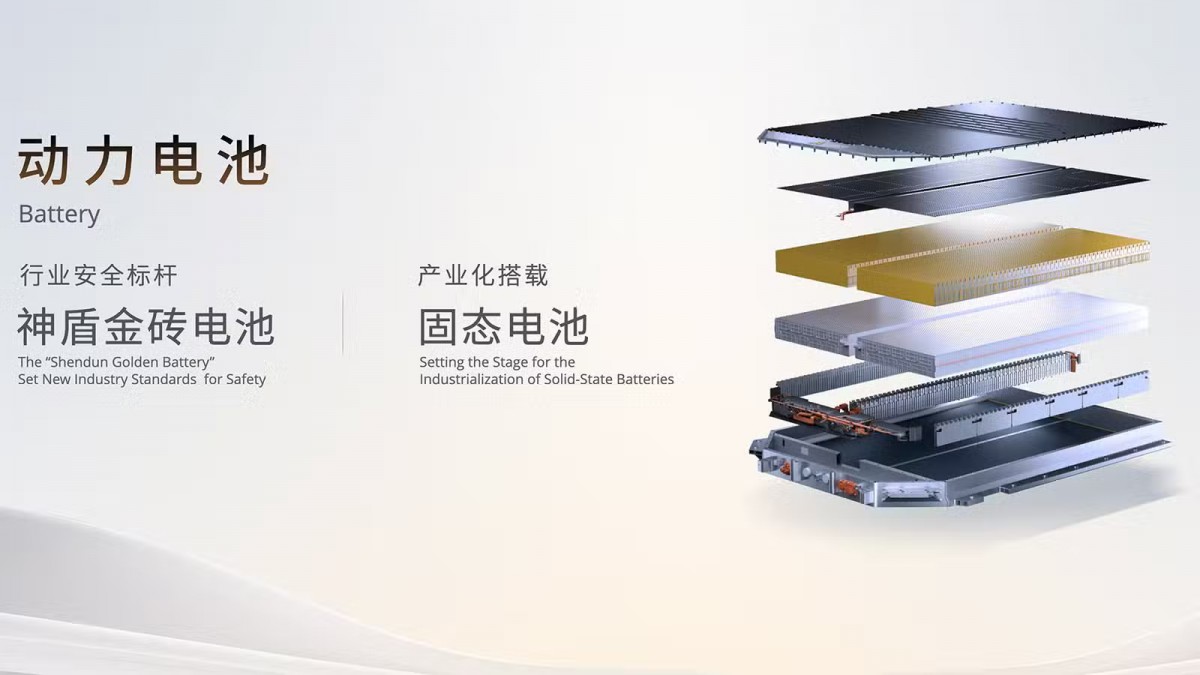 Geely Shendun Golden Battery - source: Geely
Geely Auto is taking a huge step that puts it at the front of the pack. The company confirmed it will finish making its first all-solid-state battery pack in 2026. This isn't just a test in a lab - Geely is actually building the battery packs and will start verifying them inside real vehicles this year. This is undoubtedly a huge moment for the company, which owns brands like Volvo and Polestar.
But Geely is not focusing solely on solid-state technology; the company is also releasing a new type of lithium-manganese-iron-phosphate (LMFP) battery. This improved chemistry can deliver 15% more energy than before, which helps cars drive farther without needing a bigger, heavier battery.
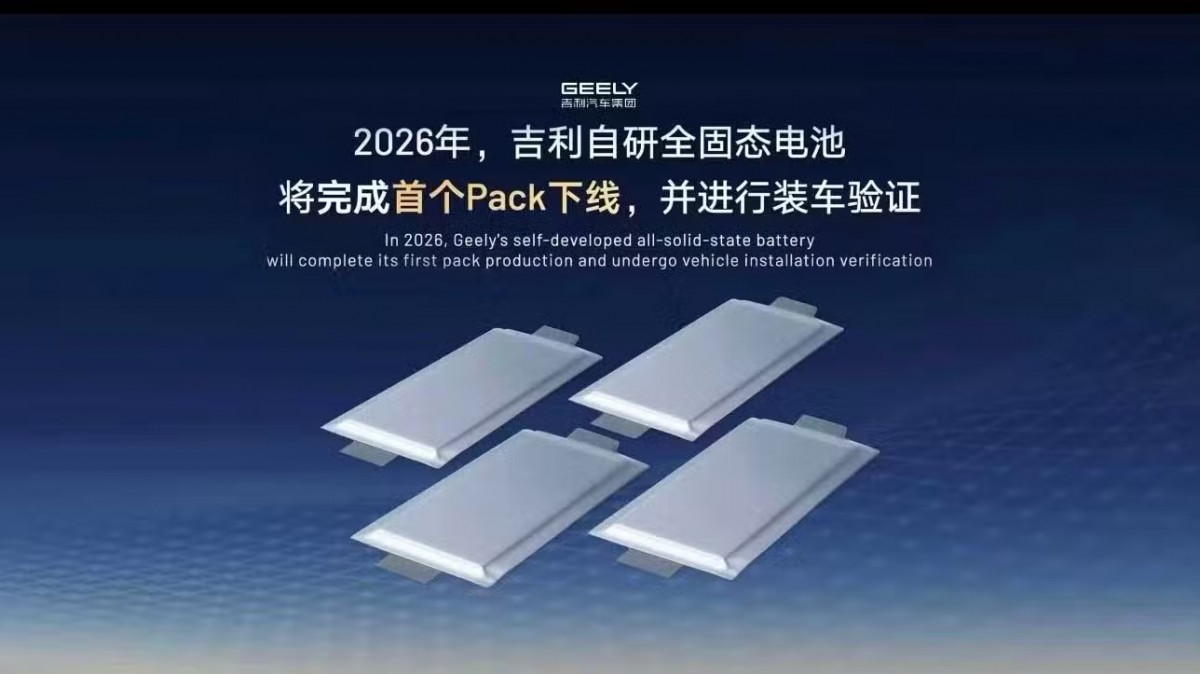 Geely starts production of solid-state batteries in 2026 - source: Geely
Other Chinese companies are also hitting big milestones in 2026. Dongfeng Motor is arguably moving even faster. On January 14, the company started testing a car with a solid-state battery in extremely cold weather. Cold temperatures are usually tough for electric cars, so this is a key test. Dongfeng plans to start mass production by September 2026. Their new battery has a density of 350 Wh/kg - that's high enough to give a car a driving range of 620 miles.
Meanwhile, Svolt Energy is planning to finish its second-generation "semi-solid-state" battery in 2026. This unit will hold even more energy, aiming for 400 Wh/kg. Another big player, FAW Group's Hongqi brand, rolled out a prototype car with solid-state batteries right before the new year, marking its official entry into this high-tech race.
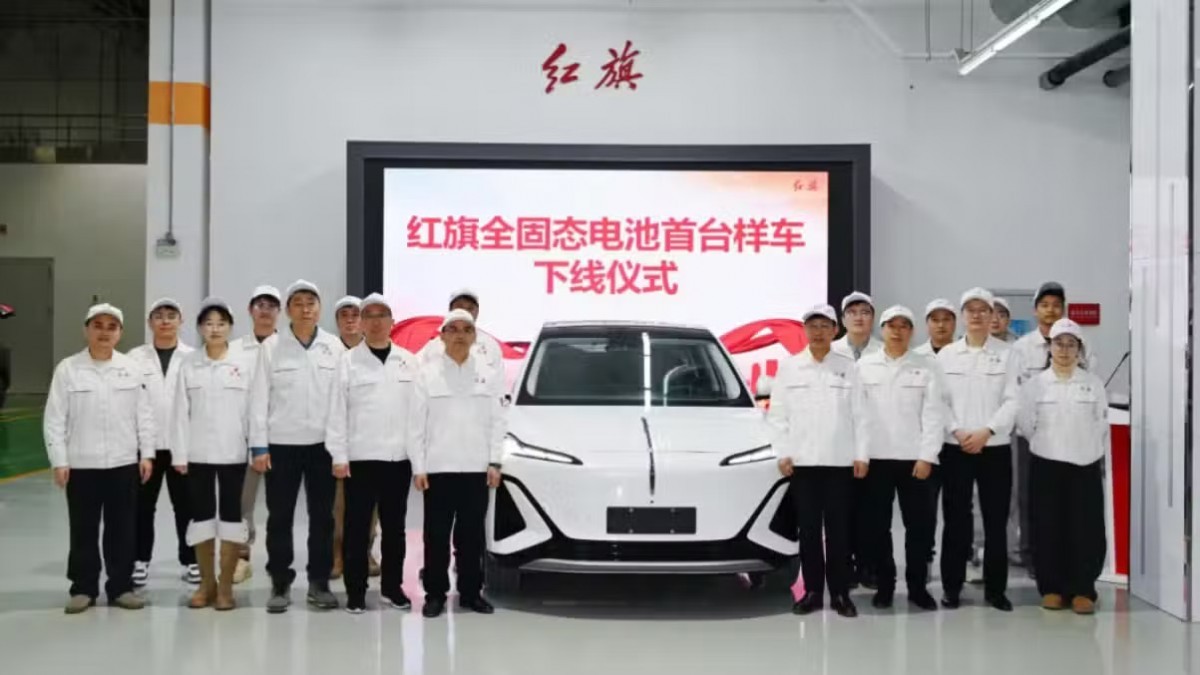 FAW Hongqi Tiangong 06 with solid-state battery - source: FAW Hongqi
The United States is taking a different approach. Instead of just automakers building batteries, specialized American tech companies are partnering with big car brands to get their technology on the road in 2026. Factorial Energy, based in Massachusetts, is a key name to watch. They are working with Stellantis (the parent company of Jeep and Dodge) and Mercedes to put their solid-state batteries into a fleet of test cars this year. This "demonstration fleet" is a final step before these batteries can be sold to the public.
Another major American player is QuantumScape. After years of development, they are set to open their "Eagle Line" pilot production facility this coming February. The factory line is designed to produce solid-state cells for Volkswagen Group. According to the company, mass production is still a year or two away, but the start of automated production in 2026 is a signal that the technology is almost ready for the real world.
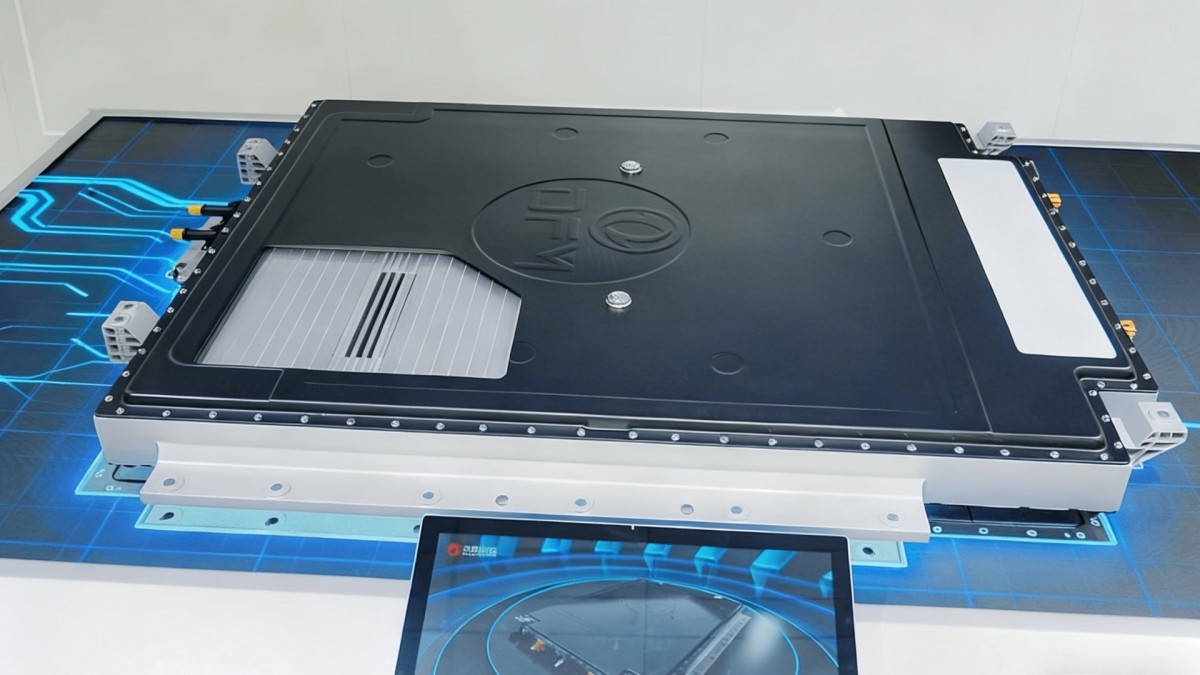 Dongfeng is already testing its solid-state technology - source: Dongfeng
Europe is not staying far behind, focusing on building the factories and supply chains needed for these new batteries. Blue Solutions, a French company, is the industry leader that many people have never heard of. The company is already ahead in some ways because they have produced solid-state batteries for buses for years, with over 373,000,000 miles driven by vehicles with the solid-state batteries.
For 2026, the French company's focus shifts to passenger cars. They are advancing their "Gen 4" battery technology and setting up a pilot line for recycling these unique batteries. This is important because recycling solid-state batteries is different from recycling standard lithium-ion ones.
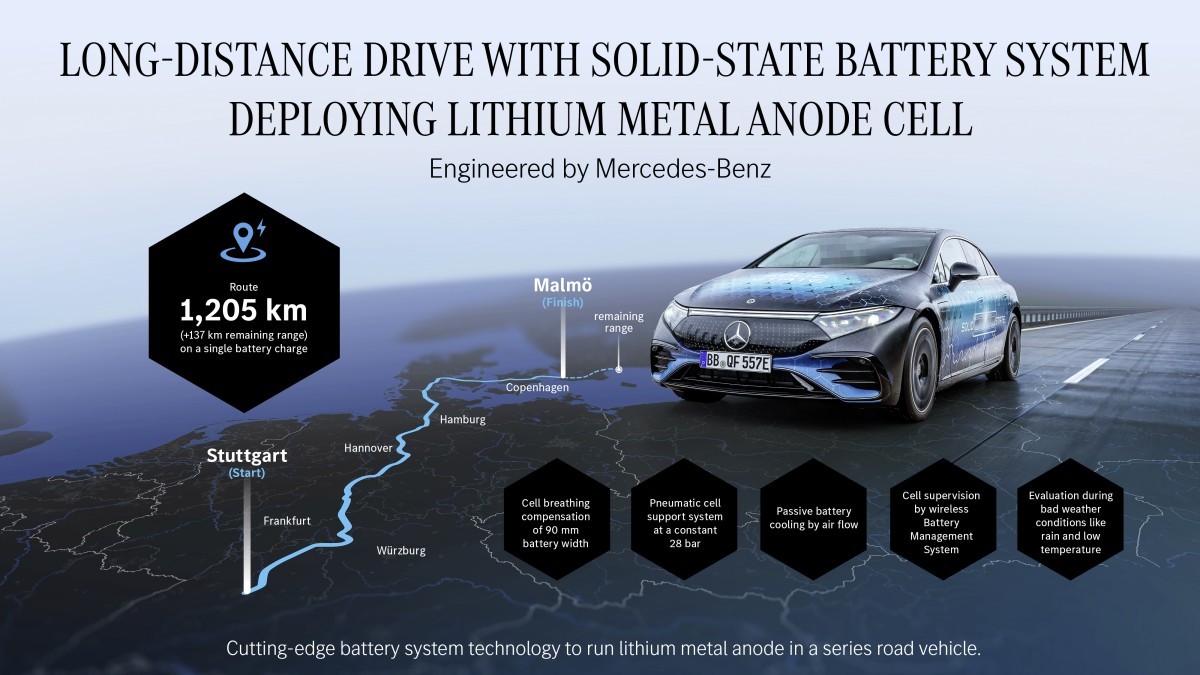 Mercedes is testing solid-state batteries from Factorial Energy - source: Mercedes-Benz
Additionally, the Taiwanese company ProLogium is making Europe its home base for manufacturing. Construction of their massive "gigafactory" in Dunkirk, France, is scheduled to kick off in 2026. The factory won't pump out batteries until 2028, but the groundbreaking this year cements Europe as a future hub for this technology.
Interestingly, the two biggest battery makers in the world are moving slower than the challengers. CATL and BYD prefer a conservative path. They are targeting 2027 for their small-scale vehicle integration. They want to make sure the costs come down before they manufacture millions of these units.
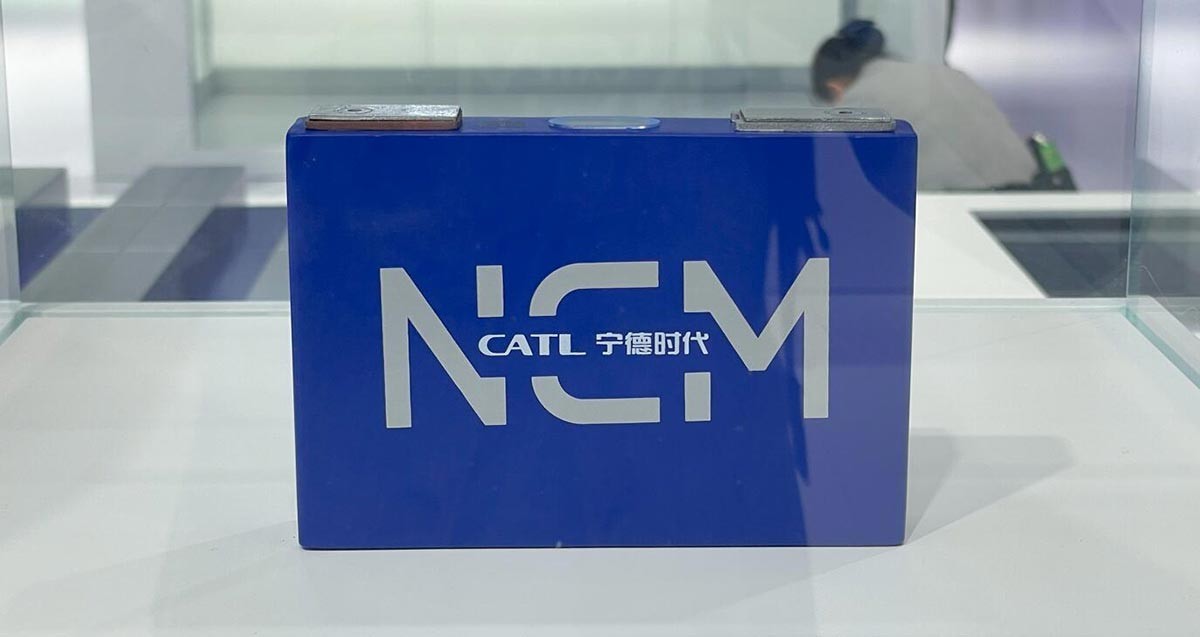 CATL is taking a slower path to solid-state technology - source: CATL
What we see is a truly exciting dynamic for 2026. The smaller, hungrier companies and aggressive automakers like Geely and Dongfeng are pushing hard to be first. The giants are waiting to see what happens. For drivers, this competition is excellent news. It means electric cars are about to get a serious upgrade in range and safety much sooner than many expected.



From the team behind
GSMArena.com
Facebook
Twitter
Instagram
RSS
Settings
Log in I forgot my password Sign up