Battery maker TIES unveils new cells to leapfrog solid-state bottlenecks
The global race to build better batteries for electric cars took a surprising but highly practical turn. Many automotive companies promise that pure solid-state batteries are just around the corner, but the actual market reality is a little bit more complicated. At the 2026 Tianmu Lake New Electrochemical Energy Storage Technology Seminar, a key battery supplier partner for the Chinese EV maker Nio showed the industry a smarter way forward.
The Tianmu Lake Institute of Advanced Energy Storage Technologies, known as TIES, introduced its next-generation battery cells. Together with the state-backed asset vehicle China Green Development Group (CGDG), the institute debuted both 314Ah and 588Ah liquid-solid-state hardware designs.
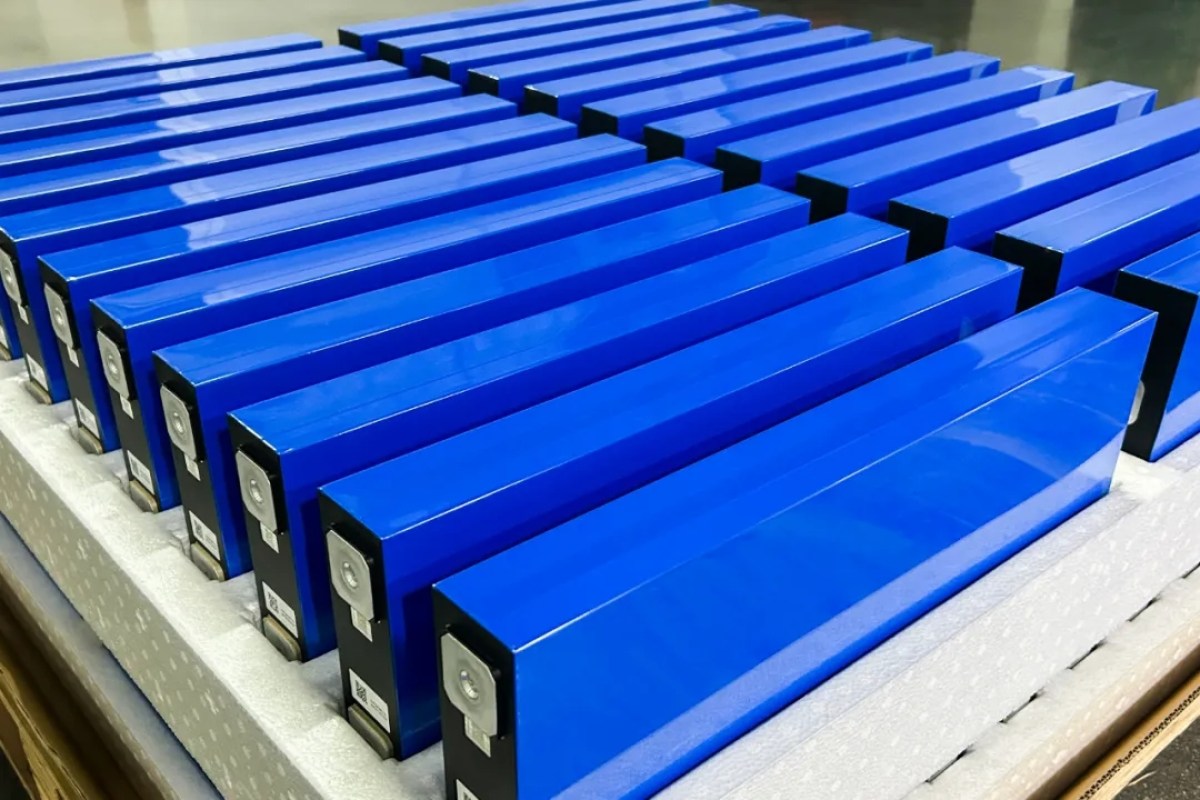
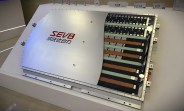
The development carries a lot of weight because of the people behind the engineering. The co-founder of TIES is the same technological mastermind who created the 150 kWh WeLion battery pack, already used in high-capacity packs in Nio electric vehicles today. Instead of waiting for years for factories to completely reinvent how they manufacture batteries, TIES found a middle ground. Their new technology successfully bridges the gap between traditional liquid lithium-ion cells and pure solid-state options.
The chemistry of these large-format battery cells is based on a lithium-iron phosphate and carbon mixture. TIES introduced two specific configurations to the public - the first is a standard utility-grade 314Ah cell. The second is a much larger 588Ah cell, which engineers optimized for long-duration energy systems that require extended discharge times.
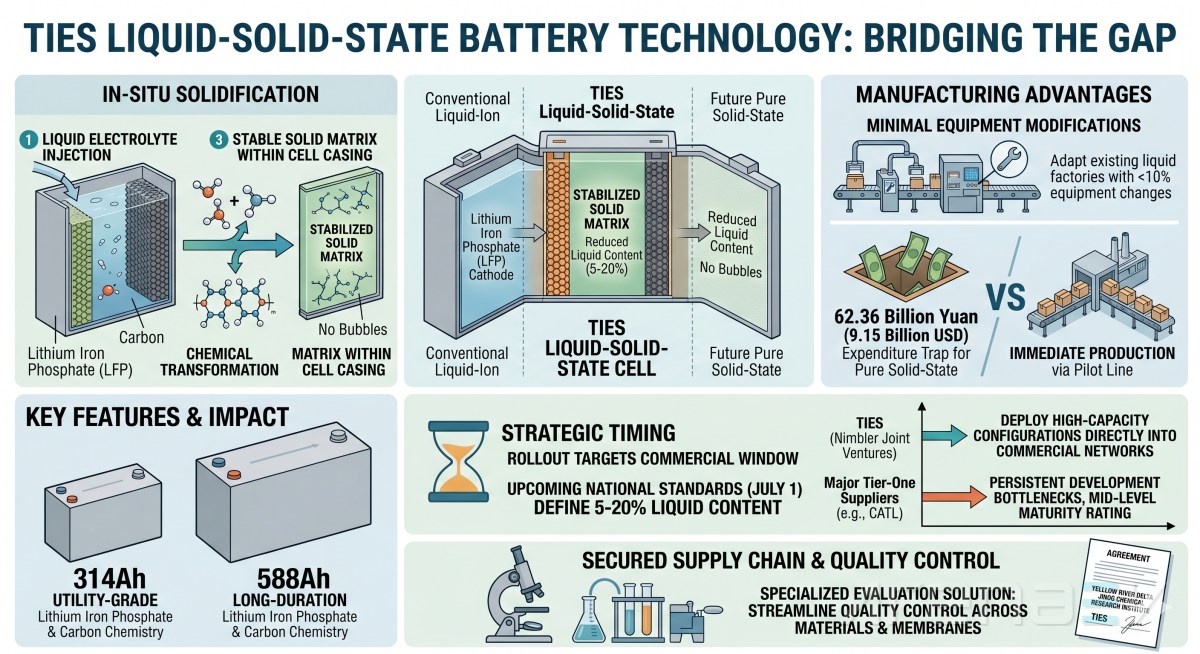
The most interesting part of the announcement is not only the chemistry, but also how those cells will be built. The manufacturing process uses a method called in-situ solidification. This process chemically transforms liquid electrolyte into a stable solid matrix right inside the cell casing. Because of this clever trick, conventional battery factories do not need to tear down their existing production lines. In fact, factory owners only need to make minor equipment modifications (under 10%) to start building these advanced cells.
This simple modification rate allows manufacturers to completely bypass a massive financial obstacle. The automotive world talks about the enormous machinery expenditures required for pure solid-state production. Industry reports estimate that this machinery trap could cost companies up to 62.36 billion RMB, which equals about $9.15 billion. Other battery manufacturers spend massive fortunes trying to buy their way into the future, and TIES is already using its active pilot line to manufacture the new cells.
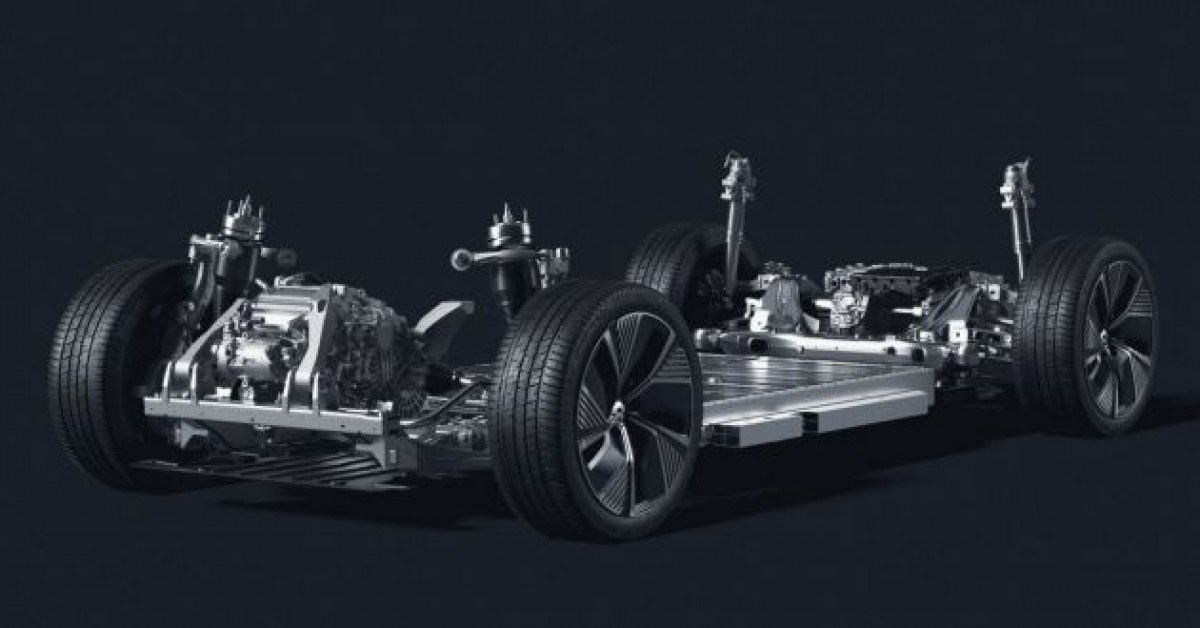 Nio uses 150 kWh semi-solid state battery
Timing is also on their side - new Chinese national standards will take effect on July 1, with strict rules defining any battery cell with 5% to 20% liquid content as a liquid-solid state architecture. Because the TIES cells fit right into the new legal definition, they can enter the market without any regulatory roadblocks. This clever alignment with national policy shows how smaller companies can outmaneuver the battery giants.
This speed gives TIES a clear advantage over traditional tier-one automotive suppliers, who struggle with persistent development bottlenecks. Internal evaluations show that market leader CATL has kept its own pure solid-state battery development fixed at a mid-level maturity rating for some time now. The biggest players in the industry write endless reports and test prototypes in laboratory settings, and nimbler joint ventures are deploying high-capacity configurations straight into commercial networks.
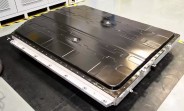
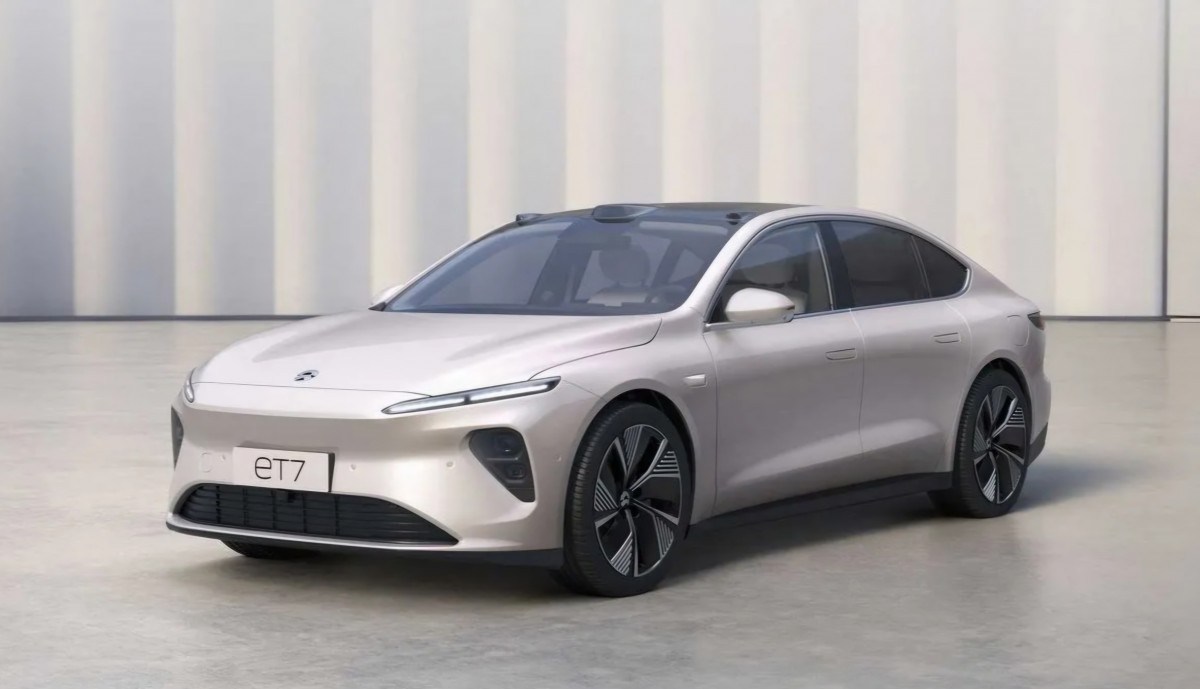 Nio ET7 was the first EV to use semi-solid state battery tech
To make sure the mass production goes smoothly, TIES is also securing its raw energy materials. The institute signed an agreement with the Yellow River Delta Jinbo Chemical Research Institute to secure its supply chain. At the same time, TIES launched a dedicated evaluation solution to streamline quality control across all materials and membranes. This integrated ecosystem allows the team to carefully track downstream output as localized pilot lines scale up cell production.
The new approach shows that the path to better EVs does not always need expensive, revolutionary overhauls. By making smart, incremental changes to existing factory machinery, suppliers can deliver more range and stability today. It turns out that a 10% change in factory equipment can sometimes deliver a 100% advantage in the marketplace.



From the team behind
GSMArena.com
Facebook
Twitter
Instagram
RSS
Settings
Log in I forgot my password Sign up