Xiaomi goes its own way - custom 3nm Xring D100 chip to go live in 2027
We used to measure vehicle supremacy in turbo boost and how violently its quad-exhaust barked on downshifts. Today? That battlefield moved from combustion chambers to cleanrooms, with the real dominance decided in nanometers and memory on tap. Xiaomi - a Chinese tech giant that made billions selling smartphones before engineering an electric saloon - has decided that buying driving processors off-the-shelf won't cut it anymore.
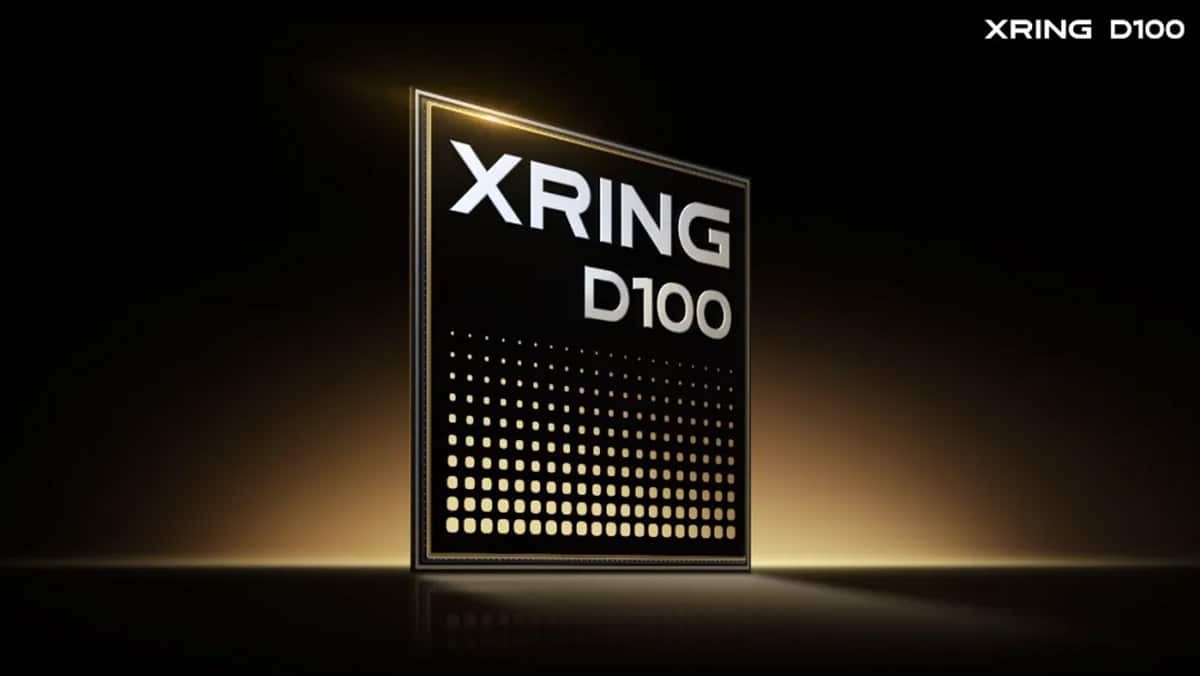
Xring D100 is China's first in-house smart-driving AI chip etched on an ultra-dense 3-nm node, and Xiaomi confirmed that the silicon has cleared full validation with an eye on commercial vehicle deployment in 2027. Under the heat spreader, this little slab of computing muscle packs a serious punch: a 20-core CPU, a 16-core neural processing unit (NPU), and support for up to 160 GB of unified memory. That bespoke architecture is designed to run gargantuan 200-billion-parameter artificial intelligence models locally in the car - no more sluggish cloud reliance when you need instant decisions at motorway speeds.
Electric automakers have taken the easy route, happily writing fat cheques to Nvidia for off-the-shelf Orin and next-generation Thor processors to run their autonomous stacks. But in China's wildly competitive EV landscape, relying on third-party silicon is seen as a tactical bottleneck. Designing in-house silicon allows an automaker to tightly fuse proprietary software with hardware, slashing latency and trimming production costs over the long haul.
The rivalry in this semiconductor arms race is fierce. Nio has already put its custom 5-nm Shenji NX9031 processor into over 300,000 production cars across its Nio and Onvo brands, with each chip pumping out more than 1,000 TOPS of compute. Li Auto is installing its 5-nm Mach M100 - unleashing a massive 1,280 TOPS per chip - across its family-oriented SUV lineup.
XPeng has deployed its Turing architecture into its own cars and shared hardware with Volkswagen. Even BYD recently flexed its silicon muscle with the 4-nm Xuanji A3, which links three processors together to generate over 2,100 TOPS. Xiaomi jumping straight to a 3-nm process is a serious step, even if the company is keeping its exact TOPS output under wraps for now.

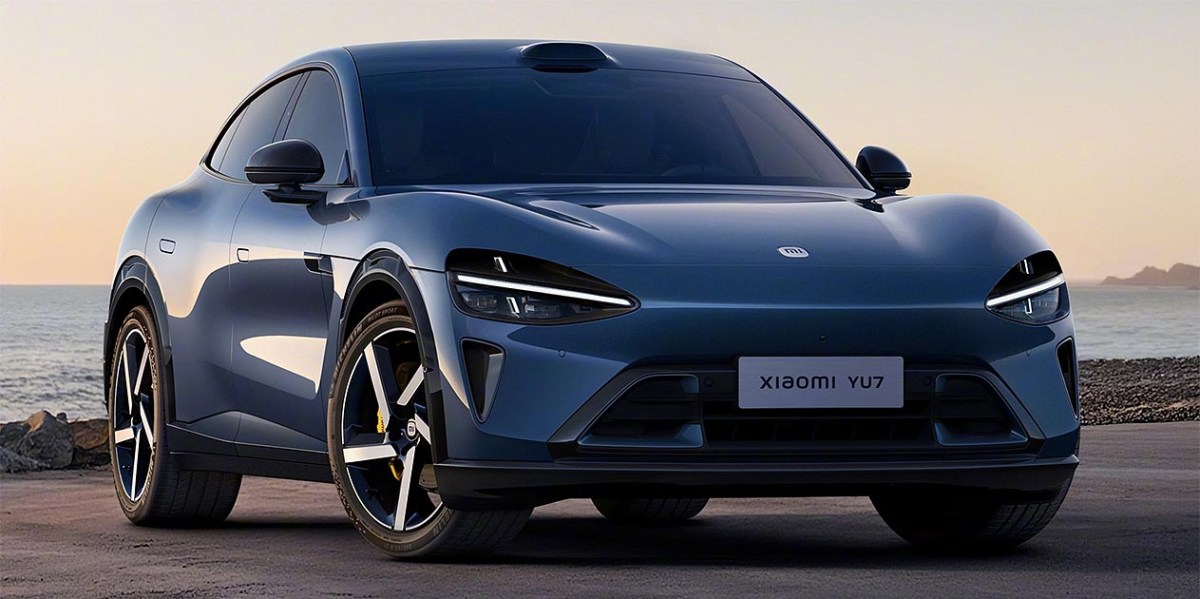
To understand why this computing muscle matters, you only have to look at the machines Xiaomi is actually building. The standard SU7 electric saloon is a substantial piece of hardware: 196.7 inches in length, 77.3 inches in width, with a 118 inches wheelbase. That's slightly longer than a Porsche Taycan at 195.4 inches and only a smidgen shorter than the Tesla Model S at 197.7 inches.
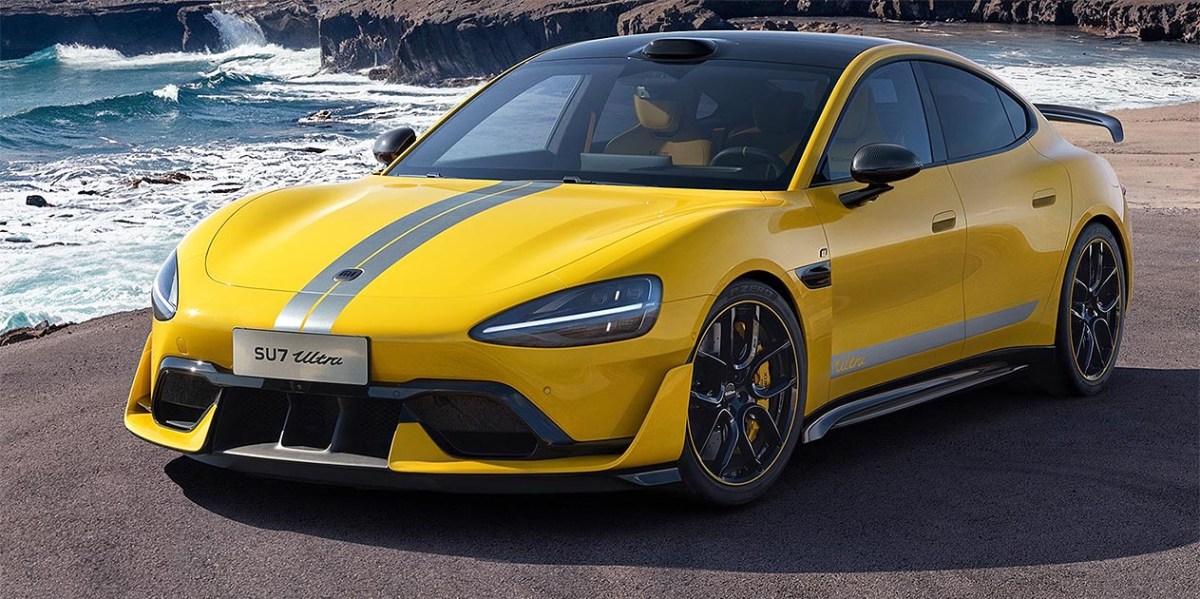
In its track-focused SU7 Ultra guise - commanding roughly $82,000 - the tri-motor weapon packs over 1,500 horsepower and tips the scales at 5,203 lb. Piloting a low-slung electric missile through dense urban traffic while parsing dozens of high-res camera streams needs some serious, no-compromise digital reflexes.
Before it ever finds a home behind the dashboard of a production vehicle, Xiaomi is demonstrating the D100 inside an engineering desktop rig dubbed the AI Cube Prototype. The setup pairs the D100 with the new Xring O3 mobile processor (destined for the Xiaomi 18 Fold) and the O100 AI accelerator, juggling between a 120-billion-parameter and a 3-billion-parameter model. The end-game is clear as day - a unified software ecosystem that bridges your pocket, your living room, and your car's digital nervous system under one roof.
Designing proprietary silicon from a clean sheet of paper is an eye-wateringly expensive exercise. Xiaomi has already committed more than RMB 21 billion (roughly $3.1 billion) to its rebooted semiconductor initiative, deploying a dedicated army of nearly 3,000 engineers. That investment is already leaving a visible mark on the balance sheet. The company's new EV and AI ventures logged an operating loss of RMB 2.6 billion in the second quarter alone, squeezed by heavy AI expenditures, elevated raw material costs, and initial production scaling.
Tuning an electric chassis is one thing; footing the bill to develop its own 3-nm automotive silicon is an entirely different level of ambition. If Xiaomi can successfully land the D100 in production cockpits by 2027 and manufacture enough vehicles to amortize those massive R&D outlays, it will have built a technological fortress. The times have changed a lot, and true high performance is no longer forged in steel and carbon fiber - it is now etched directly into silicon.




From the team behind
GSMArena.com
Facebook
Twitter
Instagram
RSS
Settings
Log in I forgot my password Sign up