Xiaomi SkyNomad series boosts sales on the way to half a million cars
Only three short years ago, a consumer electronics titan best known for mobile phones, fitness bands and robot vacuums built its first electric car. When the SU7 arrived, it terrified Stuttgart’s finest. It was followed by the YU7 crossover, proving that Xiaomi was deadly serious about electric pace. But car companies cannot survive on hot-lapping dream machines alone. To play the volume game in China, you eventually have to swallow your pure-electric pride, make peace with the combustion engine, and build something that can haul an entire family across the country without range anxiety.
September’s delivery numbers confirm that this strategy makes sense. Xiaomi Auto has cracked the monthly 40,000-vehicle threshold for the very first time in 2026, putting a huge distance between its summer plateau (31,267 units in July and 30,153 in August) and this autumn jump. Xiaomi chose to keep the exact model-by-model split under wraps, but nobody is fooled about where that sudden momentum came from - the arrival of the SkyNomad series, an extended-range family brute.

Celebrating those 40,000 deliveries comes with a sizable asterisk when you look at the bigger picture. In the first nine months of this year, Xiaomi pushed 286,475 cars out the factory gates - impressive until you realize it’s barely half of CEO Lei Jun’s 550,000-vehicle target for 2026. The math for the fourth quarter is wild: to hit that finish line, they need to deliver 263,525 cars between now and December. That’s an average of about 87,842 units per month - more than twice September’s record.
The vehicle carrying that mountain of expectation is the SkyNomad, which officially broke cover on September 7. Instead of sticking strictly to pure battery power, the lineup branches out with the five-seat N70 Pro and N70 Max for everyday suburban duties, and the seven-seat N90 Max with the ultra-plush five-seat N90 Max Studio for people who prefer to recline in lounge-style excess.
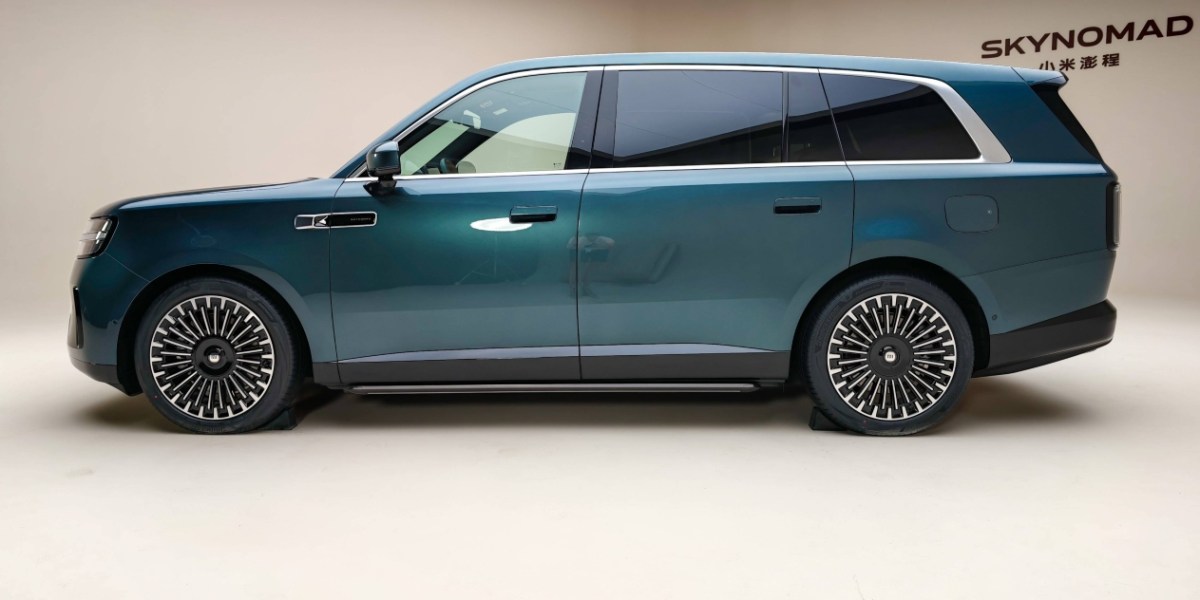
The popularity, at least in part, is down to how Xiaomi priced the new family addition. With prices starting from RMB 209,900 (around $31,170), the N70 lands in the sweet spot of middle-class aspirational buying. It sparked an order frenzy that saw more than 10,000 customers lock in deposits within four minutes of the livestream ending. Knowing that attention spans evaporate fast these days, Xiaomi stockpiled pre-built inventory, promising keys in hand within 1 to 5 weeks.
The engineering philosophy behind the EREV powertrain might upset pure EV fans, but long-distance road-trippers will appreciate it. Instead of dragging around a giant battery pack to deliver a decent highway range, the SkyNomad adds a 1.5-liter turbocharged generator. When the cells run low, the petrol genny kicks in, feeding electrons to the battery. You still enjoy the instant torque of electric drive motors, but without the worry of finding a dead charger when running low.

The endurance figures on paper are impressive for a rig of this size. In the N70 Max, the battery alone delivers a pure electric CLTC range of 314 miles - enough for an entire work week of commuting. The N90 Max with a brimmed fuel tank and a full battery promises 1,059 miles on a single run. That kind of endurance lets you go from London to the south of France without stopping for anything other than border control.
The new SkyNomad is impressive, but Xiaomi is wading into tricky terrain here. Pure EV sales are doing fine in China, but sales of EREVs dropped nearly 16% to 616,000 vehicles in the first eight months of 2026. Buyers are watching their budgets, charging infrastructure is way better, and the honeymoon with combustion-assisted EVs is over. Launching a brand-new hybrid into a shrinking niche looks silly on paper - unless your brand pull is so strong that you can pinch market share from the competition.
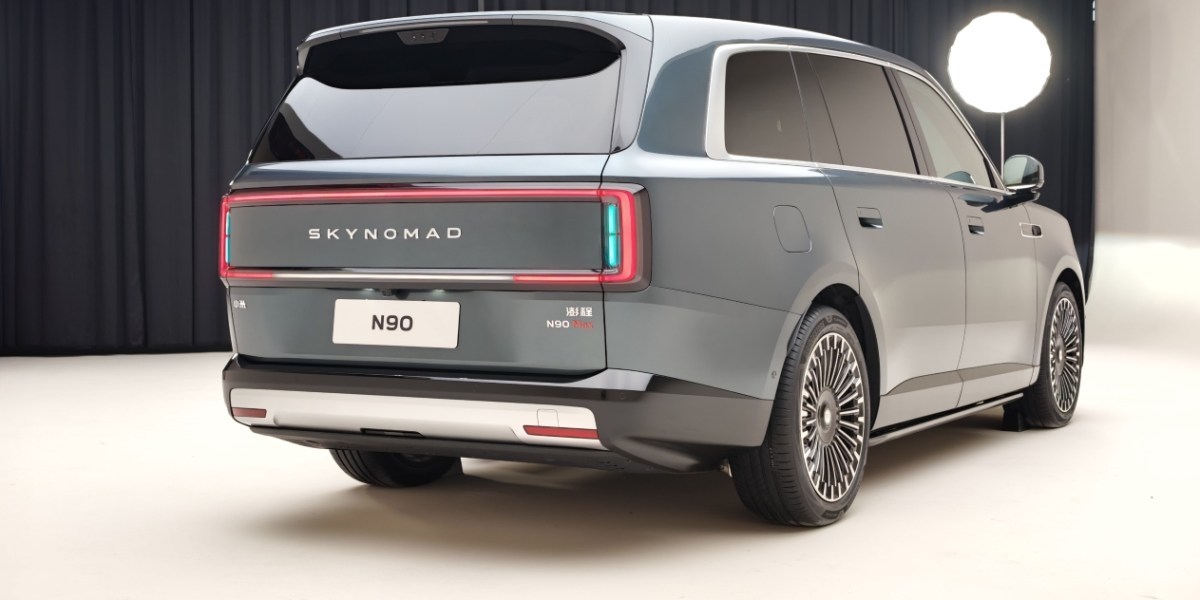
That swagger comes from what has been a wild multi-year sprint. Xiaomi’s core business was once discounted smartphones, but its automotive arm delivered a quarter of a million vehicles in the first eight months of this year alone and crossed 800,000 lifetime deliveries within days of the SkyNomad’s unveiling. Most carmakers spend a decade and billions of dollars just to deliver their first hundred thousand EVs - Xiaomi has normalized pumping out tens of thousands of software-defined cars every thirty days with the clinical precision of a consumer electronics assembly line.
Can the SkyNomad generate enough sales to push Xiaomi across that 550,000-vehicle finish line by the end of December? I’d love to see that. Running the factories at a pace of nearly 88,000 units a month will test the company to its absolute breaking point. And just for reference - Tesla Giga Shanghai manages about 78,000 EVs every month at the moment. Watching Xiaomi get here from nothing three years ago is unlike anything I’ve seen before, and it makes it a proper nail-biter.





From the team behind
GSMArena.com
Facebook
Twitter
Instagram
RSS
Settings
Log in I forgot my password Sign up