2026 Volvo EX90 Twin Motor Performance review
Volvo built its reputation on two things above all else: safety and Lagom design. Every new model is expected to feature that "just the right amount" interior and exterior and somehow be even more protective of its occupants than the one before it. The EX90 now sits as the ultimate expression of that philosophy, a fully electric flagship that carries the spirit of the XC90 into a new era.
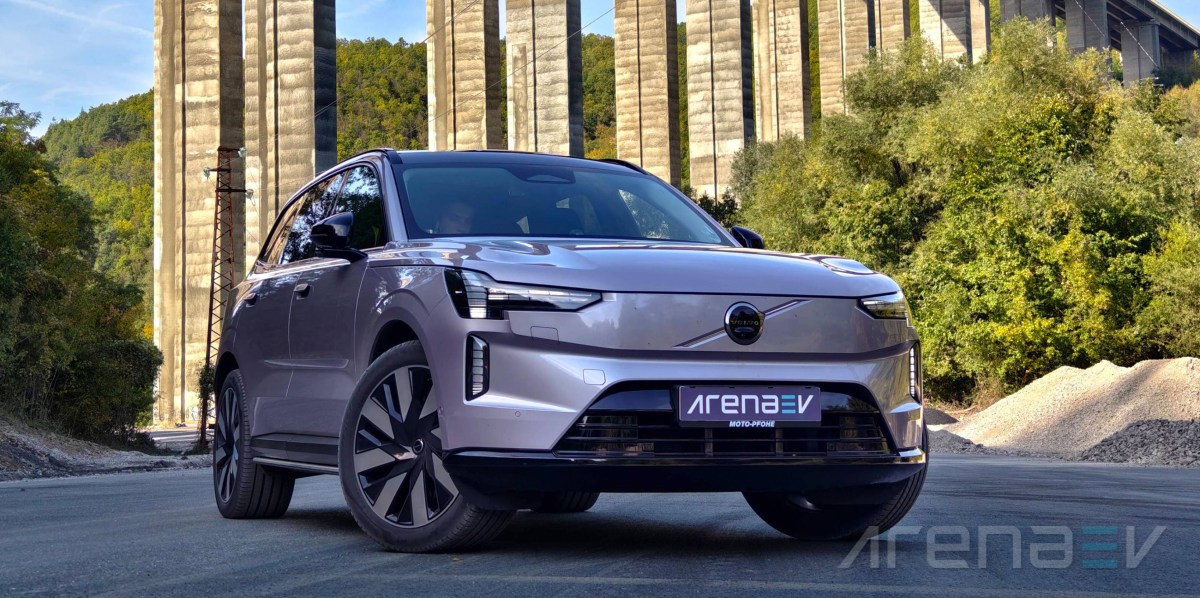
Table of Contents:
- Exterior
- Interior
- Storage & practicalities
- Driving experience
- Ride comfort
- Tech features
- Cabin noise
- Acceleration and braking
- Consumption
- Charging speed
- Competition
- Verdict
Yet, its first chapter was anything but calm. When the first EX90s reached customers in 2024, software glitches, battery-related problems and unfinished features quickly turned some early owners into unwilling beta testers. For a luxury SUV meant to showcase everything Volvo could do, that was hardly the introduction the company had hoped for.
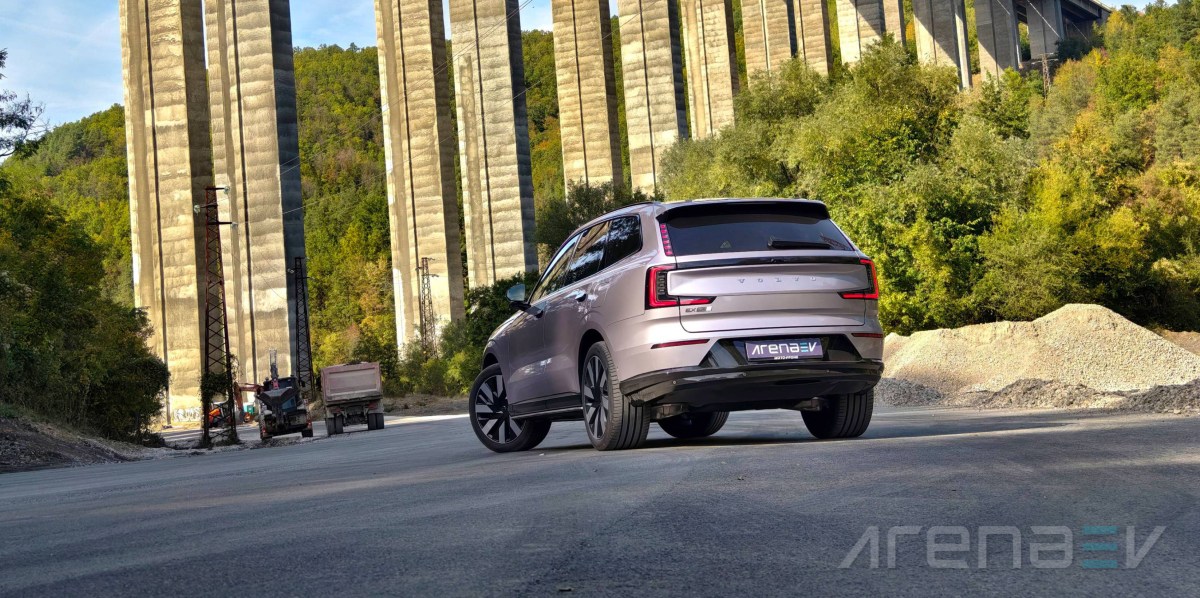
Volvo was quick to respond, though. Barely a year later, the EX90 received a substantial revision with a new central computer, revised electronics, more powerful versions, the removal of the controversial LiDAR setup and, most impressively in that time frame, a switch from a 400V to an 800V electrical architecture.
The car we are testing today is the result of that overhaul: the Volvo EX90 Twin Motor Performance. Sitting at the top of the range, it delivers 680 hp and 642 lb-ft to all four wheels, enough to propel this nearly three-tonne seven-seater to 62 mph in just 4.2 seconds.
On paper, Volvo appears to have addressed nearly everything that tarnished the EX90’s debut. Now we’ll try to answer the more important question. Has the EX90 finally become the flagship Volvo intended to build in the first place?
Volvo EX90 Twin Motor Performance 2025 -
- Dimensions: 198.3 inches x 77.3 inches x 68.7 inches, 117.5 inches wheelbase.
- Drivetrain tested: Twin Motor Performance - AWD 500 kW (680 hp), 642 lb-ft, 106 kWh usable battery capacity
- Other drivetrains: Single Motor – RWD 245 kW (333 hp), 354 lb-ft, 92 kWh usable battery capacity, 350 miles WLTP
- Charging: 350 kW CCS; 10-80% in 22 min
- Range: 382 miles WLTP
- Weight: 6,008 lb unladen, 7,297 lb gross
- Other features: Ride height adjustments, Producer Mode audio settings, CarPlay and Android Auto, OTA updates.
Exterior
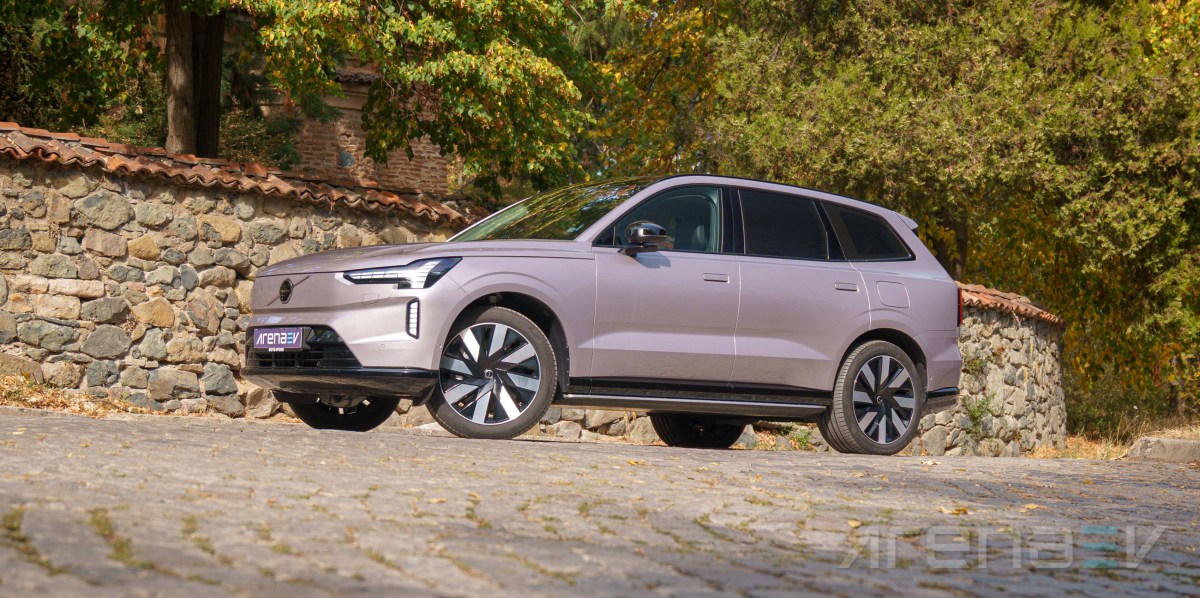
In typical Volvo fashion, the EX90's exterior is restrained and minimalist, with many of its finer details only becoming obvious once you get closer. The overall proportions are stately and sophisticated, though, giving the huge SUV an elegant silhouette from almost every angle.
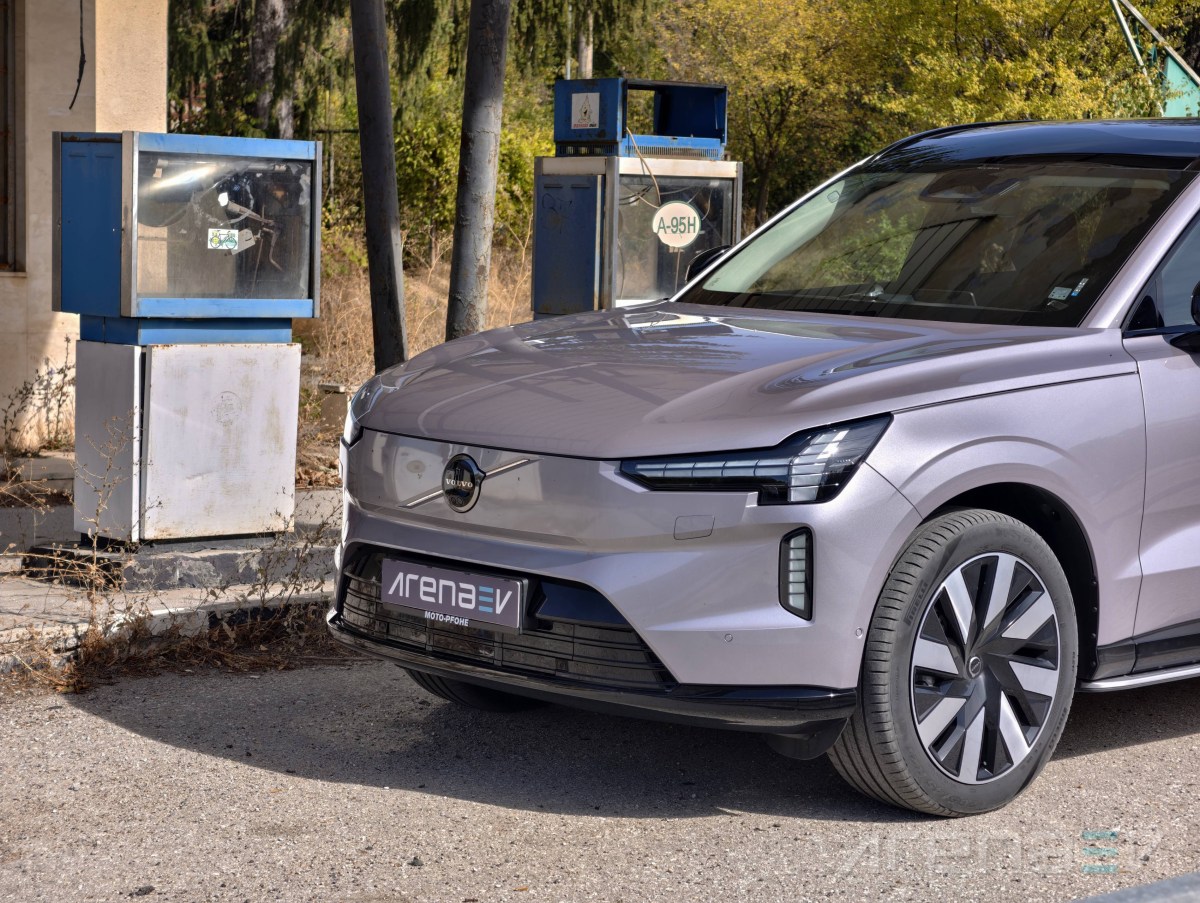
Up front are Volvo's iconic "Thor's Hammer" lights. The daytime running lights use a split design, with a smaller section positioned beneath the main unit, giving the EX90 an almost dimpled expression.
The large Volvo badge looks conventional at first, but hides a camera in its center. A small washer nozzle pops out to clean it when needed.
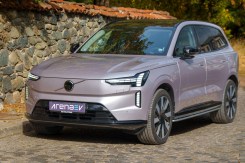
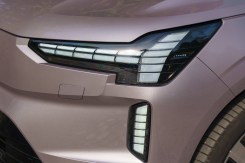
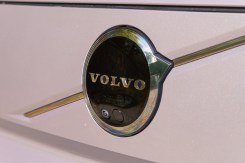
Volvo EX90 Twin Motor Performance front end
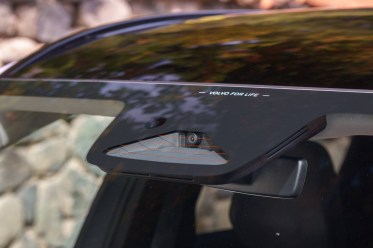
One of the most controversial elements of the original EX90 was the LiDAR sensor mounted prominently above the windshield. The reason for the drama is it never became fully functional. The updated model removes it entirely, closing that chapter.
Build quality is immediately apparent from the outside. Panel gaps are extremely tight, and the smooth bodywork gives the EX90 a genuinely premium appearance.
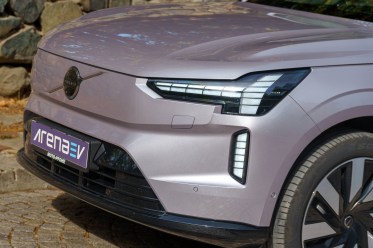
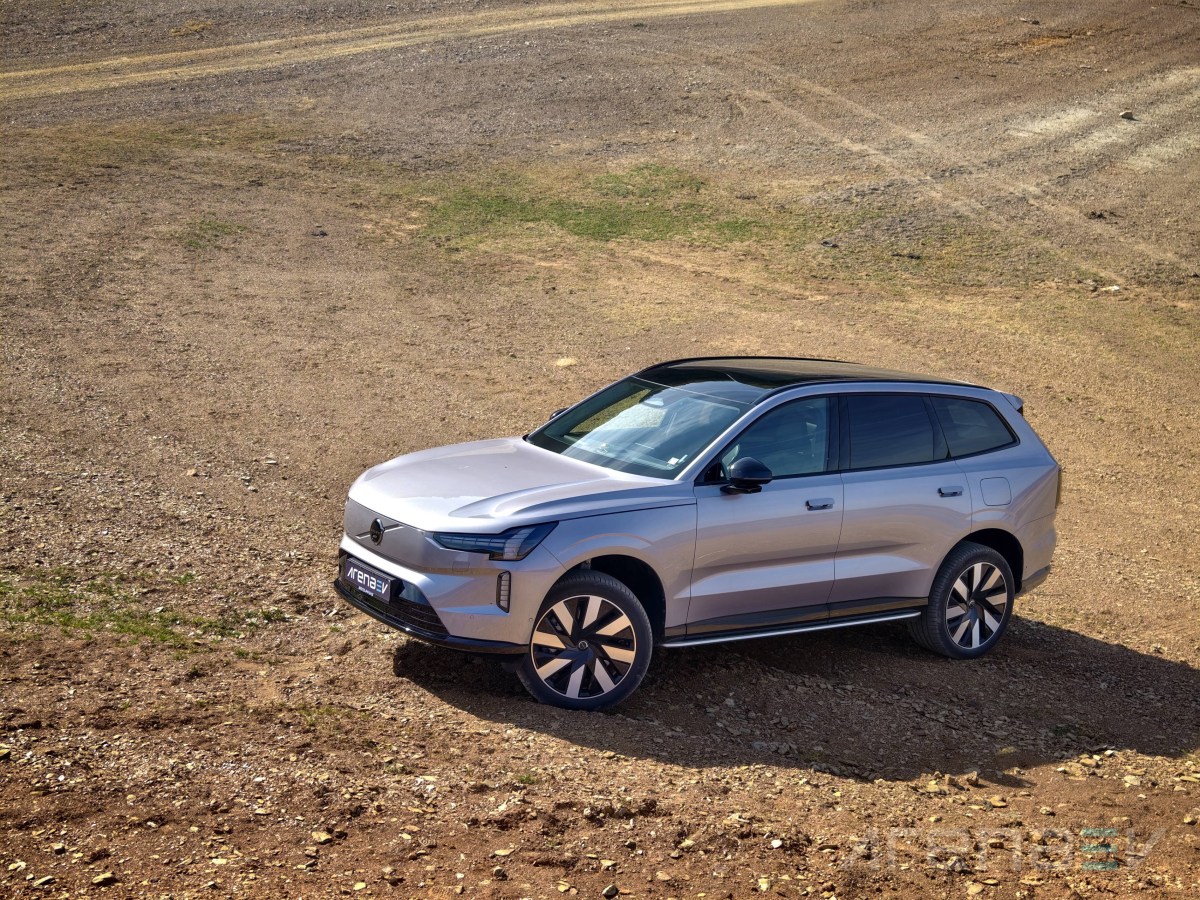
Black cladding runs along the lower sections, yet the EX90 still looks more elegant than rugged. The exposed wheel arches help visually lighten the body while doing little to reduce its actual off-road capability.
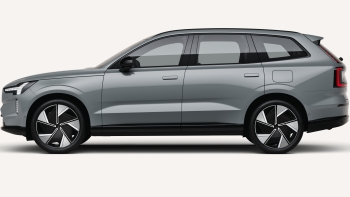
From the side, the EX90 hides its enormous dimensions surprisingly well until you stand next to it. Even the standard 21-inch wheels can look small against such a large body. Volvo also offers 22-inch option, although that comes with a penalty in range and comfort.
The side mirrors are another typical Volvo detail. Their frameless glass moves together with the entire housing when adjusted, making them feel almost like an art piece.

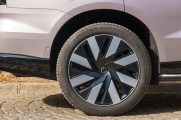
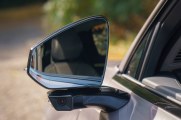
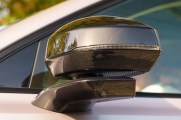
Volvo EX90 Twin Motor Performance side details and accents
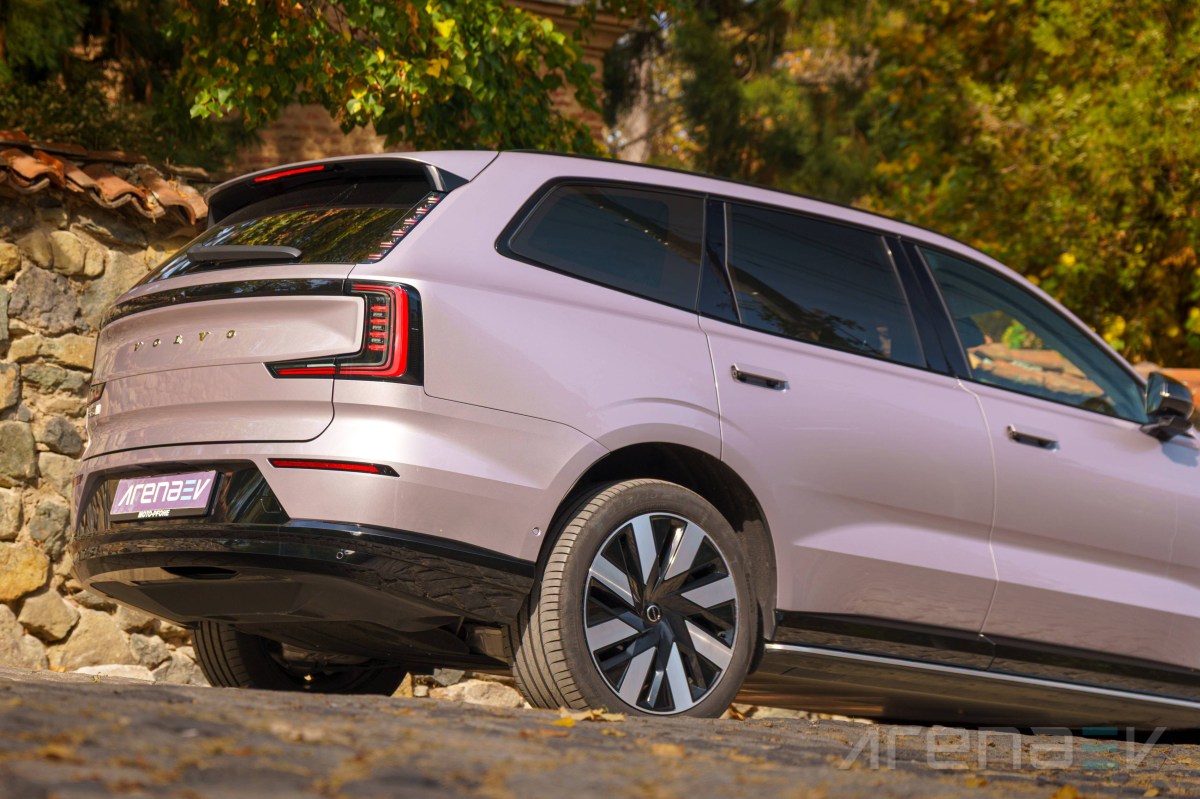
At the rear, Volvo added a bit of extra flair. The brand's traditional vertical taillight design is split into two sections, with small individual LEDs forming the upper portion and a more conventional light unit below. A black strip connects the lower sections and houses another camera and washer system.
One slightly odd detail is the exposed rear wiper. For such a minimalist design, we expected it to be hidden beneath the spoiler like on many rivals.
The Performance version is almost impossible to distinguish from the rest of the range. The only giveaway is a tiny white square next to the model badge reading "Twin Performance."
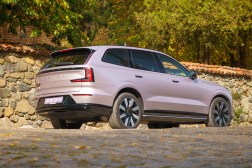
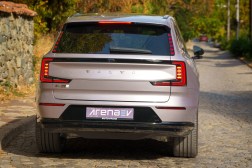
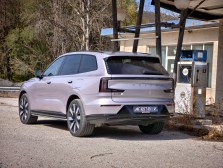
Volvo EX90 Twin Motor Performance rear end
That subtlety makes the 680 hp EX90 something of a perfect sleeper. Few people expect the massive family SUV beside them at the traffic lights to disappear quite that quickly.
Interior
Volvo offers a few variants for the interior colors and materials, with our test model having the real black leather with white wooden accents. Almost every surface inside is pleasant to touch, with no creaks or rattles whatsoever. Everything is solid inside and spending time in the cabin of the EX90 is a relaxing experience.
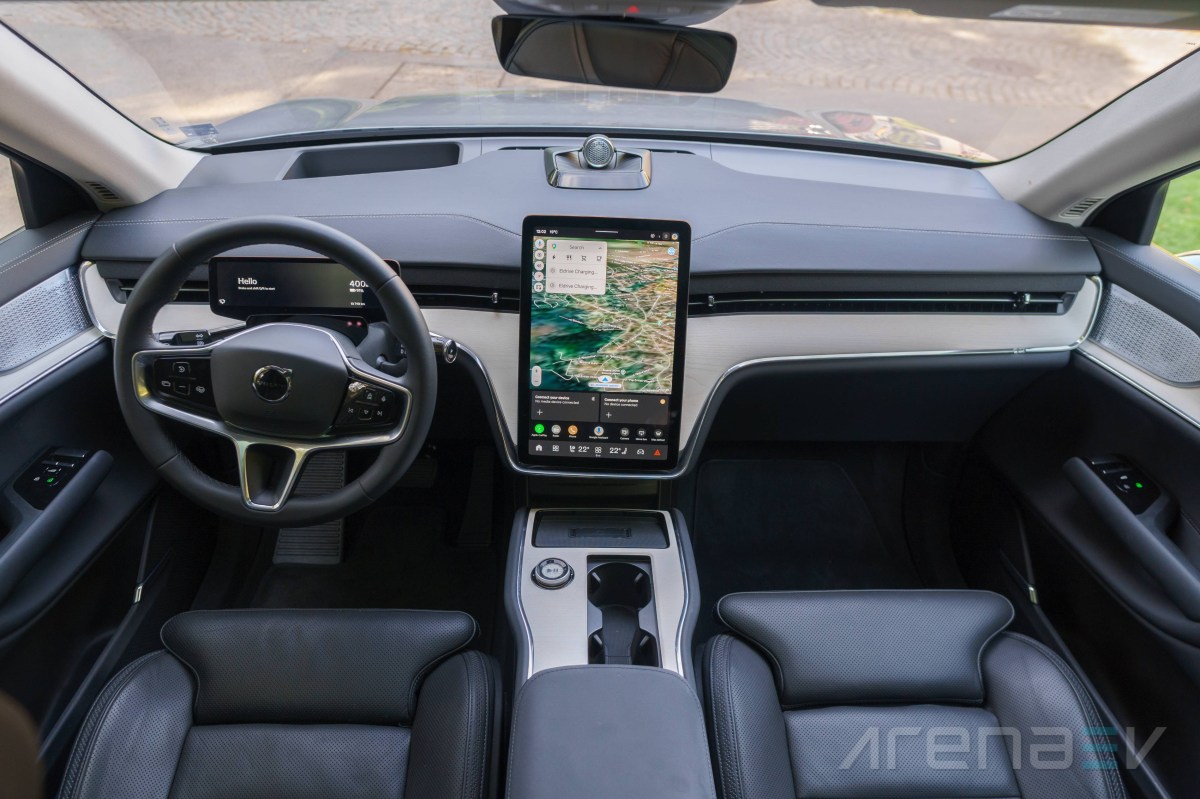
As you enter and touch the steering wheel, it sits firmly in your hands. It is thick and comfortable, although the buttons on it don’t match the overall quality of the cabin. They are a bit hard to use and are made out of cheap plastic, which is a shame in such a well-made interior.
The stalks behind the steering wheel are solid and hefty, with the right one being the gear lever and cruise control setting, while the left one controls the turn signals, high beams and wiper settings. Interestingly, Volvo is among the manufacturers who continue to put turn signal stalks that never lock into place, which is an incredibly annoying feature.
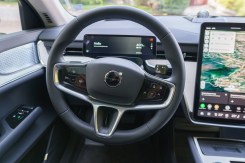
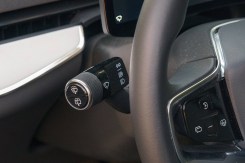
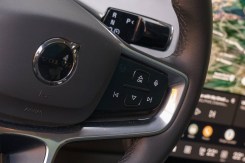
Steering wheel column accents.
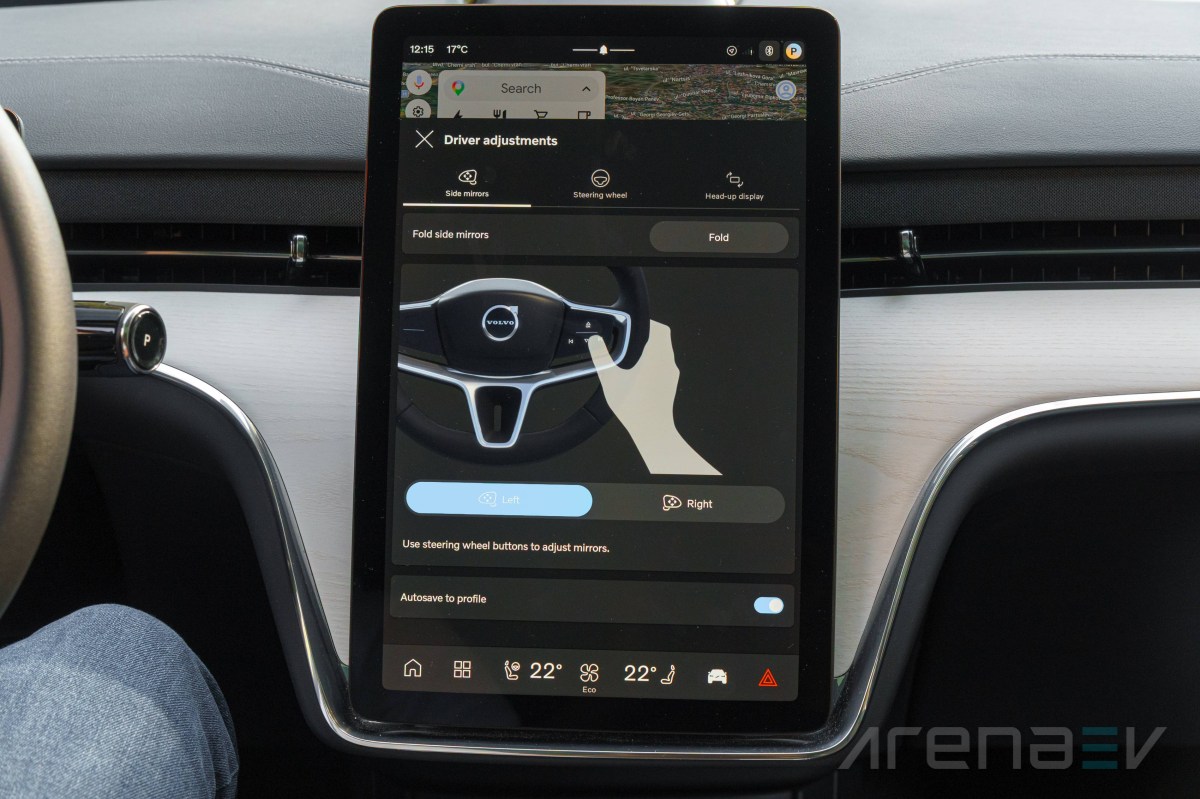
Another annoying part of minimalism is that there are no physical controls for the steering wheel and wing mirrors positioning. Instead, they are controlled via the steering wheel buttons, after going through a few menus in the infotainment, which is far from the most user-friendly integration.
The gauge cluster display has limited capabilities. It is small and basic but covers most of the modern needs of drivers, including a map that can double as the Apple CarPlay or Android Auto navigation. It is yet again minimalist, without omitting some key functionalities.
Combined with the head-up display unit, there isn’t much more the driver could ask for in terms of available information.
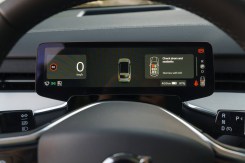

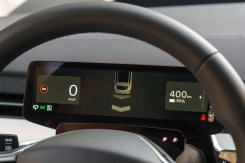
Small but sufficient gauge cluster display.
The door cards are covered in leather and offer deep storage pockets. The buttons on them are pleasant to touch, but sadly the driver's panel controls the front and rear windows with the same set of two keys and you have to take an extra step to alternate.
On the other hand, the stereo speakers on the door look amazing and are made out of aluminum, which adds a luxurious sensation. Moreover, the sound that comes out of those speakers is among the greatest we've experienced inside a vehicle. The Bowers & Wilkins system has astonishing clarity of sound and the settings allow passengers to precisely control every tone. We highly recommend opting for this system if you plan on buying an EX90.
There is also a speaker as the centerpiece of the dashboard, proudly announcing that the wonderful audio system has been equipped.
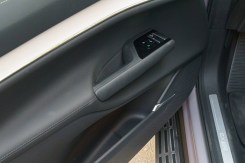
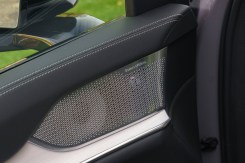
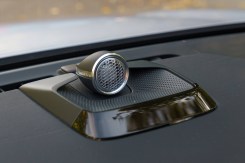
The stereo system is sublime
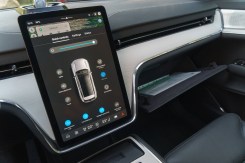
The big vertical infotainment display is a Volvo hallmark of recent years and the Swedes are once again sticking to that layout. The system works well, without lag and the menus are intuitive.
Below the screen is a large empty space for storage and there is even a strap to hold smaller objects in place. This could be particularly useful for charging items as there are two USB-C outlets in the vicinity.
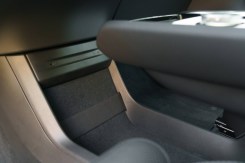
The center console is highly functional but also pretty to look at. It starts off with a wireless phone charging pad, then a beautiful crystal knob appears, which controls the audio. Two cup holders add practicality but can be covered to protect the look.
A deep arm rest finishes off the practicality areas up front.
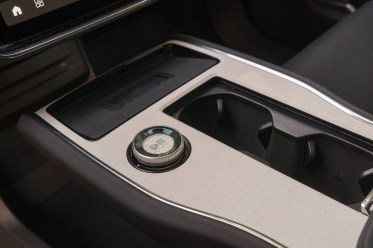
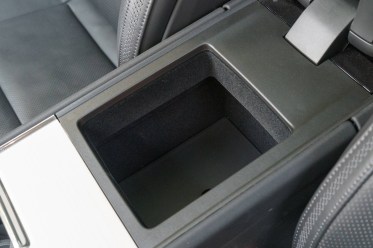
Volvo EX90 Twin Motor Performance center console
For the lovers of sunroofs, Volvo has fitted a huge fixed window that goes clear or opaque at the press of a button. It is not the most optimal solution for extremely bright and hot climates but is also the only option in the EX90.
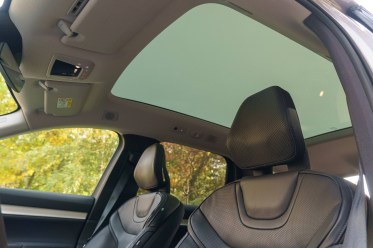
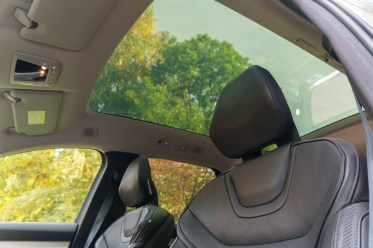
The sunroof tints with the press of a button.
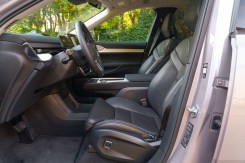
The seats are very comfortable. They can be adjusted in multiple ways, despite only having a single knob for controlling all the directions. They are heated and ventilated, but the massaging feature is their highlight as it provides true relaxation rather than simple movements.
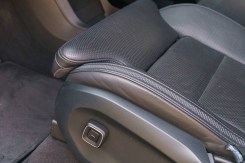
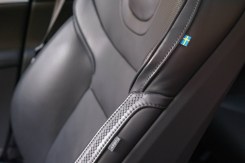
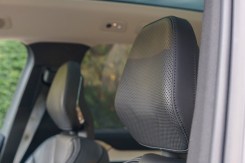
The seats fit nicely with the personality of the Volvo EX90 Twin Motor Performance
The back seats impress with the sheer space they offer. Our reviewer stands at 1.95 m (6'4") tall and fits with plenty of space to spare. Even in the most forward setting he sits comfortably behind his own driving position.


Second row space is generous.
The same cannot be said for the third row seats, which feel cramped no matter the size of the passengers. Given how large the EX90 is on the outside, we are disappointed to report its third row seats are tighter than those of the much smaller Mercedes GLB.
The EX90 can be specced in a six-seater version, which should provide slightly more space for the third row.


Not enough space in the third row.
In terms of amenities, the second row passengers get heated seats, separate climate controls and some USB-C chargers. Some rivals offer more entertainment screens and seat features, which aren't available here.
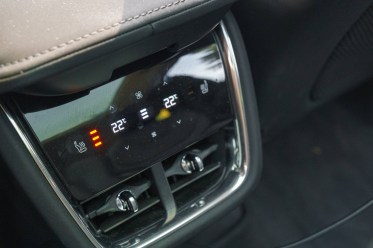
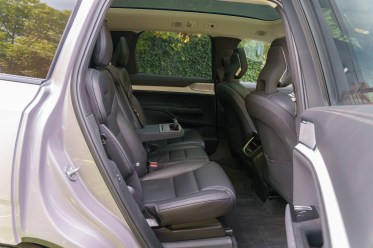
Not a whole lot of features for the rear occupants.
Storage & practicalities
Even with all seats in place, the cargo capacity of the Volvo EX90 is sufficient for a short trip at 13.3 ft³. Granted, the seven passengers will have to pack lightly but there will still be space for some luggage. The difference in space between the 6 and 7-seater versions is insignificant and can hardly ever be felt.
The additional storage space underneath the cargo floor lets you fit some more luggage though.
The row of buttons to the right of the trunk folds down the third row seats, lowers and lifts the suspension and, if optioned, delivers the tow hitch.
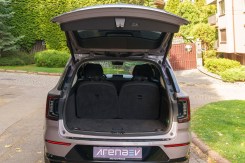
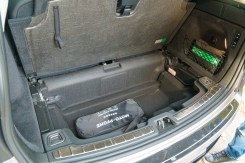
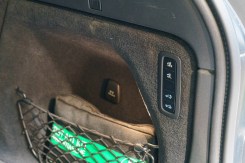
Trunk highlights
With the third row folded, the storage space increases to the ample 36.9 ft³, which is a huge number for what essentially becomes a five-seater SUV at this point.
By folding the second row, the cargo space increases to the impressive 73.5 ft³, which rivals courier vans in terms of practicality. Anything that doesn’t fit in the car at this point will have to be carried via a truck.
Adding to the good graces of storage, the frunk (front trunk) holds 1.48 ft³, which is enough to carry some rarely used items to clear up space from the main cargo area.
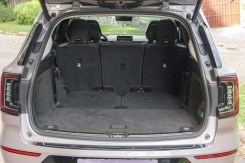
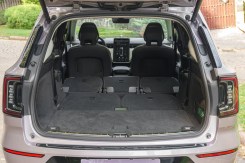
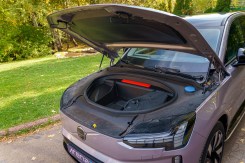
Practicality is never a problem with the Volvo EX90 Twin Motor Performance
Driving experience
With 680 hp on tap, the EX90 Twin Motor Performance could easily have fallen into the trap of pretending to be a sporty SUV. Volvo wisely resisted. This is still a luxury family hauler first and foremost. It just happens to be ridiculously quick whenever the road straightens out.
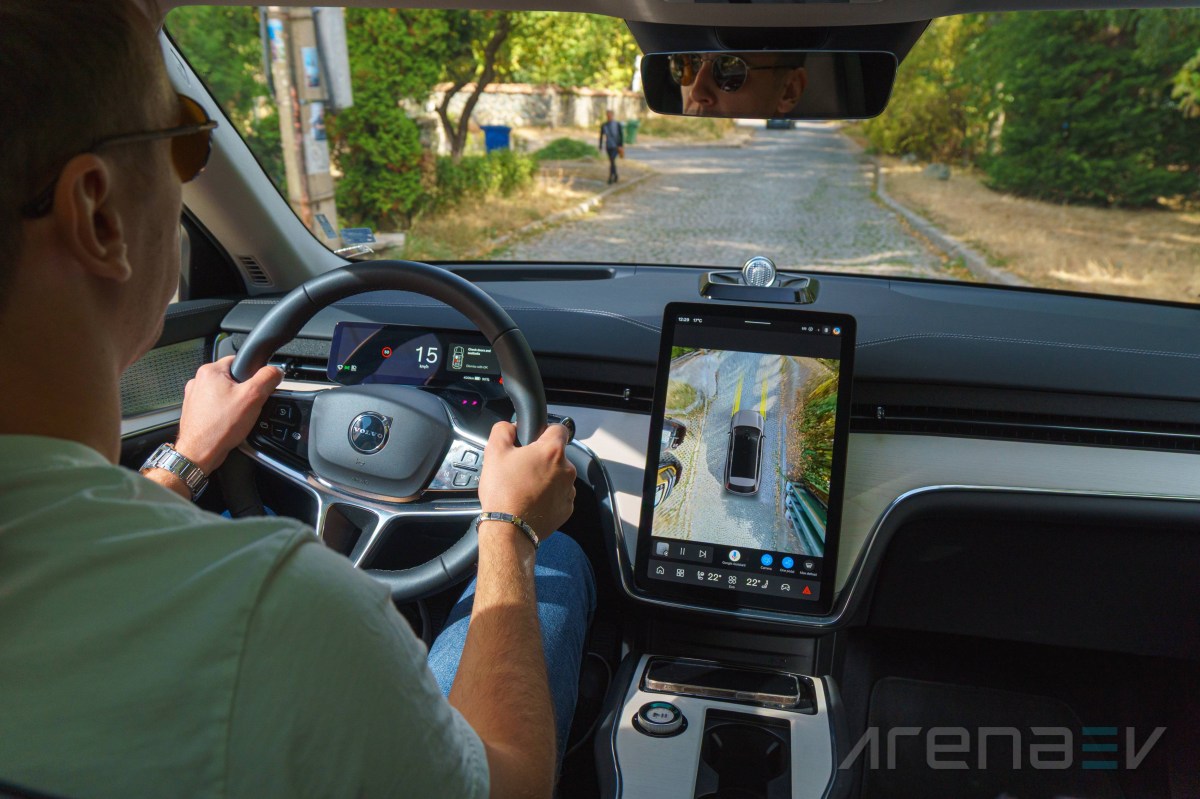
The steering immediately sets the tone. It is light, relaxed and filters out most of what is happening beneath the front wheels. There is very little feedback and even less urgency, but that suits the EX90 perfectly. This is not a car that encourages you to hunt for apexes. It wants you to lower your shoulders, turn on some music and forget that the road underneath you has imperfections.
The air suspension helps enormously. It smothers bumps with remarkable ease and gives the EX90 an almost yacht-like character, gently floating its passengers along rather than constantly reminding them that three tonnes of machinery are moving underneath.
Show it a sequence of sharp corners and the illusion quickly disappears. The EX90 rolls heavily and makes its size very obvious when pushed. It never feels unstable, just deeply uninterested in participating. Slow the pace down and everything immediately makes sense again. The Volvo feels far more natural cruising effortlessly, saving its considerable performance for overtakes and high speed motorway work.
That is also where Pilot Assist comes into its own. The system can steer, accelerate and brake while maintaining sensible distances from surrounding traffic. More importantly, it behaves naturally enough that you can actually relax rather than constantly supervise its every decision. On long journeys, that makes a meaningful difference.
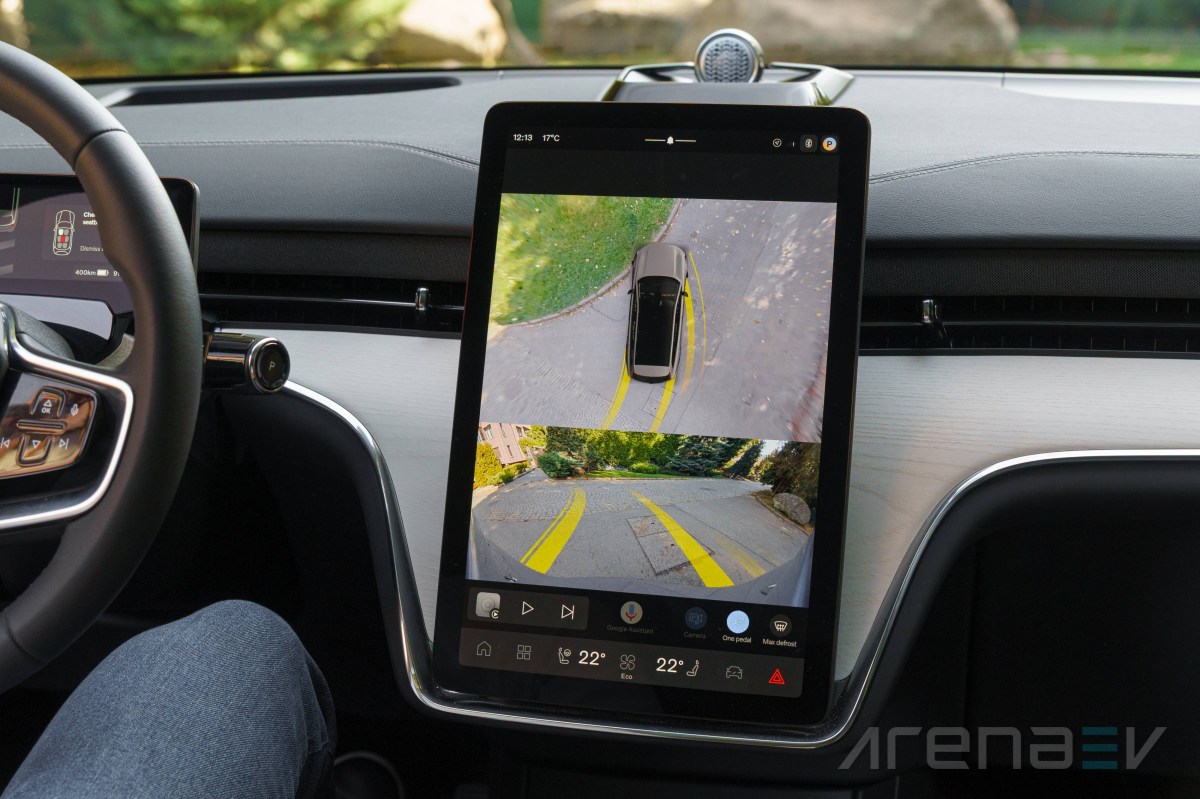
Despite its enormous dimensions, the EX90 is surprisingly easy to move around town. The squared off body makes its corners easy to judge from the driver’s seat, while the excellent camera system fills in anything you cannot see directly. Image quality remains impressive even in near total darkness.
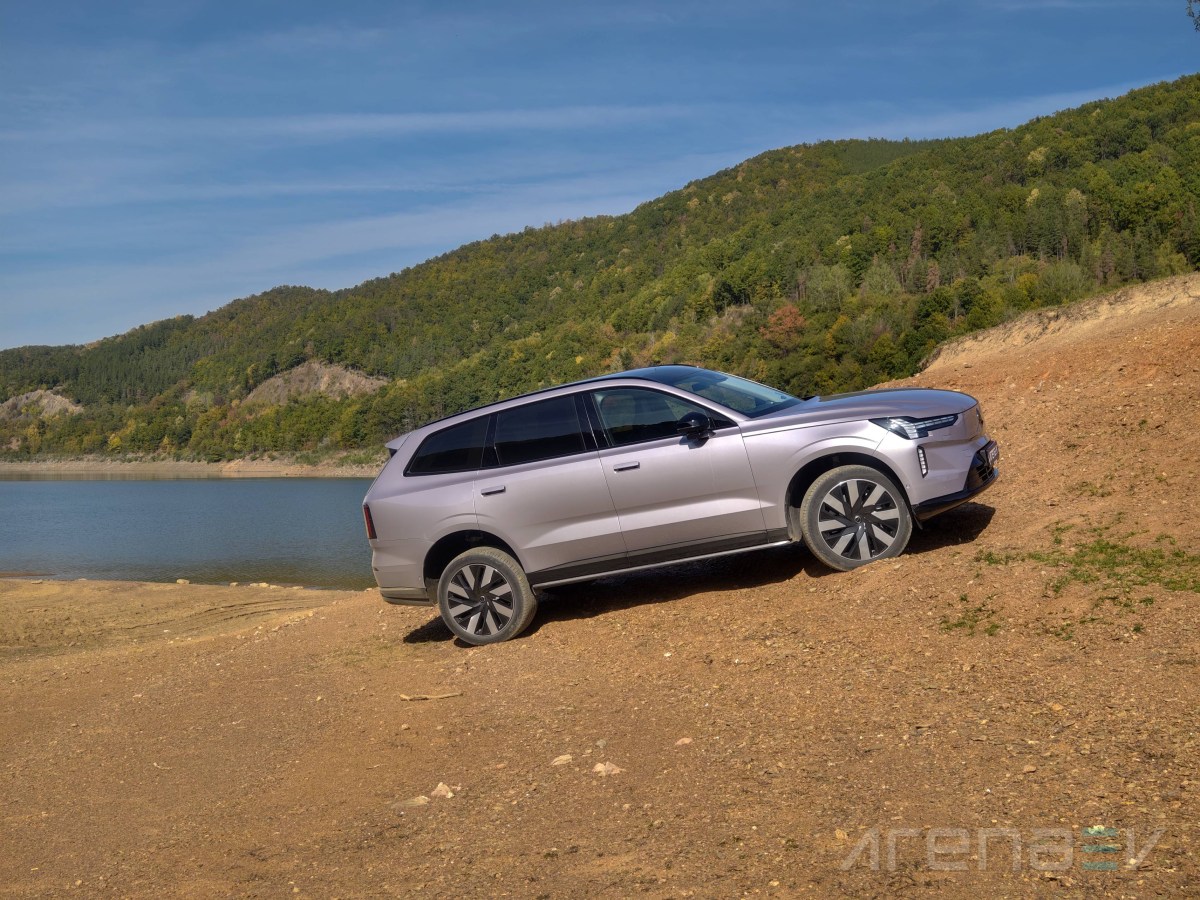
The air suspension brings another useful trick - ride height adjustment. The standard setting is perfectly adequate for everyday driving, while raising the body provides useful additional clearance when the asphalt ends. The EX90 may spend most of its life between school runs and motorways, but it is considerably more capable away from paved roads than its luxury focused character might suggest.
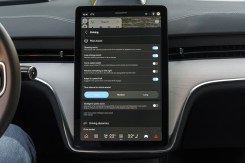
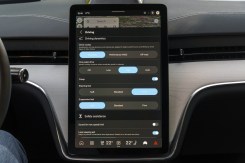
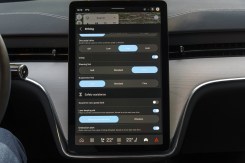
Disabling the mandatory driver assistance systems is thankfully straightforward as well. Tap the vehicle icon on the central display and the lane keeping and speed warning functions are only a couple of touches away. Considering how intrusive these systems can still be, easy access matters. They are designed to improve safety, yet in their current form they can sometimes become distractions themselves.
One area where Volvo has made things unnecessarily complicated is one pedal driving. Or rather, what it calls one pedal driving. Regenerative braking is strong enough to handle much of everyday deceleration, but the EX90 will not consistently bring itself to a complete stop without using the brake pedal. Auto mode can do so, although its behavior is unpredictable enough that you never fully know whether the car will take care of the final stop or leave the job to you.
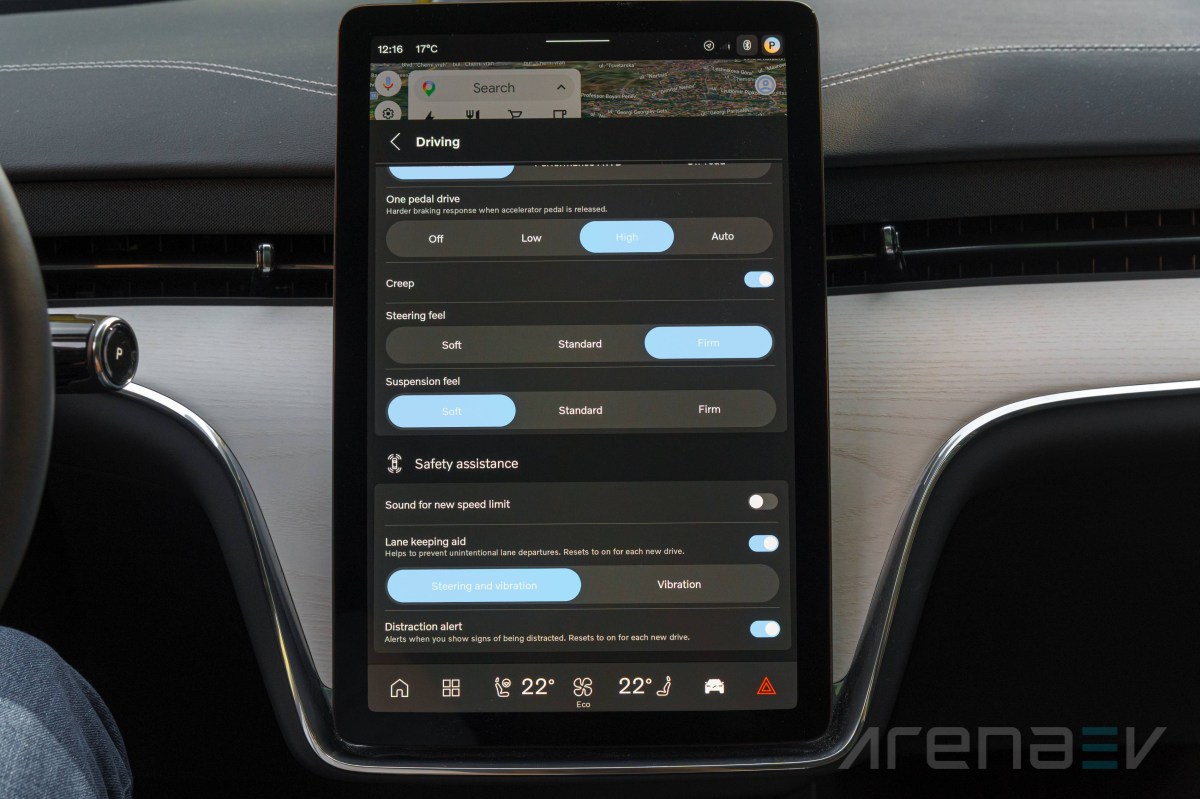
That feels particularly disappointing in a modern luxury EV. Most rivals have already mastered smooth, predictable one pedal driving, while the EX90 somehow turns something simple into a guessing game.
Ride comfort
The suspension of the Volvo EX90 is soft and smoothens out rough surfaces like a true luxury limousine. The car glides over potholes but doesn’t bounce its passengers inside, too. It’s a masterclass in air suspension calibration and is on the same level as the very best in the business. By changing the drive mode a significant change occurs and especially off-road gets very stiff but that is expected given that the driver needs more road feedback in such occasions.
Tech features
Volvo may not be a technological pioneer, but the EX90 combines enough proven features to remain highly competitive among large electric SUVs. There is also a healthy mix of useful functions and unnecessary gimmicks, exactly what we expect from a flagship in this class.
The infotainment is easy to understand, with a logical layout and large icons. The vertical display will divide opinion, but usability is generally excellent.
We have to start with the audio system because it is exceptional. Clarity, depth and overall sound quality are probably the best we have experienced in any car. There are countless settings available, yet all remain remarkably easy to understand.
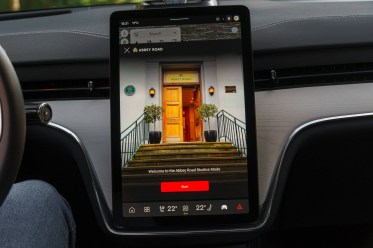
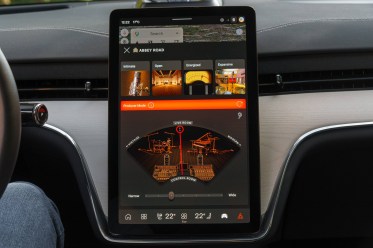
Sensational settings for the Bowers & Wilkins audio system
Volvo uses Google based software, so much of the interface immediately feels familiar. Google Maps dominates the home screen, accompanied by media and phone controls.
A permanent row of controls sits along the bottom of the display, while additional buttons appear depending on the active menu. Most are intuitive, although some functions would simply work better as physical controls. The glovebox release and hazard lights are obvious examples.
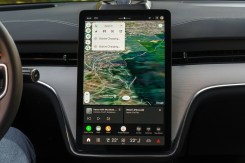
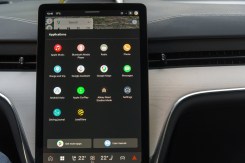
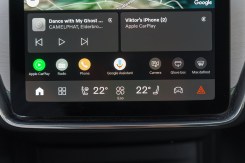
Google makes things easy.
The same applies to the headlight control, which is buried inside the infotainment. Automatic headlights mean you rarely need it, but a simple physical control around the steering column would still make far more sense.
Another victim of Volvo’s minimalism is the climate system. Temperature controls remain permanently visible, but more detailed adjustments require opening a separate menu.
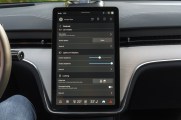
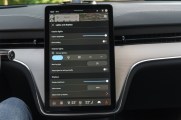


Some bizarre features buried deep into the menus.
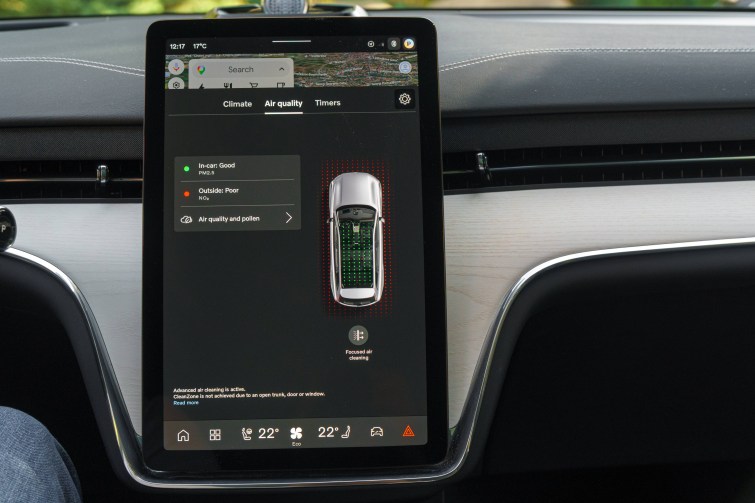
The EX90 also features an integrated air purifier that monitors cabin and outside air quality. Amusingly, our car decided the air outside was poor even while we were filming deep in the mountains, where we assumed breathing would be relatively safe.
Cabin noise
Inside the Volvo EX90 Twin Motor Performance is cozy and quiet. At low speeds there are some ambient noises that make their way inside the cabin but nothing too disturbing. At highway speeds the noises remain minimal and the cabin remains a pleasant place to spend time in. This lack of noise allows passengers to further enjoy the absurdly good audio system.
Cabin noise test results
- 37 mph
- 56 mph
- 81 mph
 Mercedes-Benz EQS SUV 580 4Matic
 Hyundai Ioniq 9 Performance
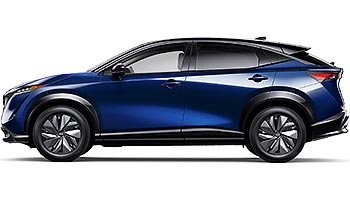
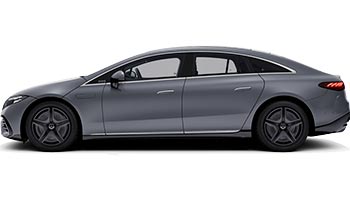
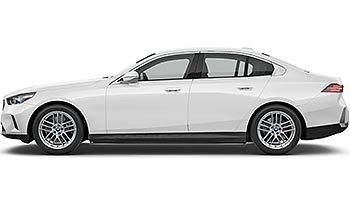
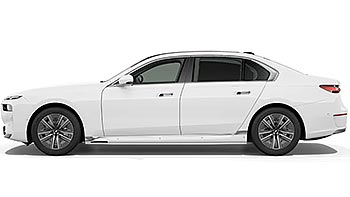
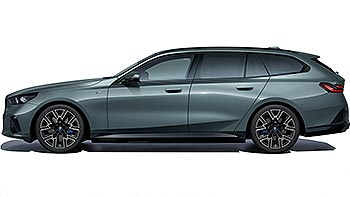
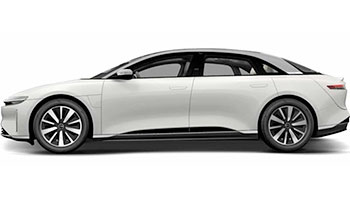
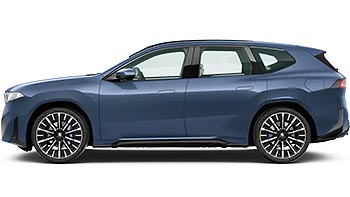 BMW iX3 50 xDrive (Summer tires 21")
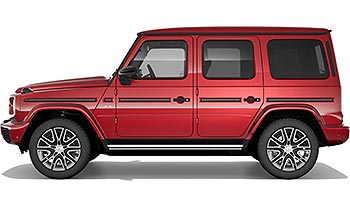
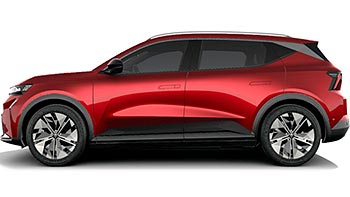
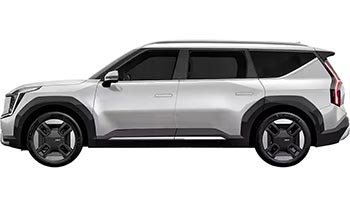 Kia EV9 99.8 kWh AWD
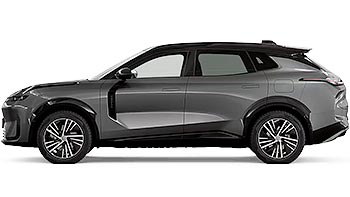 Volvo EX90 Performance
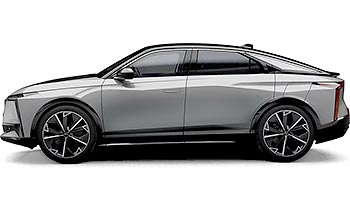
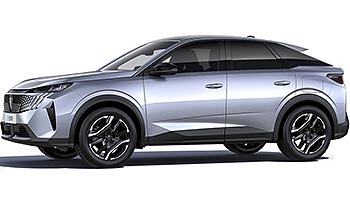
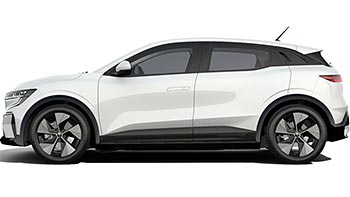
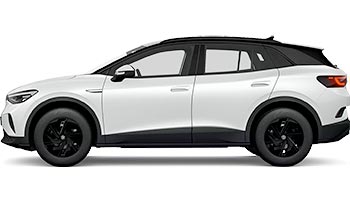
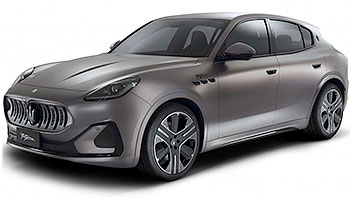
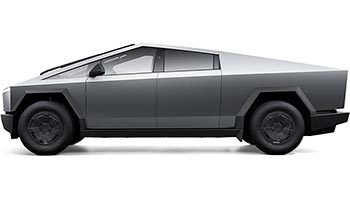 Tesla Cybertruck Cyberbeast
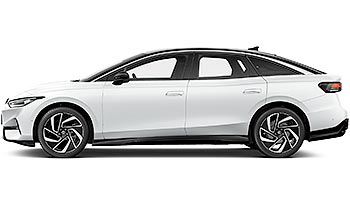
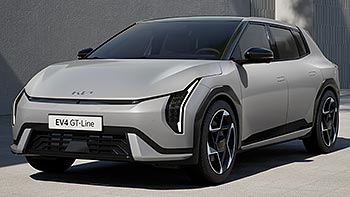
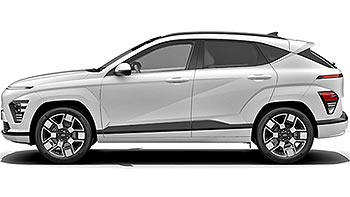
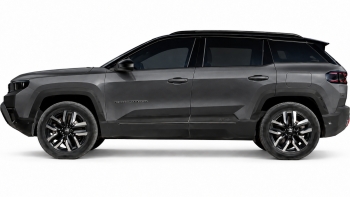
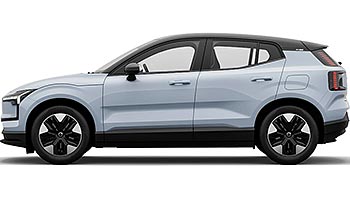
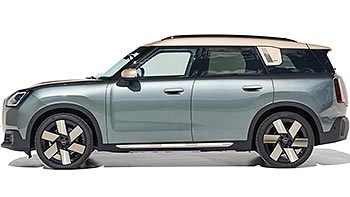

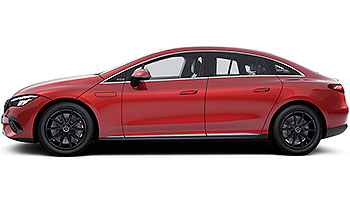
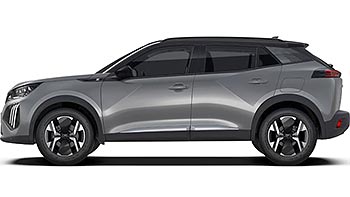
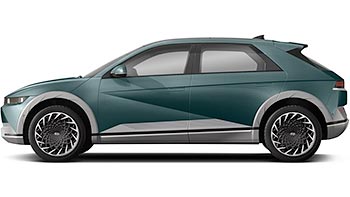
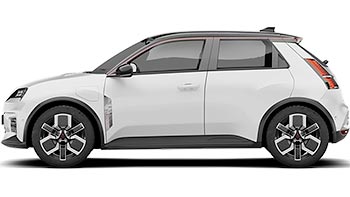
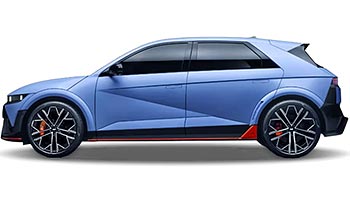
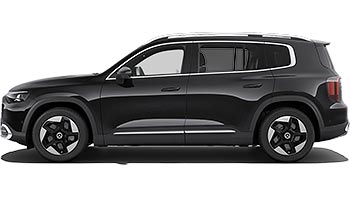 Mercedes-Benz GLB 350 4Matic
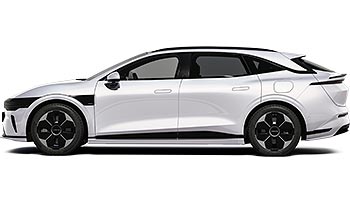
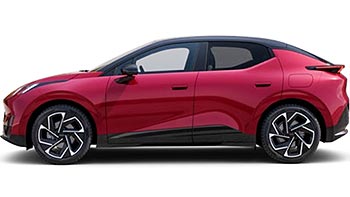
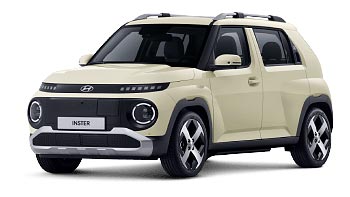
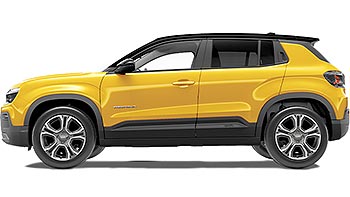
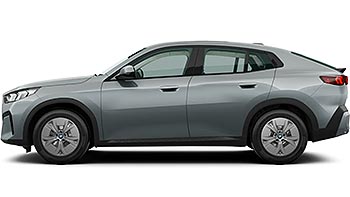
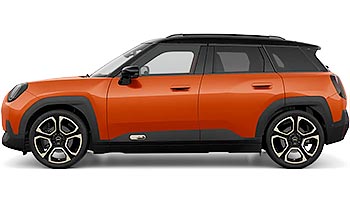
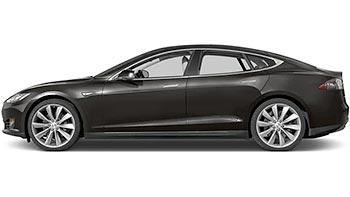
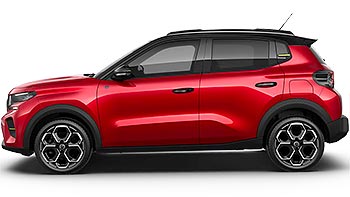
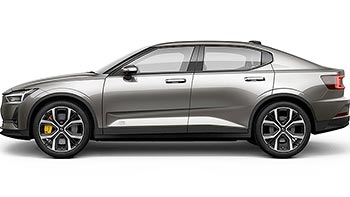
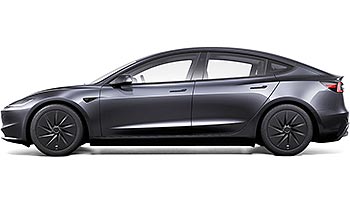
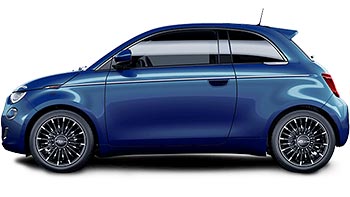
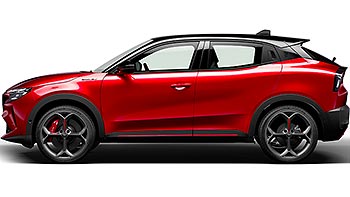
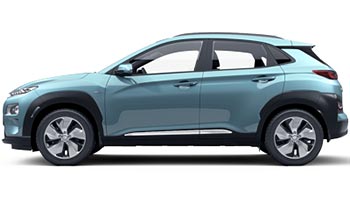
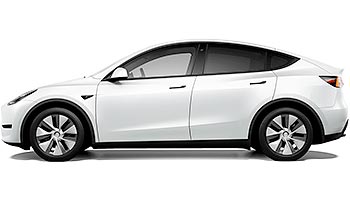
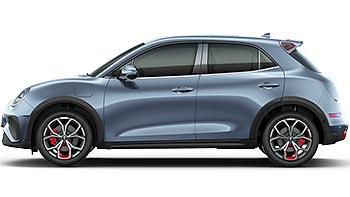
Sound level tests are carried out with a specialized sound level meter placed in the car's cupholders. The test is conducted with air conditioning and radio off and while maintaining a steady speed.
Acceleration and braking
Even though it may not look like one, the Volvo EX90 Twin Motor Performance offers sportscar levels of acceleration. The factory states 4.2 but we managed to accelerate in 4.11 seconds from 0 - 62 mph, which is a wonderful result. Not long ago, those values were reserved for supercars but now they find their way into a family SUV behemoth. Sadly, the electronically limited top speed of 112 mph doesn’t allow you to enjoy the full potential of those 680 horsepower.
0-62 mph acceleration test results
Tesla Cybertruck Cyberbeast
Volvo EX90 Performance
Mercedes-Benz EQS SUV 580 4Matic
BMW iX3 50 xDrive (Summer tires 21")
Hyundai Ioniq 9 Performance
Kia EV9 99.8 kWh AWD
Mercedes-Benz GLB 350 4Matic
Safety is Volvo’s number one priority. That being said, a complete stop from 62 mph takes a rather leisurely 37 m (121’5”). It is not a bad value in itself but given how much Volvo values safety we expected a benchmark value in this category for the segment.
Braking distance test results
BMW iX3 50 xDrive (Summer tires 21")
Hyundai Ioniq 9 Performance
Mercedes-Benz GLB 350 4Matic
Volvo EX90 Performance
Tesla Cybertruck Cyberbeast
Mercedes-Benz EQS SUV 580 4Matic
Kia EV9 99.8 kWh AWD
Acceleration and deceleration are measured with a RaceBox device inside the car. Testing is done with a single person inside the car, with air conditioning and traction control off.
Consumption
The Volvo EX90 Twin Motor Performance is efficient for what it is. A three-row large SUV with 680 hp will expectedly never be the most efficient vehicle but the results the car got in our testing are impressive. If you want to see our detailed opinion on the Volvo EX90’s efficiency check out our dedicated range test article.
Range test results
- 37 mph
- 56 mph
- 81 mph
BMW iX3 50 xDrive (Summer tires 21")
Volvo EX90 Performance
Mercedes-Benz EQS SUV 580 4Matic
Mercedes-Benz GLB 350 4Matic
Kia EV9 99.8 kWh AWD
Hyundai Ioniq 9 Performance
Tesla Cybertruck Cyberbeast
We measure consumption by driving at constant speeds on an identical test route during the day. Testing is conducted with air conditioning, all safety systems and radio on. The data comes from the vehicle's board computer. Specific testing parameters such as ambient temperature are mentioned in the text on a case by case basis.
We now suggest you use the widget below to find out the Volvo EX90 Twin Motor Performance’s range in every combination of speed and temperature you might need. We've used our real world tests and a complex model to provide an estimate that should be as close to the actual performance as possible.
Charging speed
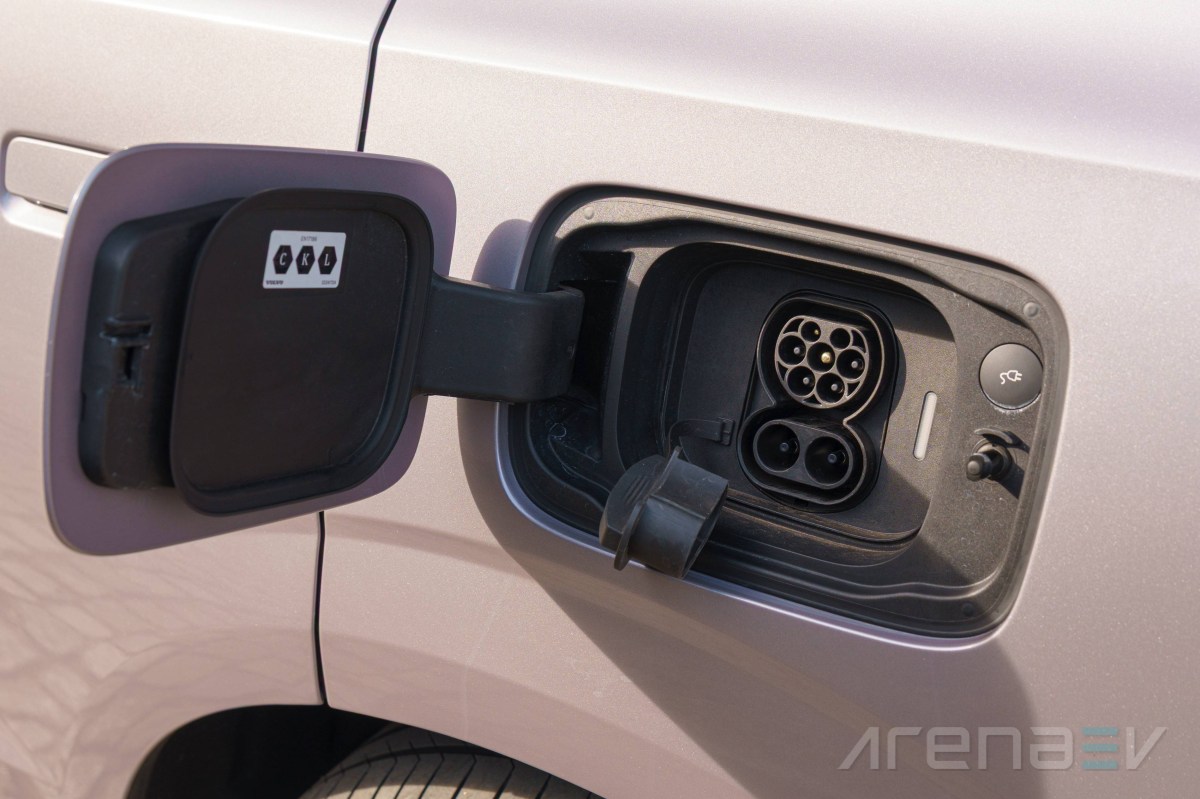
One of the biggest upgrades of the mid-cycle refresh is the addition of the 800V architecture, which significantly lowered the charging times and improved efficiency. The EX90 charges now with up to 350 kW and the 10-80% charge takes only 22 minutes, which is impressive for such a large battery.
Competition
Despite SUVs dominating global sales, huge electric SUVs remain surprisingly niche. The few that exist are already a couple of years old and none has truly taken the market by storm. That leaves the EX90 with limited direct competition and, fortunately for Volvo, plenty of strengths of its own. The updated infotainment is smooth, the materials feel properly premium and the audio system is phenomenal. More importantly, there are no major weaknesses that fundamentally hurt the experience.
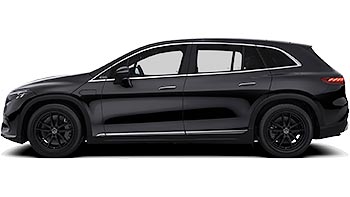
The closest rival is the Mercedes EQS SUV. It is slightly older but offers a larger battery, while most objective figures are remarkably similar. Inside, however, the Volvo feels better built, uses superior materials and has a far less polarizing design. Official prices suggest otherwise, but generous dealer discounts often bring the EQS SUV surprisingly close.
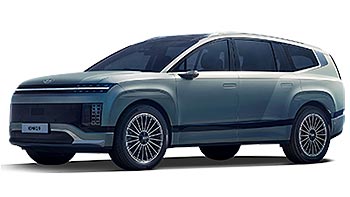
The Hyundai Ioniq 9 takes a different approach. It offers more equipment, greater practicality and better third row accommodation, all while costing less. The Volvo fights back with atmosphere. Its materials are better, the infotainment feels more polished and the cabin delivers a level of perceived luxury the Hyundai cannot quite match.

Mercedes EQS SUV 580 4MATIC 2024 - • Hyundai Ioniq 9 Performance 2025 -
Rivals may beat the EX90 in individual areas, but few combine space, refinement, technology and premium character as convincingly.
Verdict
The Volvo EX90 is a reminder that true luxury isn't necessarily about having the most features or the biggest numbers. Despite boasting 680 hp, its greatest strength is how effortlessly it makes every journey feel. The cabin is beautifully built, the air suspension is exceptional and the Bowers & Wilkins audio system alone might convince you to take the longer route home.
Of course, not everything is perfect. Volvo's obsession with minimalism has eliminated some buttons that really should have stayed, the third row is disappointingly cramped and the inconsistent one-pedal driving needs improvement. The EX90 also makes no attempt to disguise its considerable weight when the roads get twisty.
But none of that takes away from what is an exceptionally accomplished luxury SUV. The updated technology, impressive efficiency and outstanding refinement make it a compelling alternative to the established competition.
More importantly, the EX90 has a certain charm that numbers and specifications simply cannot convey. We strongly encourage you to visit a Volvo dealership and experience one for yourself. The Volvo EX90 Performance doesn’t want to shout its capabilities, it simply does everything right.
Pros
- Comfortable ride.
- Sublime audio system.
- Long range on a single charge.
- Capable off-road.
- Easy to disable driver aids.
- Clever space optimization.
- Quick charging times.
- Fantastic interior materials.
Cons
- Tiny third row of seats.
- Hard to adjust steering wheel and side mirrors.
- No real one pedal driving.
- Overcomplicated simple controls buried in menus in the center screen.



From the team behind
GSMArena.com
Facebook
Twitter
Instagram
RSS
Settings
Log in I forgot my password Sign up