China fixes solid-state battery marketing myths
From July this year, if a battery loses more than 0.5% of its mass during a vacuum bake test at {{120ºC}} for six hours, you can't legally call it an all-solid-state unit - at least not in China. That single metric matters more than any press release we've read this decade. For the last five years, automakers have put the "solid-state" label on anything with slightly less liquid sloshing around inside. China closed that marketing loophole with the rollout of GB/T 43568-2026. It establishes a formal threshold that strips away the PR fluff and forces OEMs to show actual factory readiness instead of optimistic lab charts. To secure an official all-solid-state designation, the liquid electrolyte must sit below 5% of the total cell weight.
In August 2026, the International Electrotechnical Commission officially approved a China-led proposal to establish global testing and application guidelines for automotive solid-state batteries. The implications stretch into how legacy brands engineer their upcoming platforms. China is effectively shaping global markets without exporting a single battery. If you're a Chinese manufacturer already dominating the electric vehicle supply chain, aligning your export models with a domestic standard reduces compliance friction to zero. Foreign competitors face a reverse burden. European and American automakers now have a choice - they can either adapt to a framework designed without their input, or they can spend years trying to draft a new standard from scratch while the market moves on.
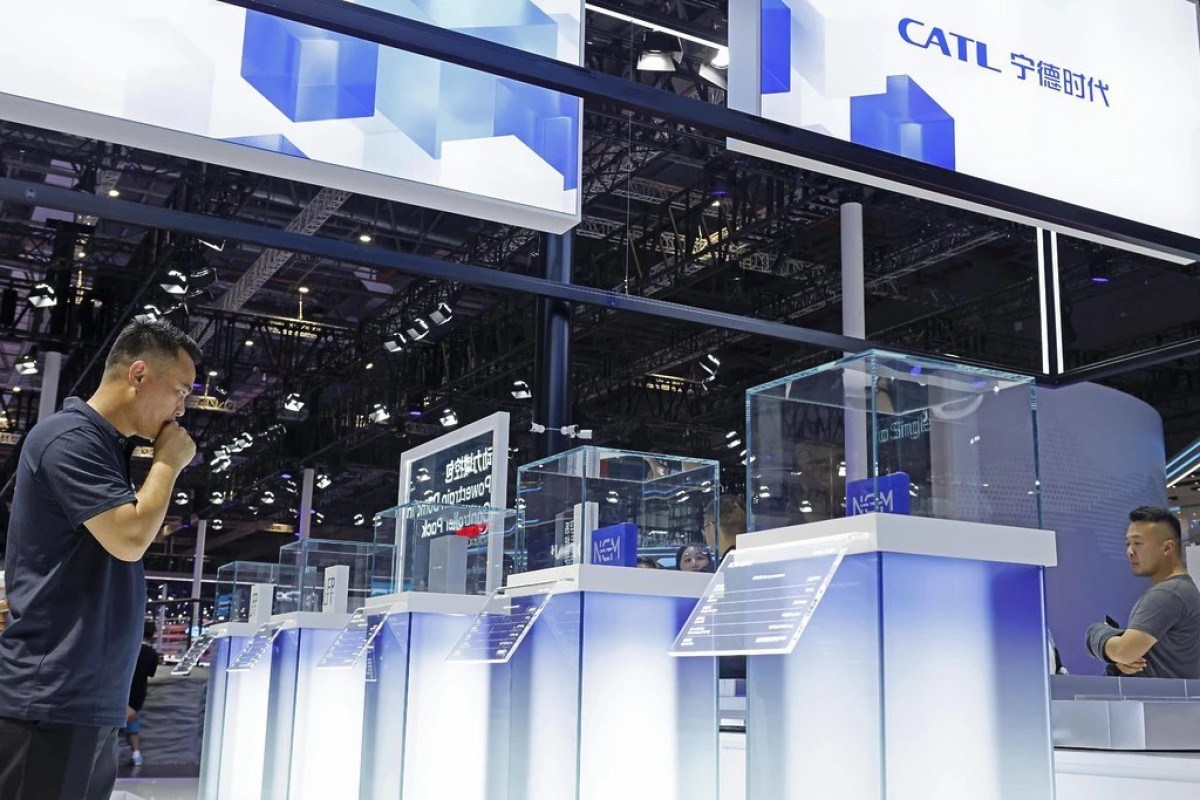
There is no dedicated European solid-state standard published yet. Japan has advanced R&D, but lacks an equivalent national mandate to enforce it. We're already seeing the results of this regulatory clarity on the ground. Doctex spun up a manufacturing facility in Tianjin producing certified solid-state cells with an energy density of 350 Wh/kg. Far from being some fragile lab prototypes - they are going straight into production vehicles, offering a 15% to 20% bump in real-world driving range.
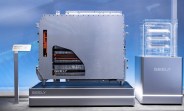
Not everyone is moving at the same pace. Geely is working to complete full vehicle validation and pack layout integration by the third quarter of 2026. BYD has mapped its solid-state development timelines closer to 2027. Saike Power is still pouring concrete for its 0.1 GWh sulfide pilot line down in Yibin, pushing actual machine testing to the final months of 2026. It highlights the massive capital divide between battery suppliers who are fully industrialized and those still chasing the chemistry.
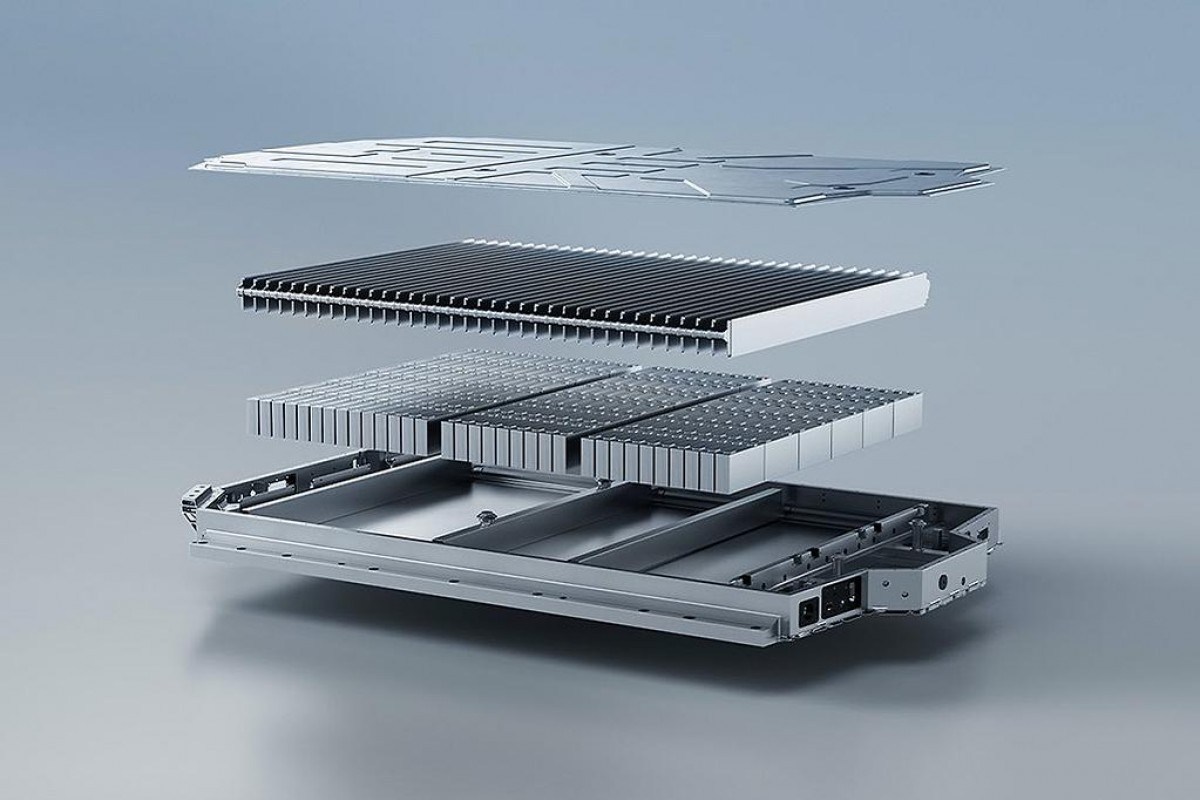
State-backed Dongfeng Motor is prepping a 0.2 GWh plant to integrate its own oxide-polymer hybrid cells into a fleet of 100 demonstration vehicles across Hubei province. They're targeting driving ranges pushing toward the 620 miles mark, which sounds absurd until you look at the validation data. During winter testing up in Mohe - one of the coldest places in China - these cells kept 72% of their energy capacity. They also survived high-temperature {{170ºC}} oven bake evaluations without losing structural integrity. That kind of thermal stability addresses the strict thermal runaway and single-cell failure requirements laid out in the mandatory GB 38031-2025 EV safety rules that arrived this summer.
The hardware needed to build these cells is also changing. Gotion High-Tech validated a pilot line using 100% locally manufactured machinery, integrating domestic slot-die coaters and high-pressure rollers into the factory floor. This cuts their reliance on international procurement entirely. When you eliminate overseas logistics bottlenecks and geopolitical tariff friction, the cost of scaling drops dramatically. Upgrading production lines with domestic equipment is projected to save the industry billions. It shifts initial factory budgets down to between RMB 400,000,000 and RMB 500,000,000 (roughly $59,000,000 to $74,000,000) per GWh.
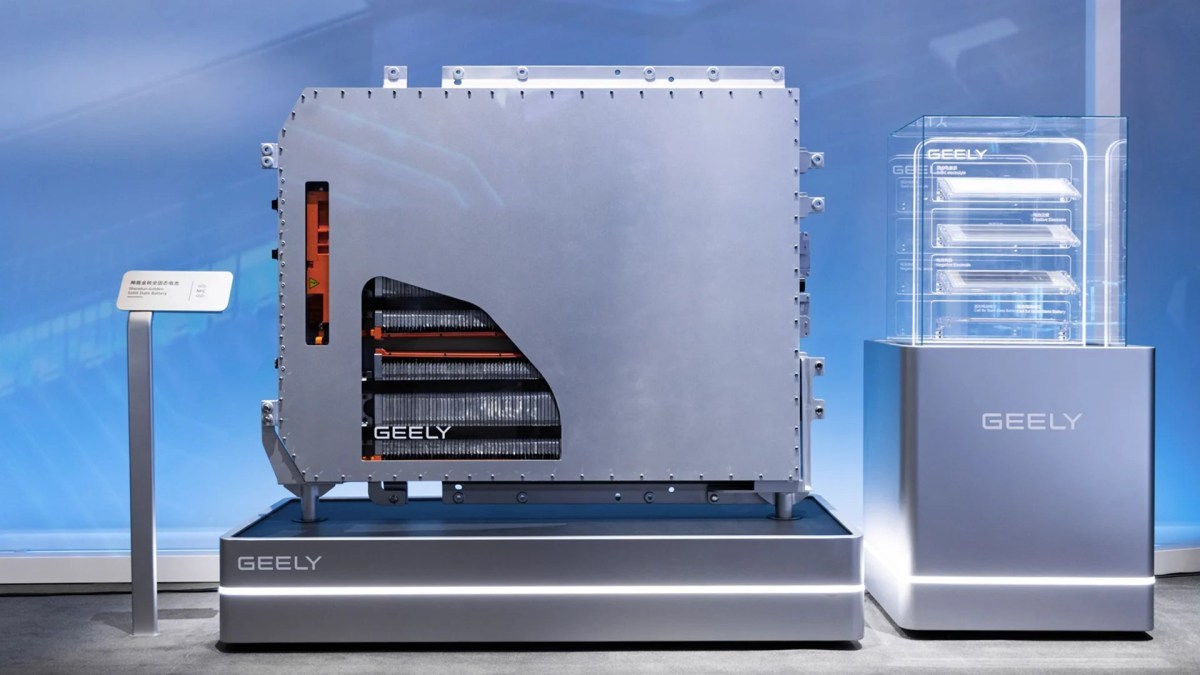
That financial insulation gives domestic brands a huge buffer against price wars. Western automakers simply don't have that localized machinery leverage yet. But having machinery readily available is only one part of this monumental shift. China is building a layered regulatory framework that scrutinizes every single component inside the pack.
The new GB/Z 214-2026 guidance document issued by the Ministry of Industry and Information Technology targets the solid electrolytes themselves. It establishes a uniform vocabulary and strict material parameters for suppliers, ensuring everyone evaluates the same physical characteristics in the exact same way. If an electrolyte material doesn't meet the baseline, it doesn't get CCC certification, and it won't be sold or imported into China. This prevents cell producers from swapping in cheaper, unverified electrolyte compounds to hit cost targets. It treats individual chemical components as distinct product categories with their own (enforceable) technical expectations.
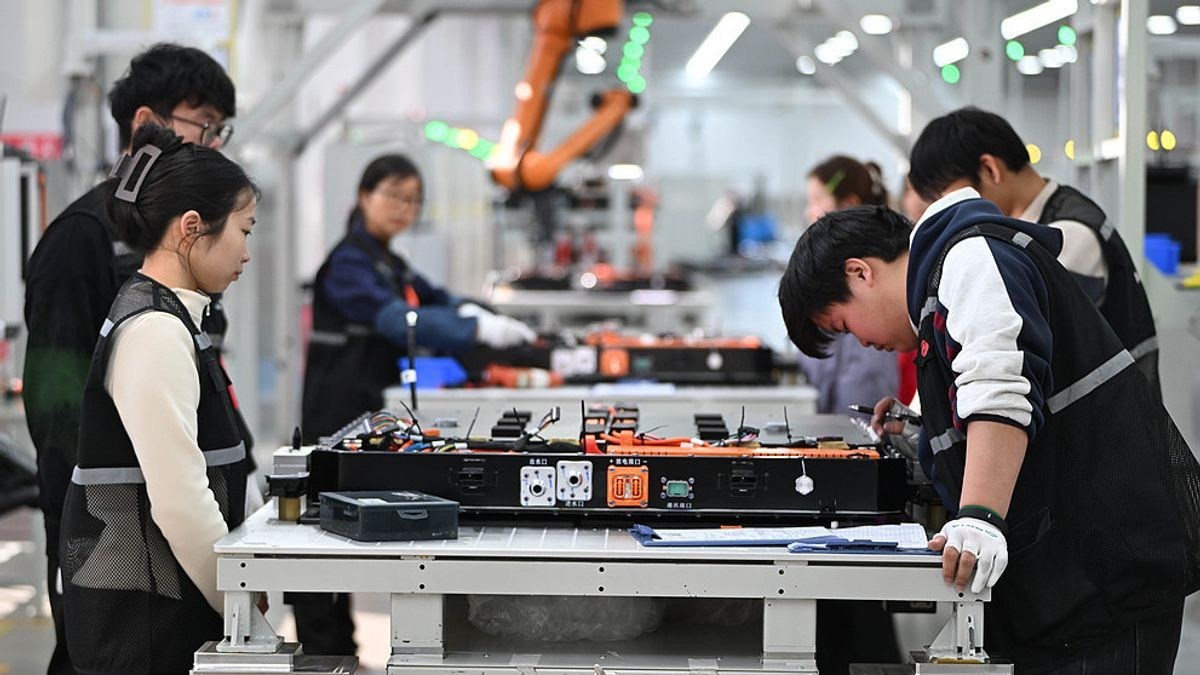
But even with this much manufacturing progress, we need to stay realistic about the timelines. CATL has openly acknowledged that widespread commercialization of true all-solid-state batteries will likely be restricted until 2030 due to anomalies in solid-interface resistance. The physics of moving ions through a solid medium at scale without degradation is still a big problem.
For now, conventional liquid setups will continue to reach high-volume delivery records. That is the reality of mass manufacturing - the transition simply won't happen overnight, but the technical and safety definitions are now set in stone. By drawing a hard line with the GB/T 43568-2026 classification and pushing it through the IEC, China has ended the era of vague battery marketing. The unified safety standards are next, and it won’t be long before China gets those rubber-stamped. Automakers who want to sell a premium solid-state electric vehicle will have to build one that passes all the tests. For European and American brands, the pressure might be too much. They will either engineer their upcoming platforms to meet a Chinese-authored standard, or they will sit on the sidelines watching the rest of the world adopt the new benchmarks.
-
 QuantumScape pitches peace in the solid-state battery war - always read the small print
-
 CATL calls for solid-state EV battery reality check
-
 QuantumScape hires Muehlbauer to build its first 100 MWh solid-state battery production line
-
 Geely says we will see its 500 Wh/kg solid-state in vehicles next year

From the team behind
GSMArena.com
Facebook
Twitter
Instagram
RSS
Settings
Log in I forgot my password Sign up