Skoda Epiq enters production in Spain
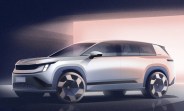
Skoda officially started production of its new Epiq model at the Volkswagen Navarra factory in Pamplona, Spain, introducing the cheapest battery-powered vehicle in the Czech manufacturer's lineup. The small SUV becomes an entry point for drivers who want to switch from ICE-powered vehicles to electric cars without spending a small fortune.
Historically, the company manufactured almost all of its vehicles within the Czech Republic. The Epiq breaks this tradition as the first Skoda vehicle built in Spain, following the Superb, which is manufactured in Slovakia. By shifting production to the Iberian Peninsula, the brand frees up manufacturing capacity at its main domestic facilities to keep up with the high demand for its other vehicles.
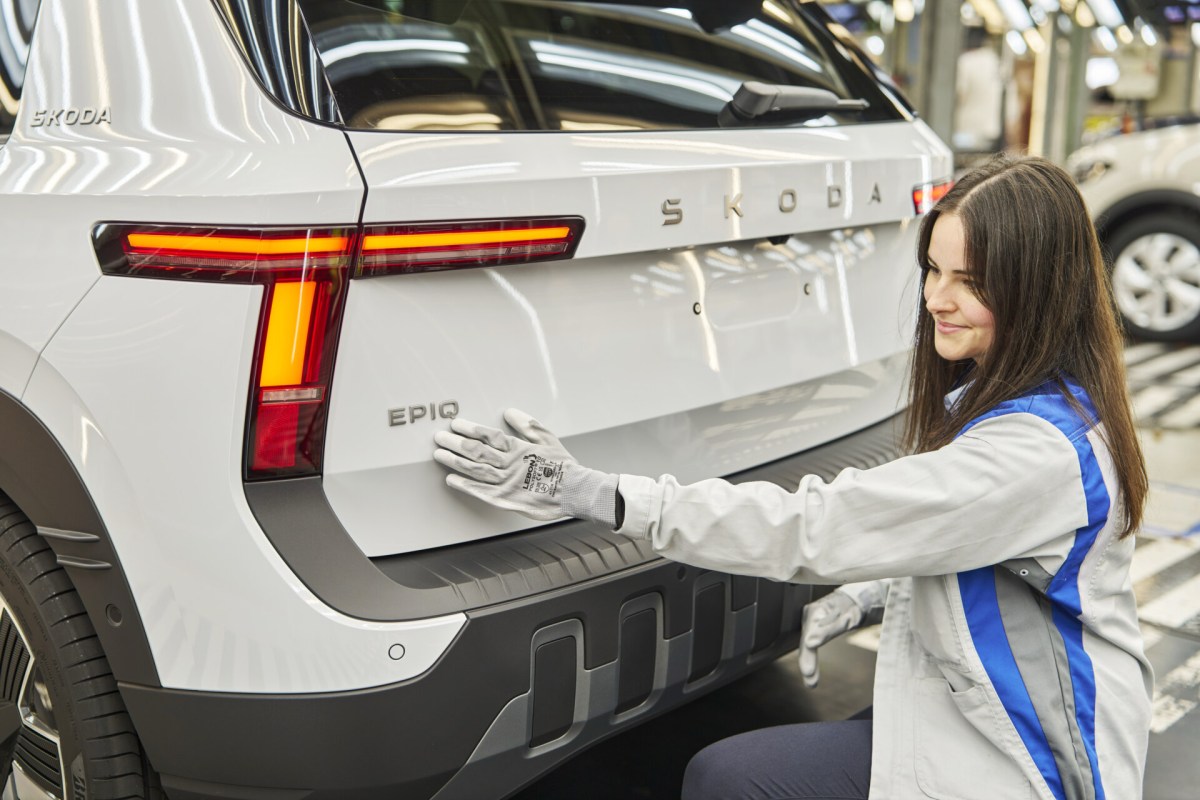
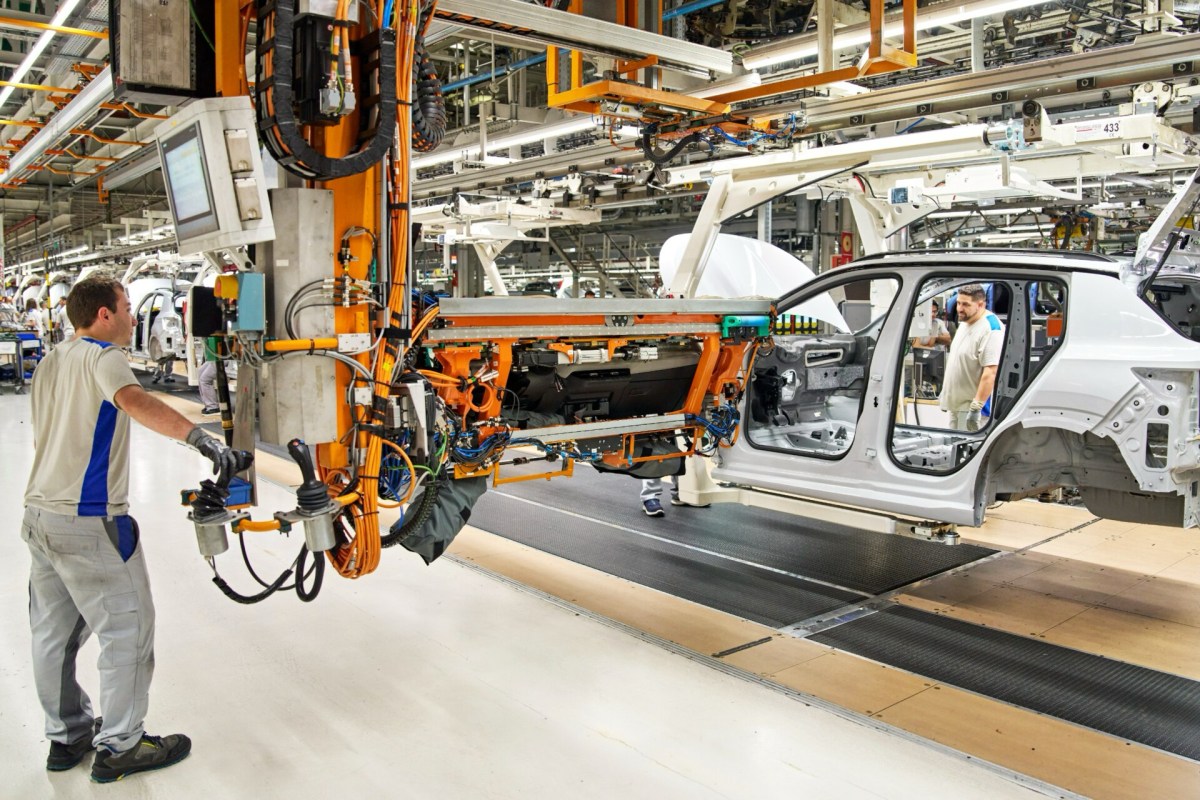
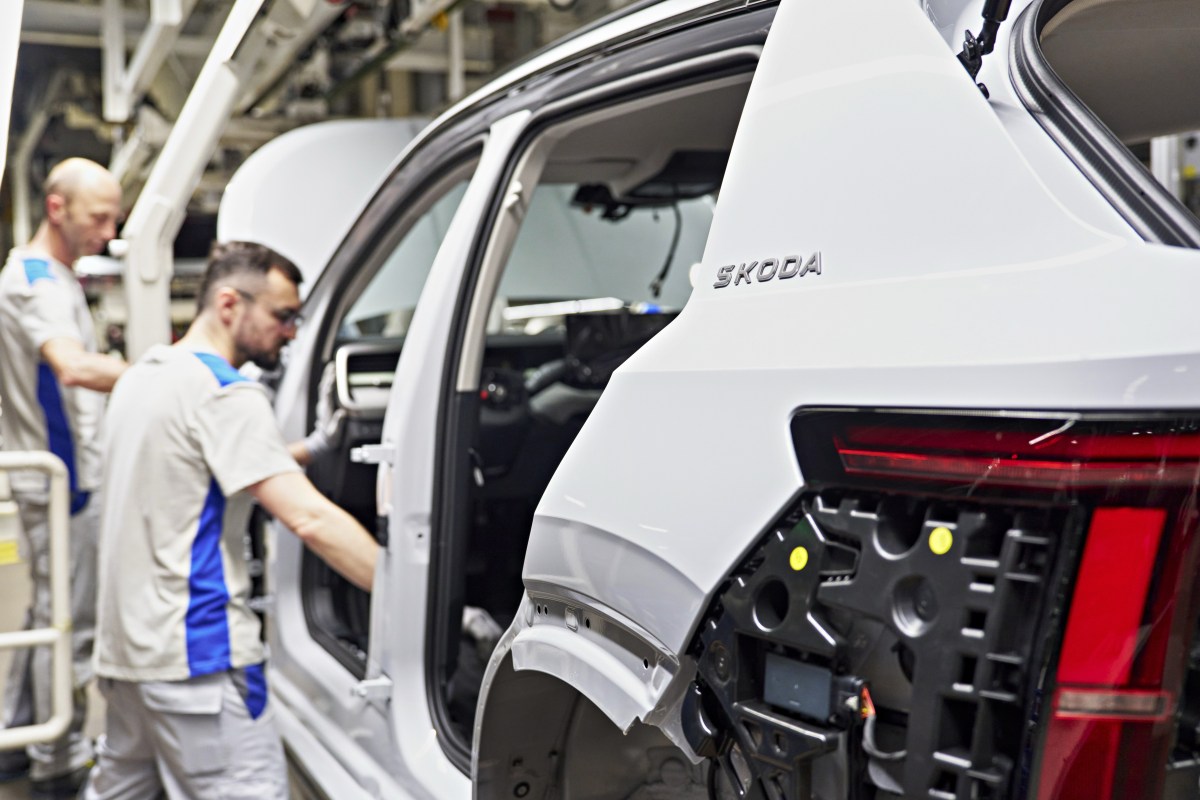
The Pamplona facility, operating since 1965, employs nearly 5,000 workers who assemble more than 1,400 vehicles daily. Before this electric transition, the factory built gasoline-powered Volkswagen models like the T-Cross and Taigo. The facility has been upgraded so that regular gasoline cars and new EVs move down the exact same assembly lines, giving the factory the flexibility to alter production numbers quickly if market demand changes.
The new Epiq uses the latest MEB+ mechanical architecture developed by the Volkswagen Group. This platform maximizes interior cabin room while keeping the exterior body small and easy to park in crowded European cities. The vehicle is also the first production model to fully showcase the company's new design direction, which the brand calls "Modern Solid."
Buyers can choose between different battery sizes and electric motor outputs ranging from 85 kW up to 155 kW. The largest available battery pack promises a driving range of approximately 273 miles on a full charge, making it practical for both daily city commutes and longer highway trips. Skoda also fitted electronic safety systems and driver assistance features that are usually reserved for larger, more expensive vehicle classes.
Price is the brand's favorite tool to attract buyers. The base version starts at $30,500, making it quite competitive against cheap combustion vehicles and budget EV imports. Skoda clearly wants to prove that European automakers can build affordable EVs locally, keeping solid safety standards and modern tech.
The Epiq is not acting alone. It belongs to a broader corporate strategy called the Electric Urban Car Family, organized by the Volkswagen Group. Four distinct vehicles from Cupra, Volkswagen, and Skoda will all share the same Spanish production network - Pamplona will build this SUV and the upcoming Volkswagen ID. Cross, and other Spanish facilities will handle the Cupra Raval and the Volkswagen ID. Polo.
The strategy allows all brands belonging to VW to share development costs, buy materials in bulk, and lower the final price for consumers. Skoda plans to grow its EV selection before the end of the year with the upcoming Peaq, but the new Epiq will carry the burden of expanding the brand's share of the affordable EV market.

Reader comments
- verde
- LaK
This website looks almost abandoned. No Epiq specifications page, four months after Skoda provided them to the public. Too bad.

From the team behind
GSMArena.com
Facebook
Twitter
Instagram
RSS
Settings
Log in I forgot my password Sign up