Tesla's European sales dip again as competitors surge
The European car market is going through a massive shift, but one of its biggest names appears to be heading in the wrong direction. The latest data from the European Automobile Manufacturers' Association (ACEA) revealed that Tesla registered only 8,075 vehicles across the European Union, the UK, and EFTA countries in January 2026. This 17% drop, compared to January the year before, is surprising because the overall market for electric cars actually grew by 13.9% during the same period.
As Tesla struggled, other companies saw a huge boost in interest. A total of 189,062 EVs were registered across the region in January, up from 165,930 a year ago. This means that electric cars now make up 19.3% of the market share in the EU, a big jump from the 14.9% share they held in early 2025. Without Tesla's dragging numbers, the growth for other brands would have been even higher at nearly 16%.
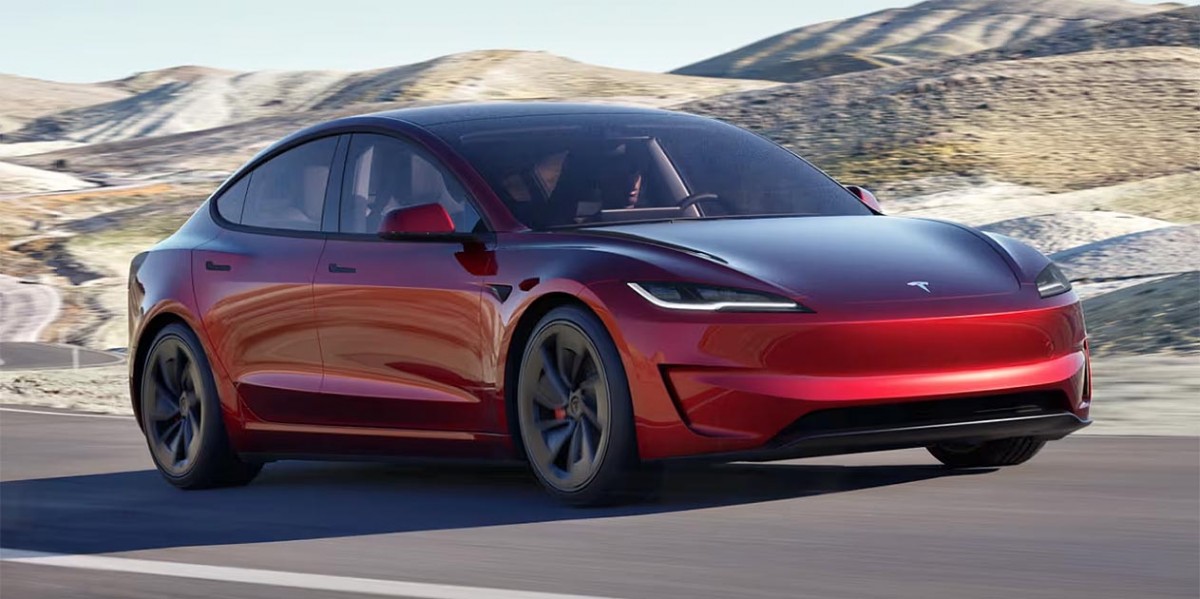 Tesla Model 3
The most striking contrast comes from the Chinese automaker BYD. In January 2026, BYD registered 18,242 vehicles, which is a massive 165% increase from the previous year. To put that in perspective, BYD sold more than double the number of cars that Tesla did in the region. BYD holds a 1.9% market share in the EU, UK, and EFTA combined, while Tesla has slipped to just 0.8%.
Last year, many people thought Tesla's low numbers were just a temporary phase. In early 2025, the company was busy updating the Model Y to the new "Juniper" version. At the time, supporters said the sales dip happened because people were waiting for the new version to arrive, but that excuse no longer works. The refreshed Tesla Model Y has been available for months, and yet the numbers are still falling.
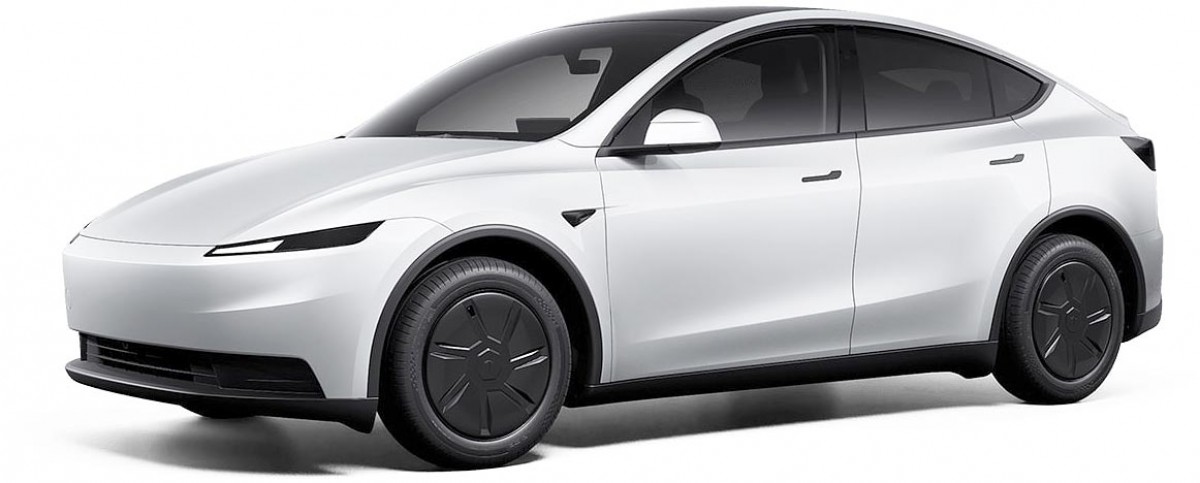 Tesla Model Y
In the EU specifically, the decline for Tesla was a smaller 1.6%, with 7,187 vehicles registered. However, the situation was much worse in the EFTA markets, especially in Norway. Total new car sales in Norway plummeted by 76.3% after the government ended tax breaks for expensive cars. Because Tesla used to be the top brand in Norway, it felt this change more than anyone else. While Tesla hit a wall, the broader market continued to move away from fossil fuels.
The demand for traditional gas and diesel cars is shrinking fast. Petrol car registrations in the EU dropped 28.2% in January, with huge declines in France and Germany. Diesel cars also fell by over 22%. Combined, gas and diesel cars now make up only about 30% of the EU market, down from nearly 40% just a year ago. Many drivers are choosing plug-in hybrids instead, which saw a 32.2% increase in registrations this month.
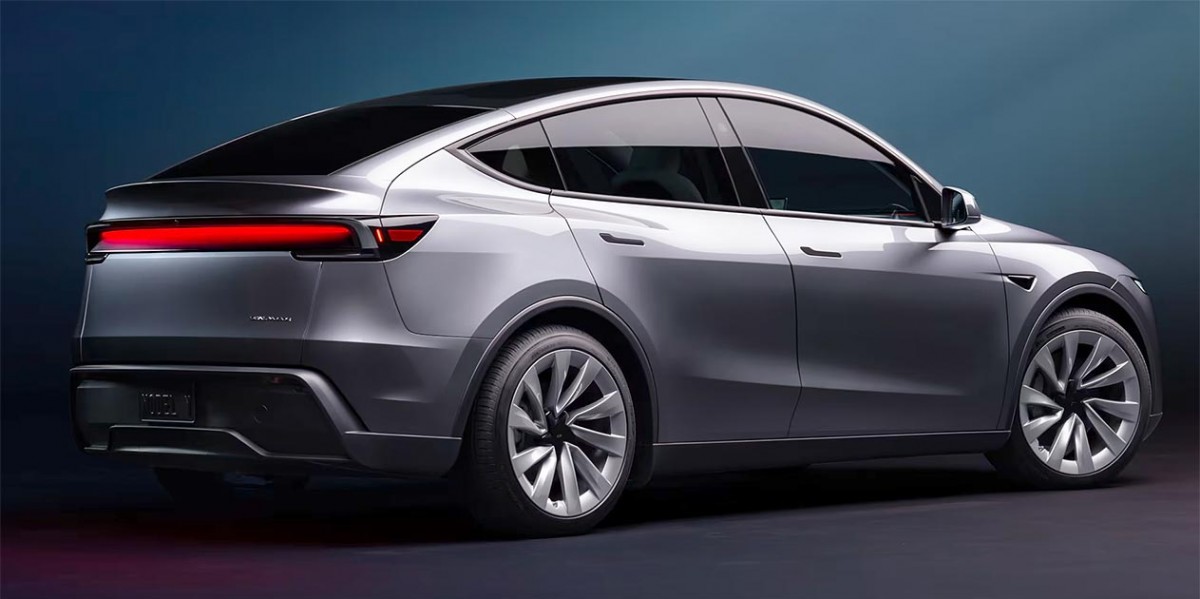 Tesla Model Y
Other traditional car makers are also finding ways to grow despite the changing economy. Stellantis, the company that owns brands like Fiat and Opel, grew by 6.7% to over 164,000 units. Fiat alone saw a jump of nearly 25%. Even though Volkswagen Group saw a small 3.8% dip, it still remains the king of the market with a dominant 26.7% share.
Tesla now faces a difficult road ahead in Europe. Between the end of government subsidies and growing competition from brands like BYD and Stellantis, the American company is losing its grip on the region. If the company cannot find a way to stop this downward trend soon, it may find itself pushed to the sidelines of one of the world's most important EV markets.





From the team behind
GSMArena.com
Facebook
Twitter
Instagram
RSS
Settings
Log in I forgot my password Sign up