UK caught between Brussels and Beijing with 45% EV tariffs on the table
Britain has arrived at a multi-billion-pound fork in the road: which way will this island nation genuinely be better off? Do we keep enjoying the growing choice of ultra-affordable Chinese electric cars, or do we fall in step with Brussels and put up steep trade barricades to protect our deeply integrated domestic manufacturing base? It is a polarized dilemma with no polite middle lane, and whichever exit ministers choose in the next few weeks will change our automotive landscape for generations to come.
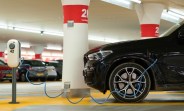
To appreciate why avoiding tariffs is so attractive, you only have to look at the daylight robbery taking place over the past five years. From the start, the government's grand push toward total electrification has felt like an exclusive club for company-car fleets and high-net-worth individuals. Legacy European brands have been demanding upwards of $61,800 for modest family hatchbacks that struggle to manage 200 miles of real-world cruising. China's state-backed Jaecoo arrived into that giant void of affordability, offering tech-laden electric cars for under $34,300. For everyday commuters struggling with runaway mortgages and grocery bills, these vehicles are a lifeline to clean and cheap transport.
Open-market competition has always been the catalyst that makes cars brilliant. When companies are protected behind artificial regulatory moats, engineering ambition quickly goes soft - you end up with sluggish user interfaces and insulting price tags because the buyers have nowhere else to run. The arrival of Chinese brands - which captured nearly a quarter of all British new-car sales in September - has set fire under legacy automakers. It forced them to confront their overheads, streamline battery sourcing, and wonder why their own digital dashboards feel like tablets from a decade ago. Slapping a retaliatory 45% tariff on imports hits the pause button on that rivalry, rewarding mediocrity while leaving British drivers to foot the bill.
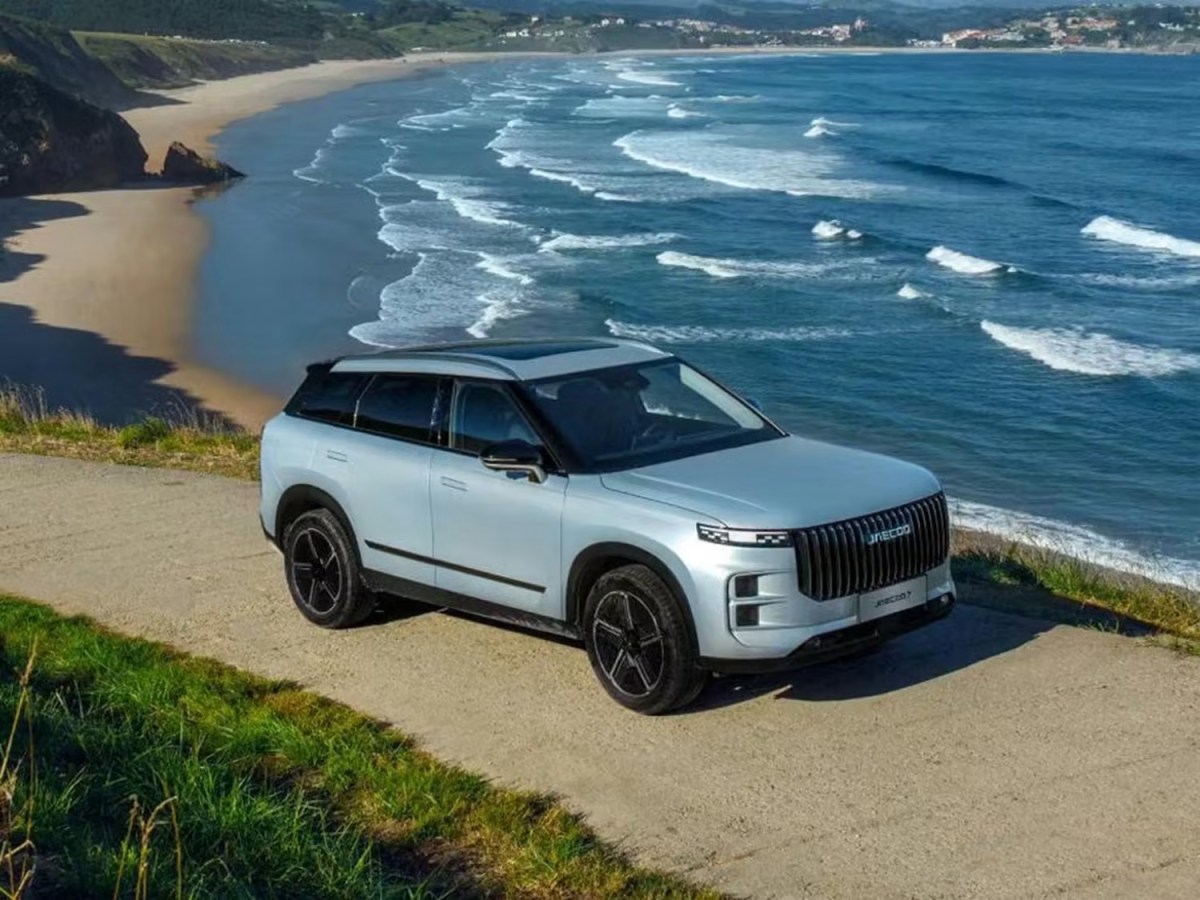
There is also a post-Brexit diplomatic argument echoing through Whitehall - it's all about sovereign commercial freedom. By refusing to copycat the European Union (duties ranging from 7.8% to 35.3% on Chinese battery models from 2024), London can present itself as a pragmatic trading partner. Chinese goods already cover 11% of all British merchandise imports, and Beijing wants stable Western markets that have not closed their ports. The theory goes that maintaining tariff independence gives Downing Street bargaining chips at the negotiating table, potentially enticing major Asian battery producers and manufacturers to build state-of-the-art facilities directly on British soil. It is a seductive vision of Global Britain as a dynamic free-trade bastion, not bothered by continental protectionism.
Unfortunately, you can talk about independent trade agreements as much as you want, but freight logistics and supply chains are unforgiving. The European Union absorbs roughly 60% of all cars exported from our shores, compared to 4% destined for China. Bilateral trade between the British and European automotive sectors is worth $94 billion every year - endangering that to shave a few grand off imported hatchbacks might not be the wisest move.
The issue here is the European Commission's "Made in Europe" legislation. Policymakers in Brussels are busy constructing fortress-like industrial rules designed to funnel subsidies, public procurement contracts, and consumer incentives toward vehicles built in Europe. European officials have made their ultimatum clear to Prime Minister Andy Burnham: Britain must align with continental duties on Chinese electric vehicles or prepare to be locked out of the single market's industrial framework.
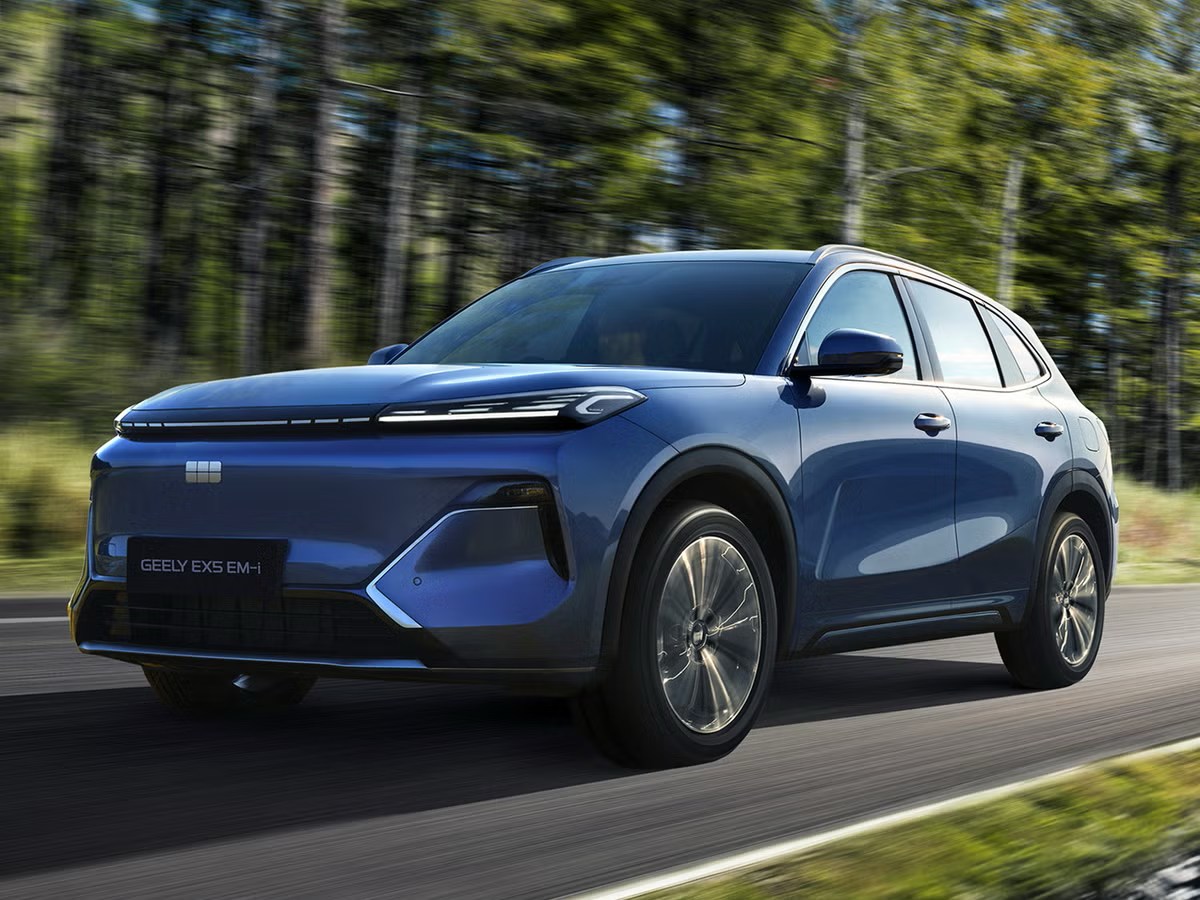
Brussels is worried that an unaligned Britain would quickly turn into a back door, allowing Asian components and finished vehicles to slip into Europe untaxed. But moving away from the bloc's tariff wall would see British-built cars stripped of their EEC status, stranding UK assembly plants on the wrong side of European customs barriers.
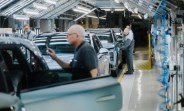
But look at the assembly lines in Sunderland or the engine plants across the Midlands, and the question of which way is Britain better off gets really serious. Tens of thousands of highly skilled, high-wage jobs depend on delivery trucks rolling off cross-Channel ferries every hour. Nissan wasn't exaggerating when it warned ministers that failing to adjust tariffs risks turning the country into a transit corridor. If British-assembled cars are shut out of European procurement schemes, the export volume that keeps the factories open will disappear overnight. A nation cannot build a strong future by buying cheap imported cars if its workers lose jobs that pay to buy them in the first place.
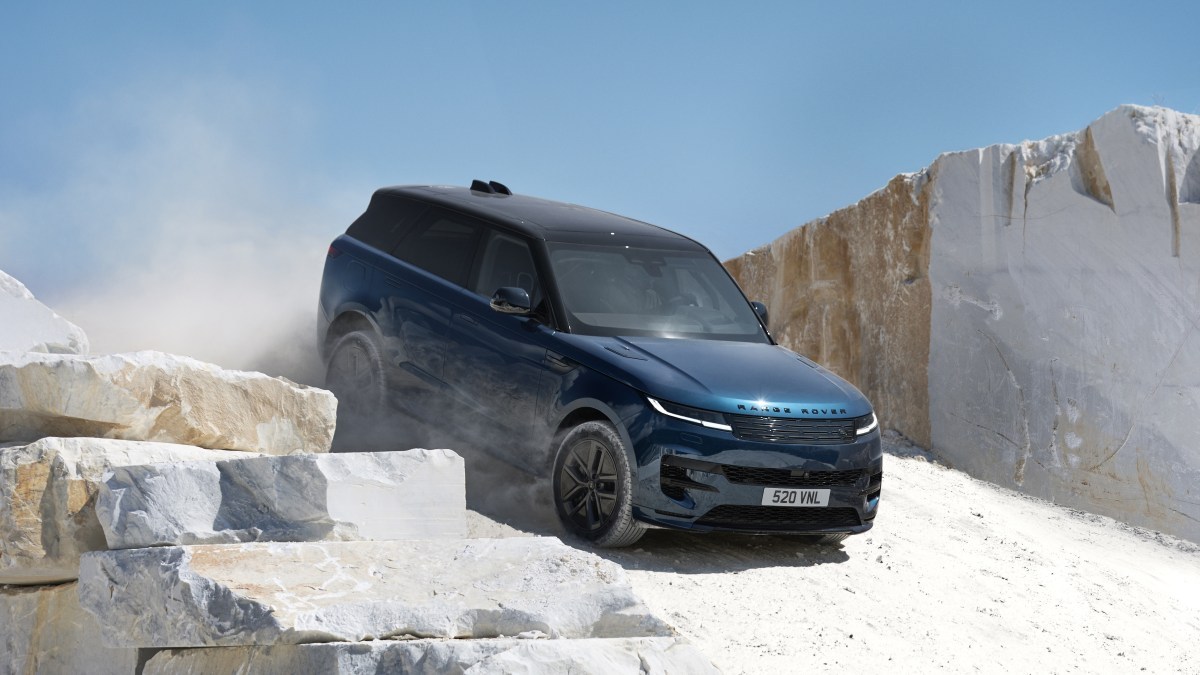
Then there is the diplomatic hostage trapped right in the crosshairs: Jaguar Land Rover. While volume producers like Nissan and Mini focus on European buyers, JLR has spent over a decade feeding on the appetite of the Chinese luxury market. But competition from homegrown Chinese electric off-roaders and shifting consumer loyalties saw JLR's sales in China drop from 146,000 units in 2017 down to 62,400 vehicles in the last financial year. If Britain puts up massive tariffs on Chinese models, Beijing will strike back with retaliatory levies targeting the new Range Rover Sport. Government insiders have concluded that while denting JLR's Chinese balance sheet is a painful blow, cutting off the British automotive industry from Europe would be a fatal mistake.
Once you strip away the political grandstanding, where does the national interest lie? If your idea of being better off begins and ends with letting a private individual lease a brand-new electric crossover for $343 a month, then keeping the borders open and laughing off European tariffs feels like a victory. It supercharges the transition away from fossil fuels, breaks the pricing power of legacy manufacturers, and puts fresh tech on every driveway. But a country cannot survive as a consumer of foreign state subsidies while dismantling the industrial muscle that pays its tax base. Cheap cars are a hollow triumph if they are bought on the ashes of our domestic manufacturing sector, leaving our skilled workforce with nothing to build and nowhere to export.
Britain's long-term prosperity seems to be tied to keeping the European Union on its side. Falling into line with Brussels is a bitter blow to trade autonomy, and it will inflict short-term pain on car buyers. But tariff independence is worthless if it isolates your country from the $94 single market that keeps your production lines on. Choosing cheap Chinese imports without tariffs would buy consumer euphoria for a brief moment, only to leave our automotive towns devastated and our assembly plants gone. Swallowing the tariff pill and standing shoulder-to-shoulder with Europe is the harder, more expensive route, but it is the only road that keeps Britain's industrial engine running. And the next logical step is to convince the Chinese automakers to start making EVs in the UK.


From the team behind
GSMArena.com
Facebook
Twitter
Instagram
RSS
Settings
Log in I forgot my password Sign up