New Chinese regulations spell out the end of the yoke
Many people thought that the yoke-type steering wheels were the future of electric cars. Tesla isn't the only EV company that introduced them to its cars - quite a few manufacturers around the world followed that trend. However, China's safety experts have decided that these designs are not safe for the road. A new law is coming that will likely make these trendy wheels disappear from the world's biggest car market.
China's Ministry of Industry and Information Technology shared a new set of rules called GB 11557-202X. This document focuses on protecting drivers from being hurt by their own steering wheels during a crash. The new rules, which kick in on January 1, 2027, have one very important change: they removed all the special rules that allowed half-steering wheels to exist. Without those rules, it becomes almost impossible for a car company to sell an EV with a yoke in China.
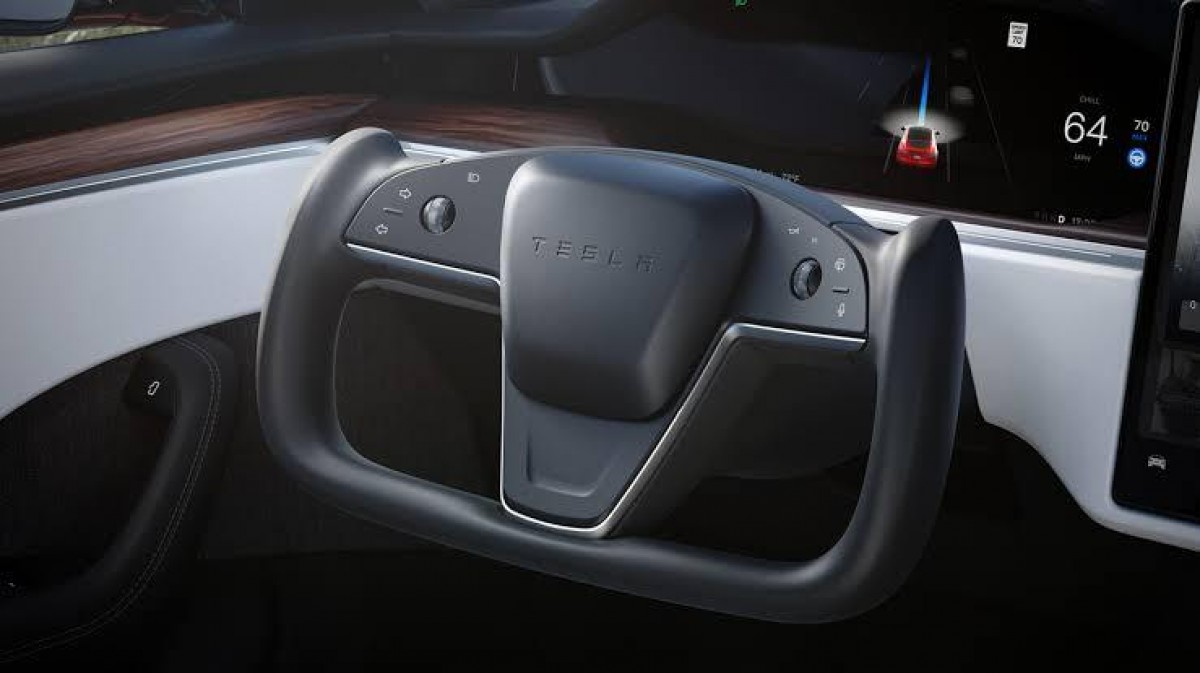
The current safety rules have been around since 2011. Since then, electric cars have changed a lot. The new rules are much tougher. For example, they lower the amount of force allowed during a crash test to 11,110 Newtons, matching international safety standards. The new law also says that every single car model must pass a "human impact" test. In the past, some cars could skip this, but now there are no exceptions.
One of the biggest problems for yoke wheels is how they are tested. To pass safety checks, a steering wheel must be hit at ten different spots to see how it bends and breaks. Some of these spots are at the very top of the wheel. If you are using a yoke like the ones found in a Tesla or a Lexus, those top spots simply do not exist. You cannot test the top of a wheel that isn't there. This makes it a "failing grade" before the test even starts.
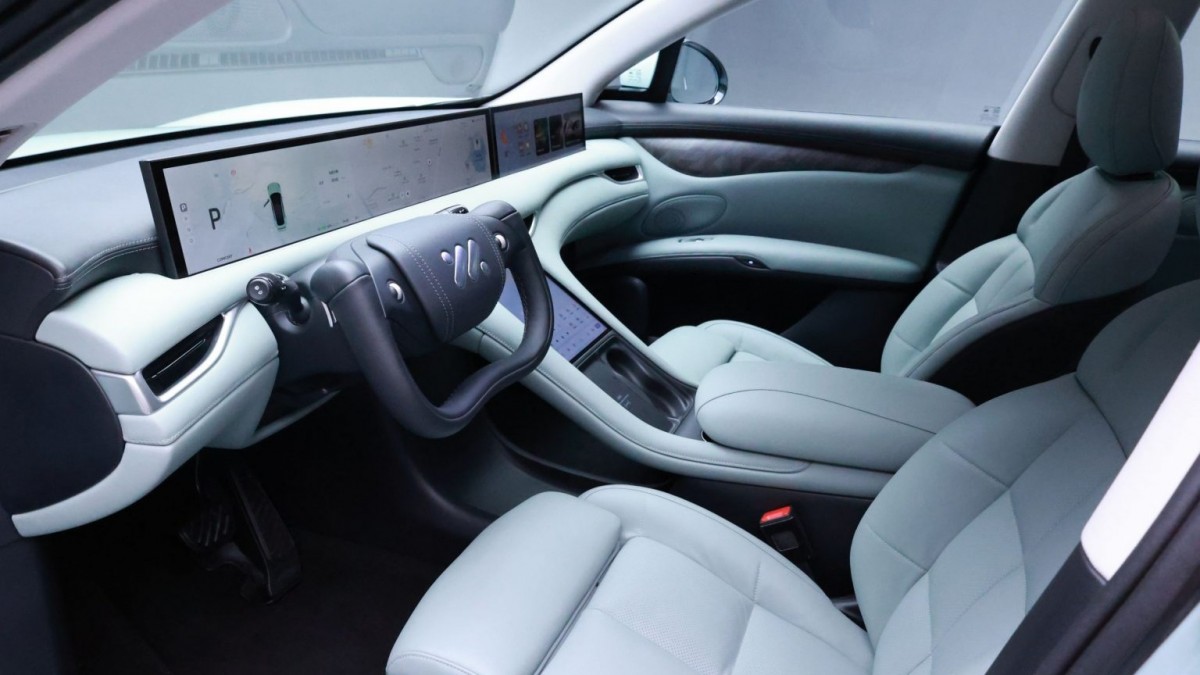
Safety numbers show why the government is worried. Statistics suggest that 46% of driver injuries in accidents come from the steering mechanism. A traditional round wheel acts like a big cushion if your body flies forward. With a yoke, there is a big empty space at the top. This allows a driver's body to slide past the wheel and hit the dashboard or the windshield - a recipe for a much worse injury.
Airbags are another big concern. When an airbag explodes out of the center of a steering wheel, it happens in a split second. The new rules say that no hard pieces of metal or plastic can fly toward the driver when this happens. Because yoke steering wheels have strange shapes and different supports, they break in ways that are hard to predict. Chinese safety experts found it difficult to prove that a yoke won't turn into a tray of flying plastic bits during a crash.
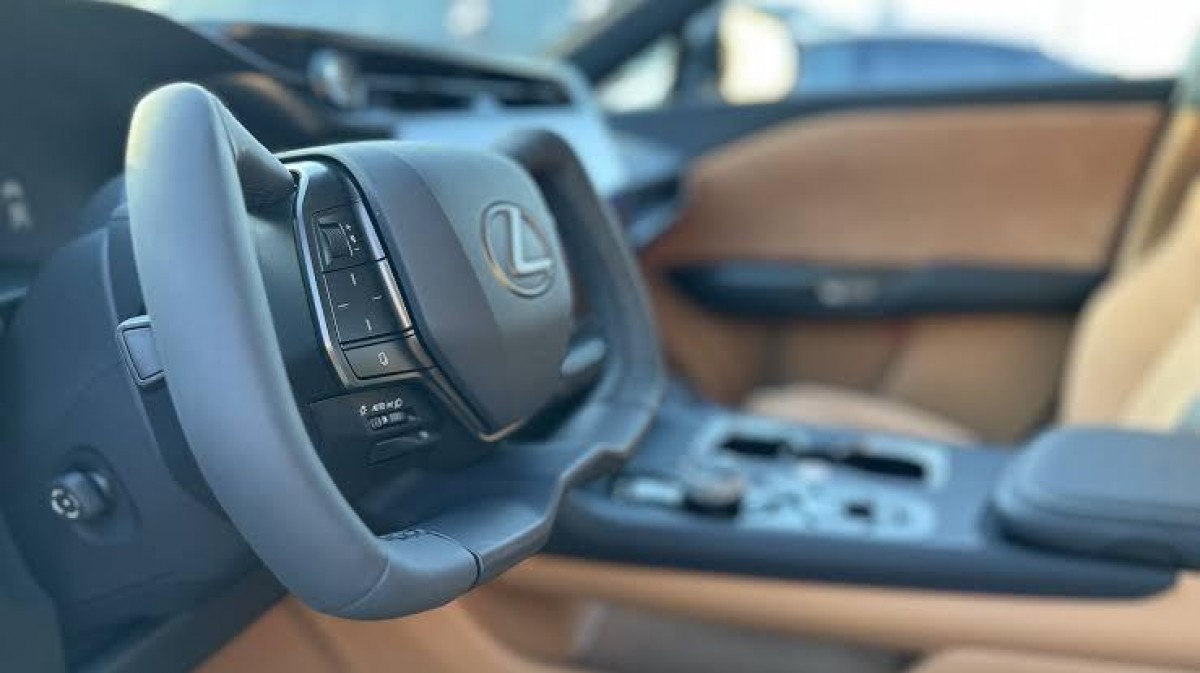
When the new rules arrive in 2027, every new car model will have to follow them. Car brands like IM Motors and Jiyue that already sell cars with yokes will probably get about 13 months to change their designs. It looks like the steering wheel of the future is going to look a lot like the steering wheel of the past: a simple, safe circle.



From the team behind
GSMArena.com
Facebook
Twitter
Instagram
RSS
Settings
Log in I forgot my password Sign up