Tesla FSD v14.3 makes its EVs react faster than ever
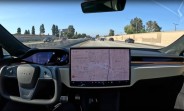
Tesla released a major update for its FSD software, and it is more than just a few small bug fixes. This latest version, known as v14.3 (software version 2026.2.9.6), changes the way the car thinks and acts. The biggest news is that the car can now react 20% faster than it did before. For anyone driving a Tesla, that extra speed could be the difference between a smooth stop and a scary moment on the road. This update targets the newest hardware, which Tesla calls AI4 or HW4. It covers the Model S, Model 3, Model X, Model Y, and the Cybertruck.
The secret behind this speed boost is a complete rewrite of the software's "brain." Tesla engineers used a new set of tools called MLIR to rebuild how the car processes information. Interestingly, these tools were created by Chris Lattner, a famous software expert who worked at Tesla for a short time years ago. By rebuilding the system from the ground up, the car does not have to work as hard to understand what its cameras are seeing.
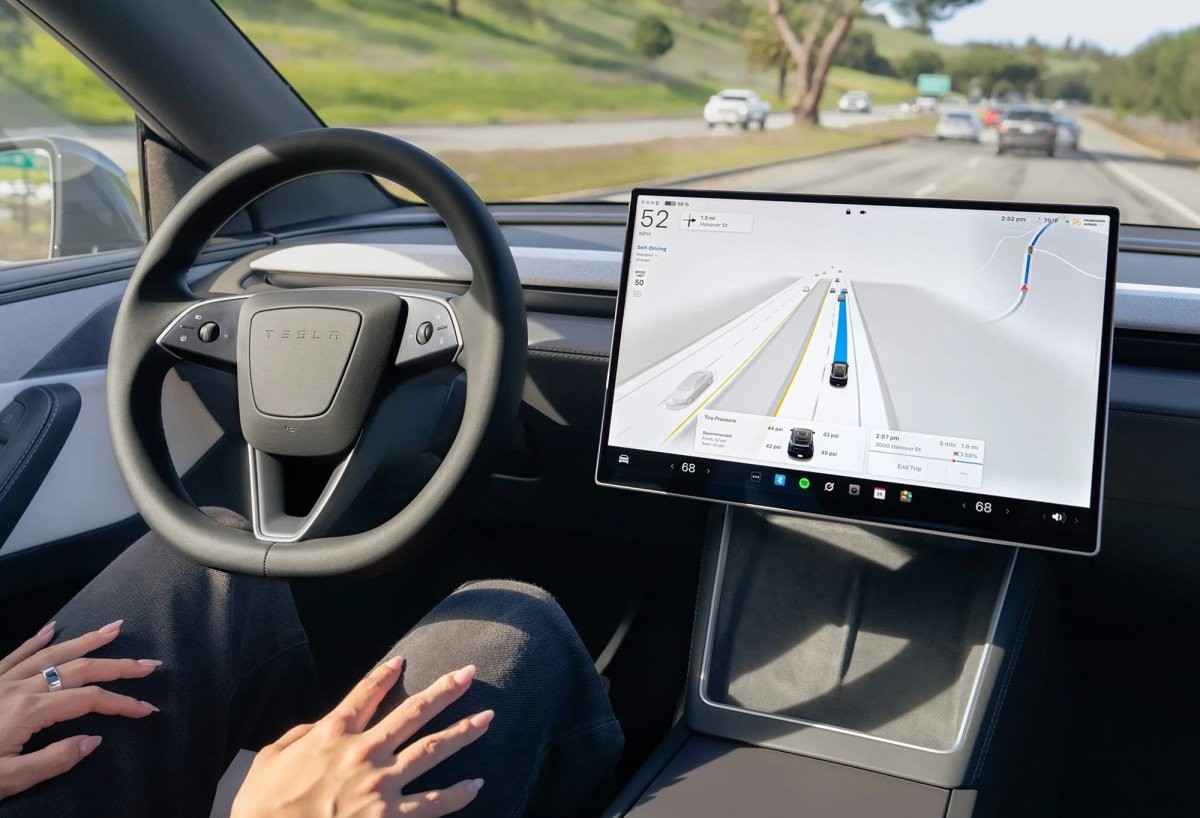
Tesla updated its vision system as well to better understand 3D shapes and rare objects. This means the car is less likely to be confused by strange-looking trucks or items hanging over the road. It also understands traffic signs better now. The update also uses "Reinforcement Learning." This is basically a way of teaching the car by rewarding it when it does something right and correcting it when it makes a mistake. Tesla used data from millions of miles driven by real people to teach the car how to handle tricky spots, like curved roads or intersections with lots of different lights.
One of the most annoying things about older versions of the software was how the car acted in traffic. Sometimes it would follow too closely or stay in the wrong lane for no reason. Tesla says version 14.3 fixes these "tailgating" behaviors. The car should now feel more like a human driver who knows how to keep a safe distance of several meters from the vehicle in front. It also got better at spotting small animals. Instead of being surprised by a squirrel or a cat, the car is now trained to be more proactive and move safely away before a problem happens.
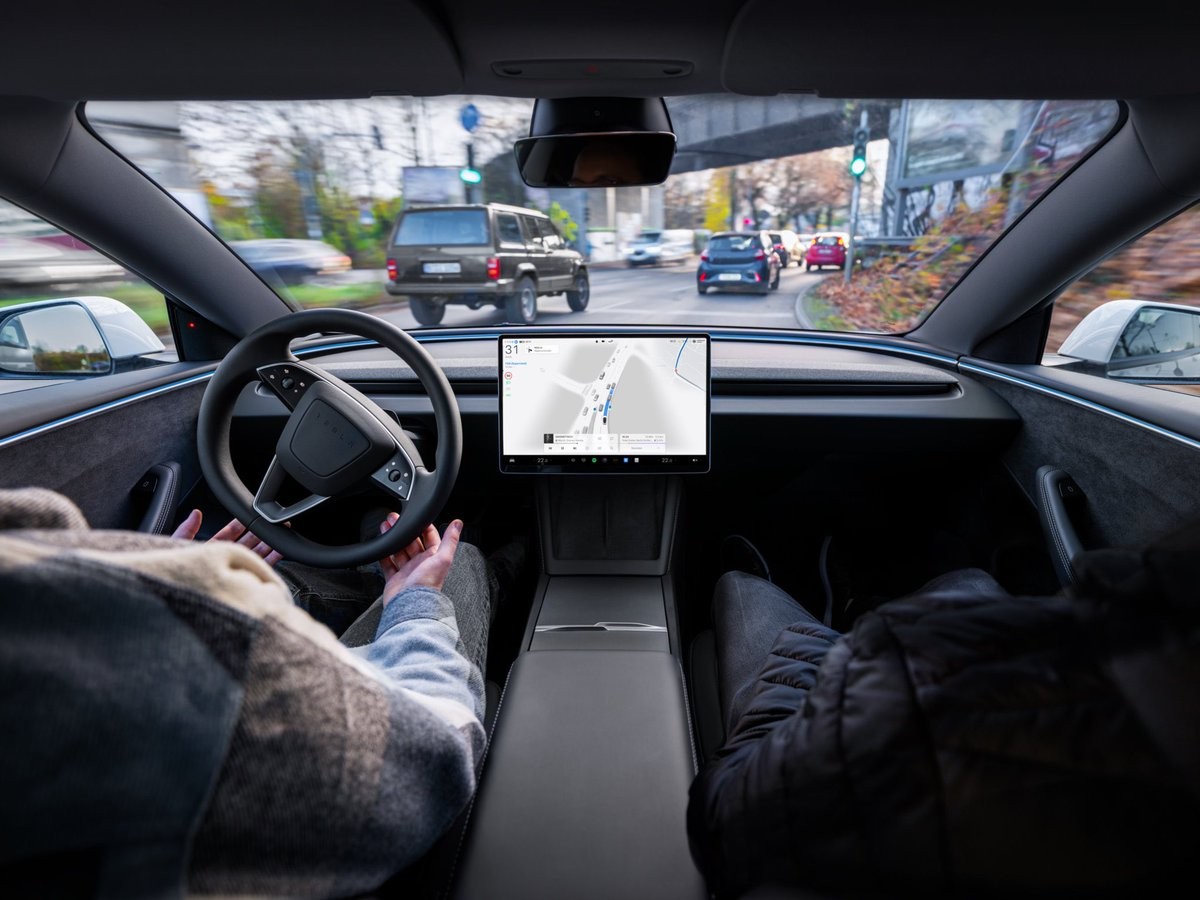
School zones and emergency scenes are also easier for the car to navigate now. The software is better at identifying school buses and ambulances. It knows to give them extra space and respect their right-of-way. This is a big step for electric cars because these are "edge cases" that often confuse even the smartest computers. If the system has a tiny glitch or a camera gets a bit blurry for a second, the car can now recover on its own without asking the human driver to take over immediately. This makes the ride feel much smoother and less nervous.
Parking has also received a much-needed upgrade. Many owners complained that their cars would enter a parking lot and then act like they couldn't decide where to go, hesitating or picking a spot and then changing their mind. With v14.3, the car is much more decisive. It even puts a little "P" icon on the map to show you exactly where it plans to park before it starts moving. No more wandering around the lot like a lost student on the first day of school.
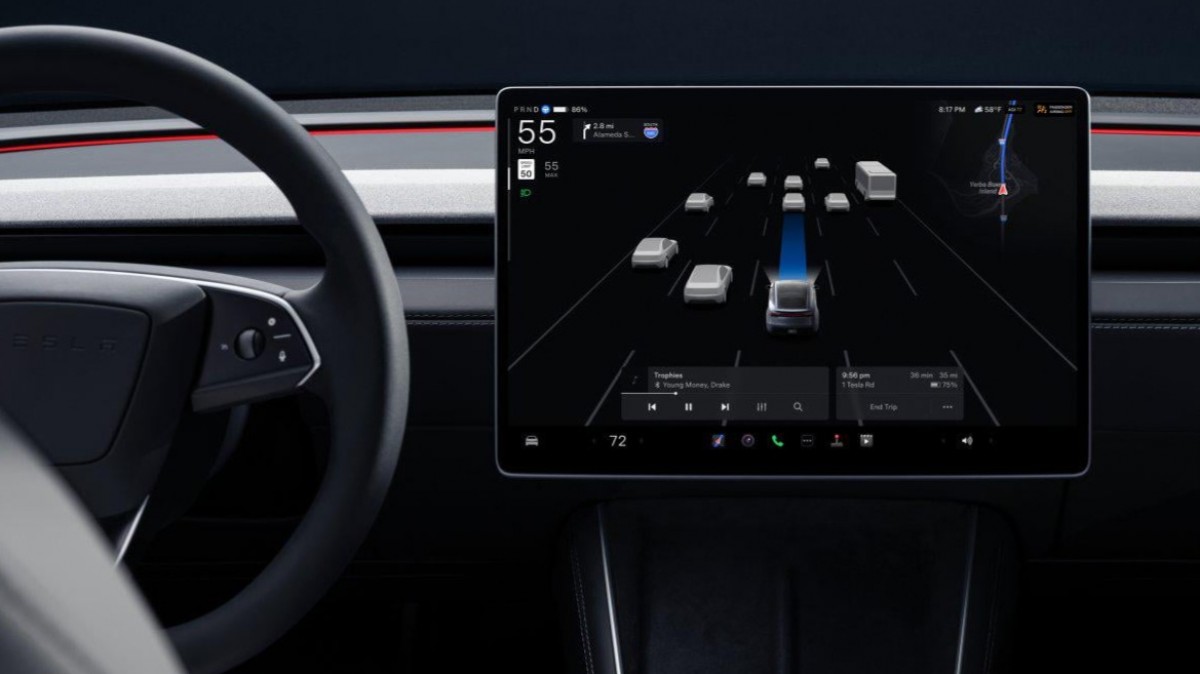
If you own an older Tesla with Hardware 3 (HW3), there is some bad news. This update is only for the newer AI4 hardware. Tesla seems to be focusing all its energy on the newest chips, which might leave owners of older EVs feeling a bit left behind. It is a reminder that in the world of high-tech cars, your "engine" is actually a computer, and computers eventually get old. Tesla also changed the names of things in the car's menu. The word "Autopilot" is mostly gone, replaced by "Self-Driving" - the company wants to be very clear about what the car is trying to do, even if a human still has to keep their eyes on the road.
Tesla says more changes are coming soon. The cars will eventually be able to dodge potholes and track the driver's eyes more accurately. This will help make sure people are actually paying attention while the car does the work. For now, the 20% faster reaction time is the star of the show. Whether you are driving a sleek Model 3 or a massive Cybertruck, having a car that thinks faster is always a good thing.
Via

From the team behind
GSMArena.com
Facebook
Twitter
Instagram
RSS
Settings
Log in I forgot my password Sign up