Tesla owners in Europe start legal fight over Full Self-Driving promises
Tesla received good news in the Netherlands this week. The local vehicle authority, known as the RDW, gave the green light for the company to launch its Full Self-Driving (FSD) software. This is a big step for EVs across the European Union, but this big win for the company turned into a headache for many long-time fans. The new software is finally arriving, but it only works on the newest cars. People who bought Teslas just a few years ago are finding out their hardware might not be good enough.
One of these frustrated owners is Mischa Sigtermans. He bought a Tesla Model 3 back in 2019 and was one of the first people in the Netherlands to own one. At the time, he paid $7,500 for the FSD package. He believed his car would eventually drive itself. After waiting seven years for the feature to arrive, he realized his car was being left out of the party. The new approval only applies to cars with "AI4" hardware. His car uses the older "Hardware 3" (HW3) computer.
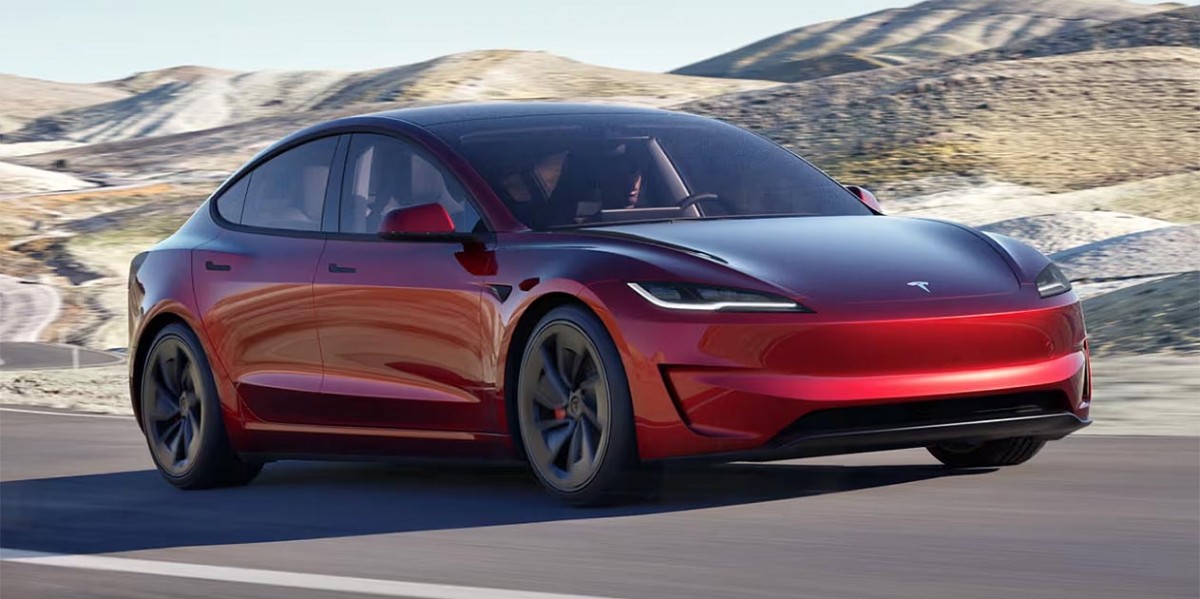
Rather than sitting around and complaining, Sigtermans started a website called hw3claim.nl to gather other owners who feel cheated. He wants Tesla to pay back the money or fix the cars. On social media, he told other owners that Tesla owes them money because they paid for a service the company cannot deliver. His message reached tens of thousands of people very quickly. Many of these people paid between $6,200 and $8,800 for the FSD option, depending on when they bought it.
The problem comes down to the brain of the car. Tesla told customers for years that the HW3 computer was all they needed for full autonomy. Now, the company is singing a different tune. To make the software work on older electric cars, Tesla is trying to create a "Lite" version of the system. This version would use less power and offer fewer options. Unfortunately, Tesla's own paperwork suggests this might not work very well. A patent filed by the company mentions that the tricks used to make the software fit on old computers could actually make the system stop working correctly.
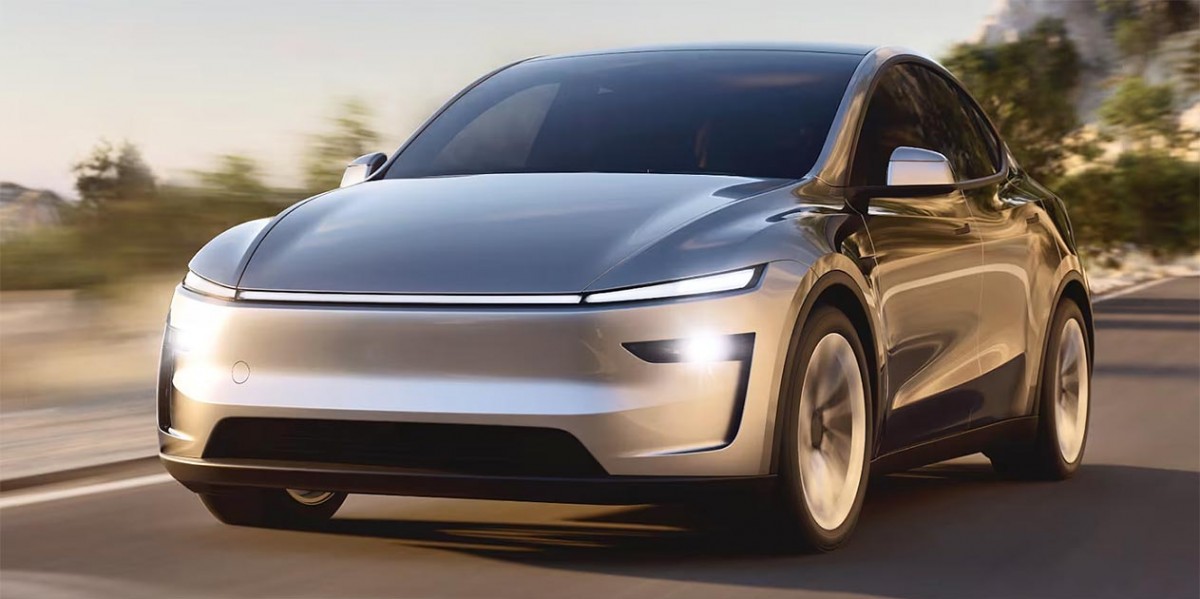
Even the leaders at Tesla seem worried. Last year, a top engineer admitted that HW3 has to run a much smaller and less capable model than the newer cars. Elon Musk also spoke about this during a meeting with investors. He admitted that the company would likely have to swap out the computers in millions of cars. He called this task "painful and difficult." He even joked that he was glad not many people bought the package, even though hundreds of thousands of people actually did.
There are about 4 million Tesla vehicles on the road today with the older HW3 hardware. Many of those owners bought the Tesla Model 3 or Tesla Model Y specifically because they wanted the self-driving features. Now, those owners are looking at a future where their expensive cars are stuck with a second-rate version of the software. Tesla has not yet offered a free hardware upgrade or a clear way to get a refund. This silence is what pushed owners in the Netherlands to start organizing.
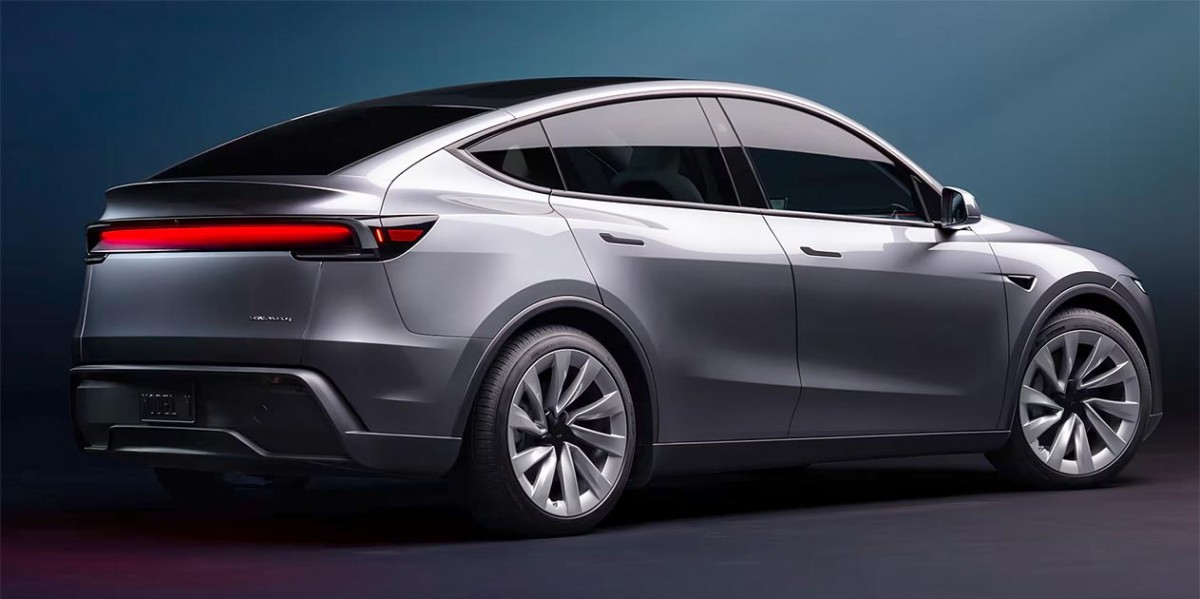
This is not the first time Tesla has faced this kind of trouble. In Australia, thousands of people joined a similar legal fight in late 2025. They claimed that Tesla lied about what the EVs could do. The lawyers in that case said the company made big promises that simply fell flat. Now that the software is officially launching in Europe, the same legal drama is moving to the North Sea. Owners in Germany and France are also starting to look at their options.
Europe is a very tough place for companies that do not follow through on their promises. The laws there are very strict about advertising. If a company sells a product and says it will do something specific, the product must actually do it. Since Tesla sold "Full Self-Driving" and is now delivering a "Lite" version that might be "inoperable," the company could be in big trouble. For many owners, the excitement of owning a Tesla is being replaced by the frustration of a long-awaited feature that simply won't work.



From the team behind
GSMArena.com
Facebook
Twitter
Instagram
RSS
Settings
Log in I forgot my password Sign up