Tesla brings Robotaxi service to Houston and Dallas
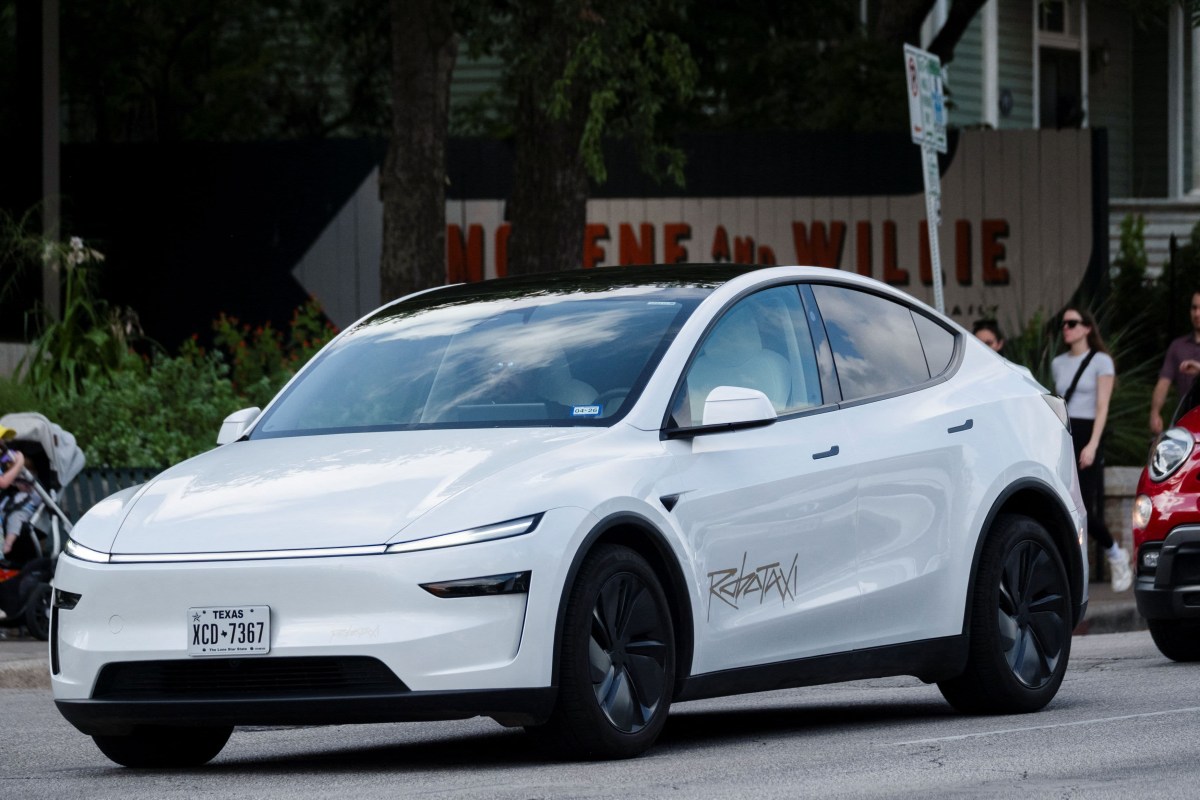
Tesla is growing its self-driving car service again. The company announced that its Robotaxi program is moving into Houston and Dallas. This is a big step for the brand since until now, the service only existed in Austin and San Francisco.
The areas where these Robotaxis can drive are quite small for now. In Houston, the service covers about 64.7 square kilometers. In Dallas, the cars stay mostly around the Highland Park neighborhood. For comparison, the service area in Austin is much larger now. It covers about 634.5 square kilometers, but it took nearly a year for Austin to grow that big. That service started as a tiny zone of only 51.8 square kilometers.
— Tesla Robotaxi (@robotaxi) April 18, 2026
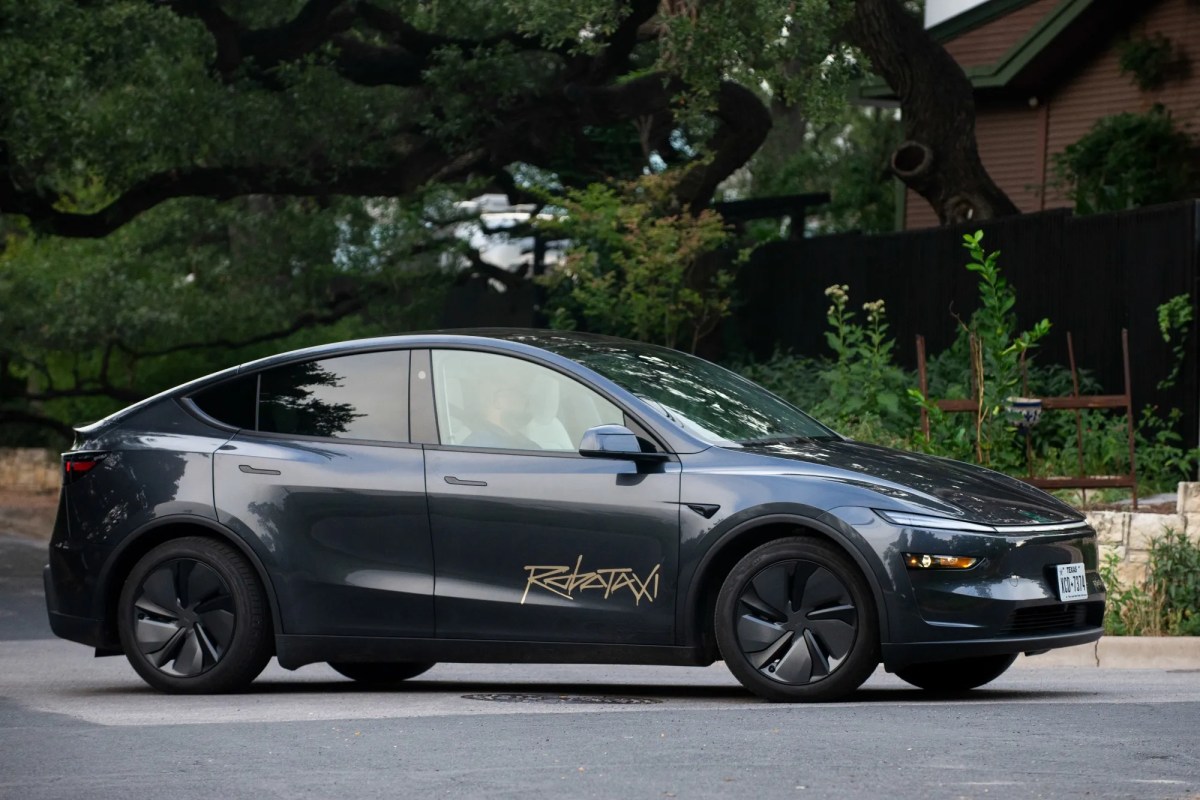
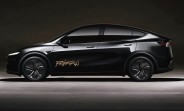
Tesla uses the Model Y for this service, one of the most popular EVs around the world. But Tesla did not share many details about the new launch. We do not know how many cars will hit the road in Houston or Dallas. The company also did not say how much a ride will cost. On social media, the company just showed two maps and said the service is starting. This lack of information is a bit of a mystery for customers and fans alike.
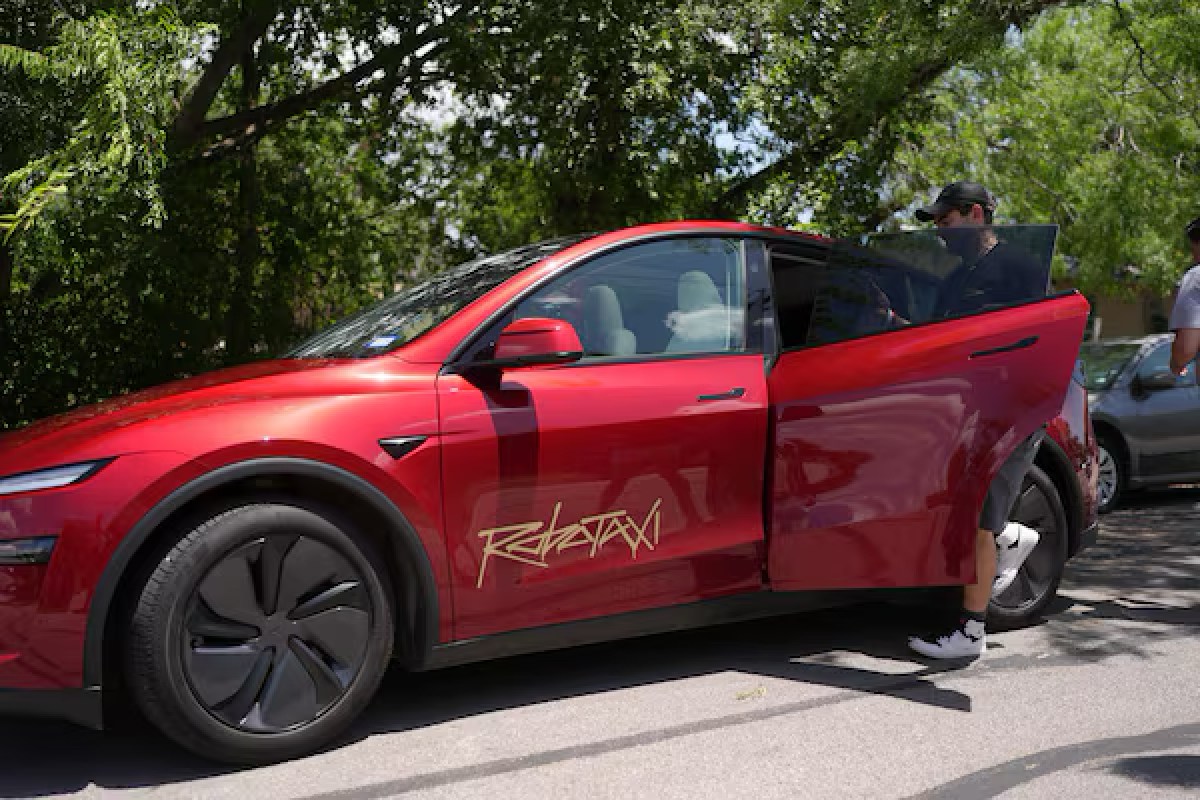
There is also a big question about who is actually driving. Most of these vehicles still have a person in the front seat acting as a safety monitor. They make sure the car does the right thing in traffic. In Austin, Tesla has about 80 cars in its fleet. Only about 4 to 12 of them drive without a human inside at any given time. Most of the time, a person is still there to help out. We expect the Houston and Dallas fleets to work the same way for a while.
The safety record for Robotaxi has some bumpy spots. Tesla reported 15 crashes to the government since the Austin launch. Some data shows these cars might crash more often than human drivers. One crash in July 2025 even sent a person to the hospital. Tesla also keeps its crash reports very private. Other companies share more information about their accidents with the public, but Tesla prefers to keep those details to itself, calling it confidential business information.
The weather is another challenge in the new areas. Tesla's Robotaxi usually stops working when it starts to rain. This could be a major problem in a city like Houston. That city gets rain about 100 days every year. If the cars cannot drive in the rain, the service might be down a lot. Most people want a taxi they can use when it is pouring outside. Nobody wants to get stuck waiting for a car that is afraid of a few raindrops.
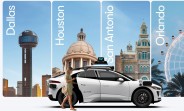
Tesla is not the only player in the Texas market. Waymo has been in Houston and Dallas since February 2026. Waymo's cars are fully driverless. They do not need a person in the front seat at all. Waymo gives about 500,000 rides every week across the country and plans to hit 1 million rides a week by the end of this year.
Elon Musk has made many big promises about Robotaxi over the years. In 2019, he said there would be 1 million robotaxis by 2020. He also said there would be 500 cars in Austin by late 2025. In reality, there were only about 42. Tesla is notorious for goals that are often much bigger than what it actually achieves. The hype machine is always running at full speed, even when the cars are parked.
For now, this expansion looks more like a small test than a full service. Tesla is moving into new cities before fixing problems in the ones it already is in, and people who want to ride in these autonomous EVs will have to wait for more details. We will see if the fleet grows or if the safety issues continue to follow the brand.

From the team behind
GSMArena.com
Facebook
Twitter
Instagram
RSS
Settings
Log in I forgot my password Sign up