2026 Ioniq 9 Performance real life range test with 21-inch wheels and summer tires
Hyundai has spent decades refining the formula for the ideal family vehicle, and its recent success in the segment highlights the progress it has made. With demand for full-size SUVs continuing to grow, Hyundai is looking to capitalize on the trend by introducing a fully electric offering alongside the conventionally powered Hyundai Palisade.
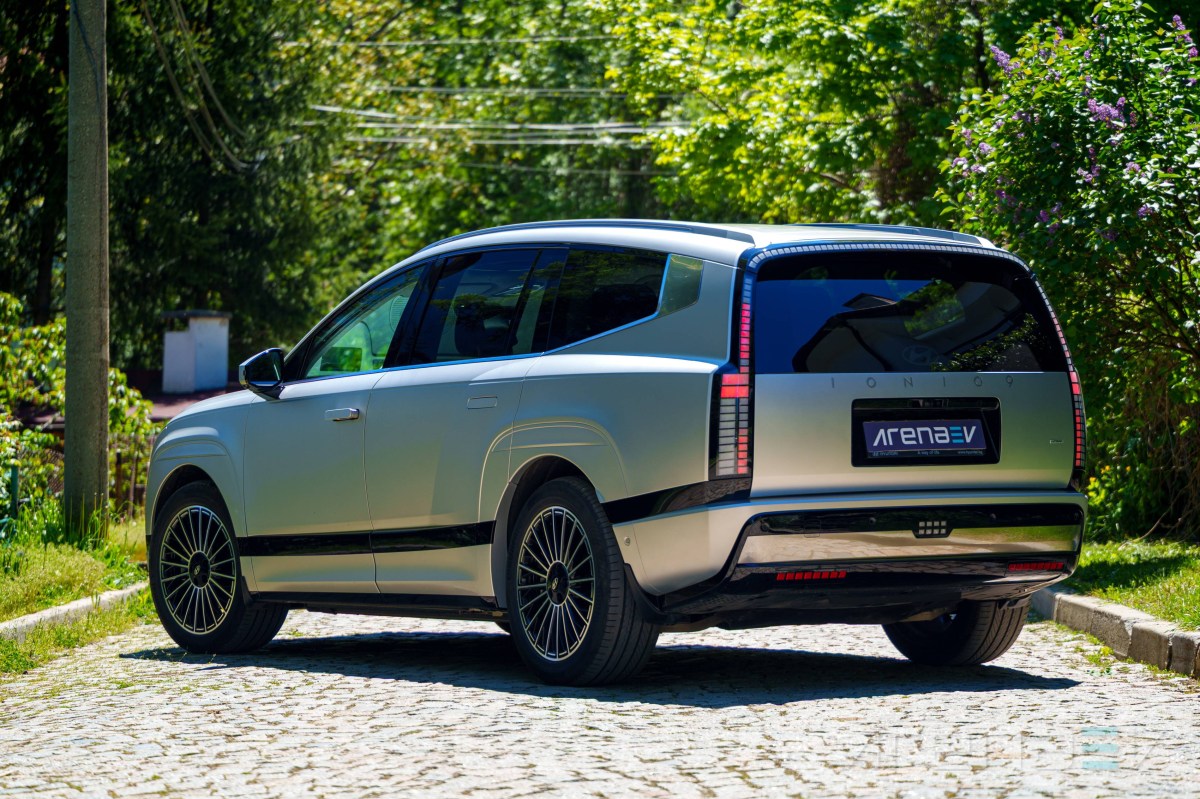
Today we have the Hyundai Ioniq 9 Performance at our disposal to test. A full-length review will be coming soon to our website, but today’s article will focus solely on efficiency and range on a single charge. The Ioniq 9 offers a huge battery with 110.3 kWh (106.3 of which are usable) in all of its different versions.
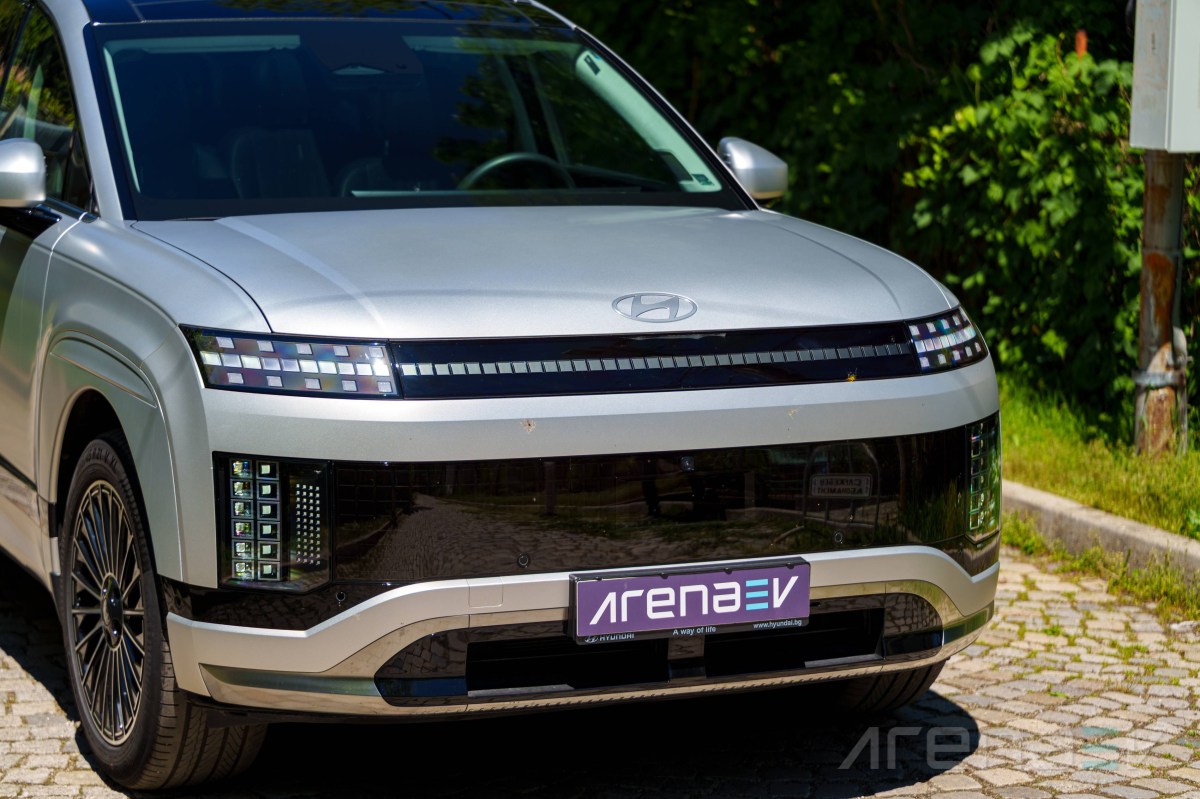
We are testing the quickest and most luxurious version of the Hyundai Ioniq 9 - the Performance variant. Equipped with all-wheel drive and producing 422 hp, it also represents the least efficient model in the lineup for the purposes of this test. Choosing one of the less powerful versions brings the advantage of greater range from the same battery pack, though buyers will also have to forgo some equipment and performance capabilities.
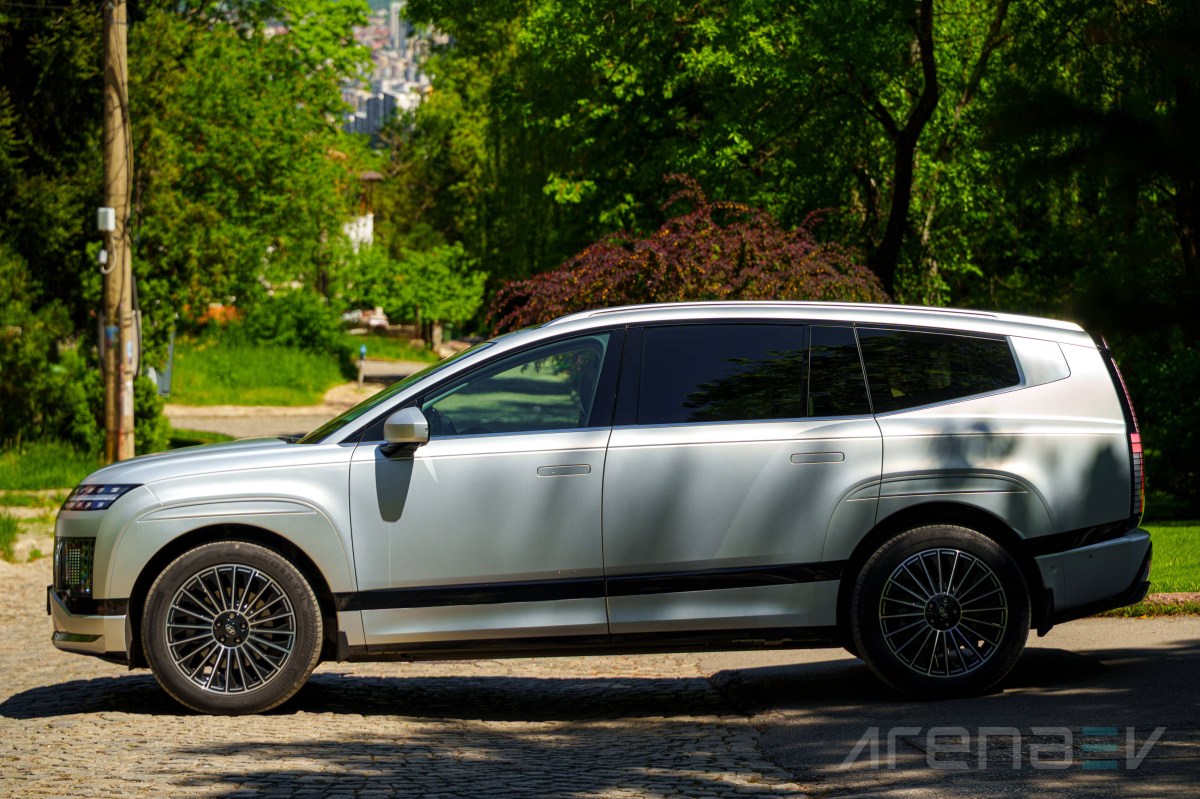
This gigantic battery will have to deal with the sheer size of the Ioniq 9, which is over 16 ft long and almost 5.9 ft tall. Moving such a large body through the air inevitably requires significant energy at any speed. As a result, efficiency becomes a crucial factor in today’s test, determining whether the Hyundai Ioniq 9 can truly fulfill its role as a capable long-distance family vehicle.
Based on the values we get in the testing, we are able to provide a real world range widget. You can use it to simulate a wide variety of conditions and adapt the values to your liking in order to check out how the car will perform in different scenarios.
We drove our usual test routes, doing the same track both ways at constant speeds at the same place as with every other car we test. The ambient temperature while testing the 2026 Hyundai Ioniq 9 Performance was 57°F, providing favorable conditions for electric vehicle efficiency testing, although slightly warmer weather would likely have produced even stronger figures.
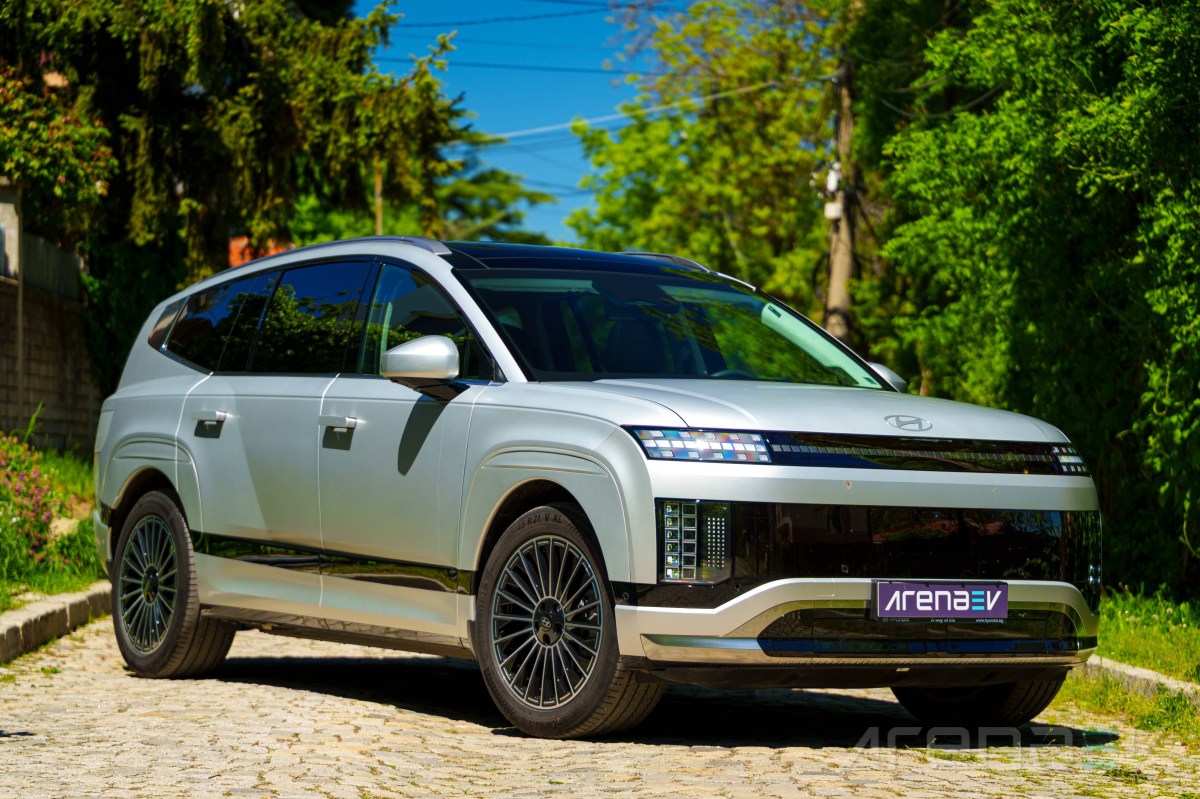
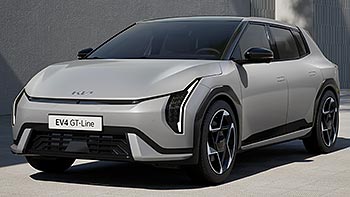
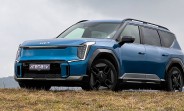
At our lowest testing speed of 37 mph, the Ioniq 9 shows expected results for its behemoth size. Its sibling - the Kia EV9, scores slightly better in this category but starts consuming more as speeds progress. The size and weight of the Hyundai Ioniq 9 demand considerable energy at these lower speeds, where aerodynamic efficiency has not yet become a major contributing factor.
Range test results
- 37 mph
- 56 mph
- 81 mph
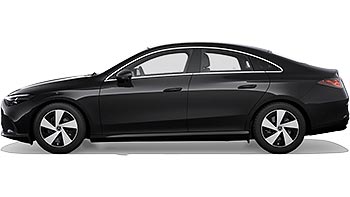
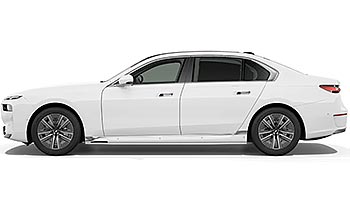
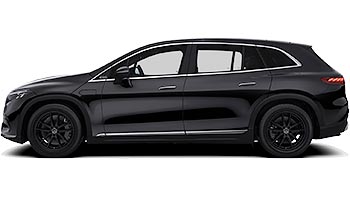 Mercedes-Benz EQS SUV 580 4Matic
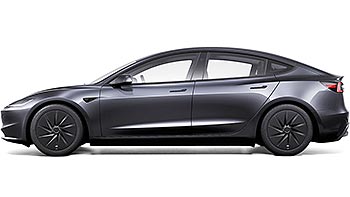
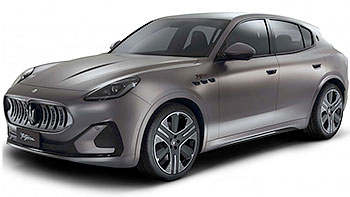 Maserati Grecale Folgore
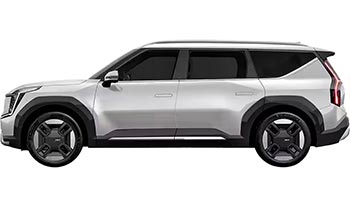 Kia EV9 99.8 kWh AWD
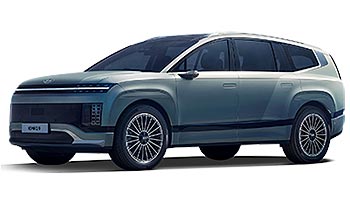 Hyundai Ioniq 9 Performance
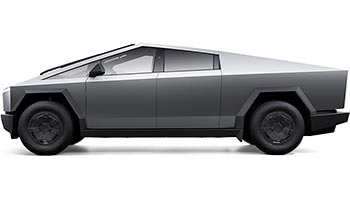 Tesla Cybertruck Cyberbeast
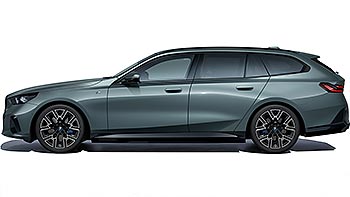 BMW i5 M60 Touring
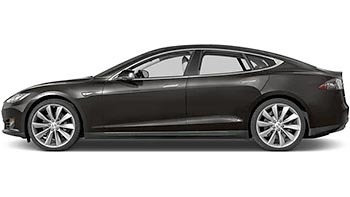
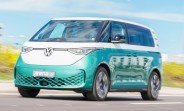
 Volkswagen ID.Buzz
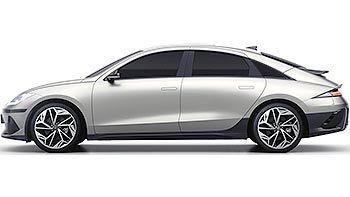
When we speed up to 56 mph, the Ioniq 9 Performance requires slightly more energy. Normally, we notice a bigger increase in lighter vehicles, yet the Ioniq 9 requires most to get going initially and thereafter starts cruising.
At the highest testing speed of 81 mph, aerodynamics start coming into play and once again bump up the numbers for the consumption. Among similarly sized SUVs, the Ioniq 9 Performance shares the crown with the much more expensive Mercedes EQS SUV 580.
Hyundai sits at the top in a very nice company and provides true long range figures at highway speeds. Unlike the EQS SUV, the Ioniq 9’s 800V architecture allows for quicker charging and also proved more efficient in stop-and-go traffic.
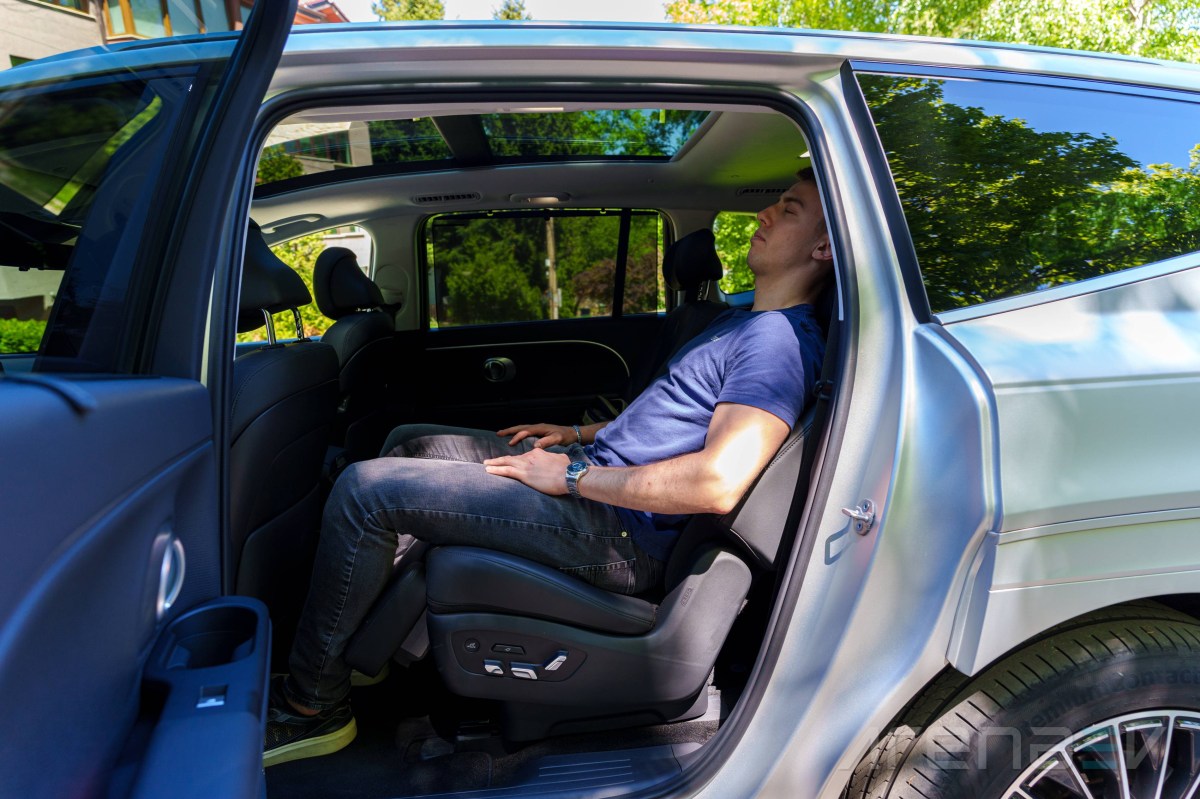
If you’re in need of an electric full-size SUV, the Hyundai Ioniq 9 is just about the best choice one can make. Especially in terms of efficiency. To find out the rest of the reasons, stay tuned for our upcoming full-length review.
You can use the widget below to find out the 2026 Hyundai Ioniq 9 Performance’s range in every combination of speed and temperature you might need. We've used our real world tests and a complex model to provide an estimate that should be as close to the actual performance as possible.


From the team behind
GSMArena.com
Facebook
Twitter
Instagram
RSS
Settings
Log in I forgot my password Sign up