Xiaomi targets great outdoors fans with Sky Nomad N90 camping SUV
Xiaomi is expanding its EV footprint, and after the Chinese tech company entered the market with pure electric cars, it is now ready to explore a different powertrain technology to win over even more drivers. The brand enjoys strong sales from its existing sedan and SUV models, but it wants to capture a fresh segment of buyers who enjoy weekend getaways. To achieve this, the company is introducing a dedicated sub-brand named Sky Nomad. In its home market, the brand will use the Chinese name Xun Tian, which translates to "looking for the sky," hinting at the adventurous outdoor lifestyle the new vehicles intend to promote.
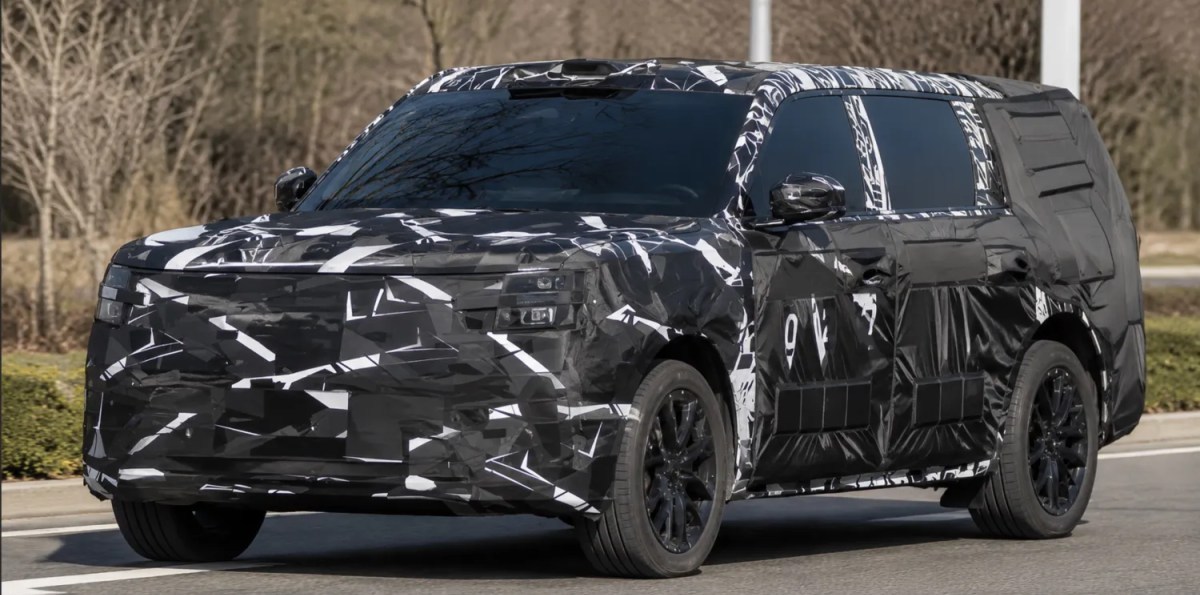
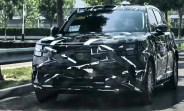
The first vehicle from this new lineup is a full-size SUV called the N90. Spy photographers in China snapped the vehicle during road testing, revealing interesting details about its design, proportions, and target audience. Unlike the brand's existing pure electric vehicles, the Sky Nomad N90 uses an extended-range electric vehicle (EREV) setup. This system combines an electric powertrain with a small gasoline engine that serves purely as an on-board generator to charge the battery pack.
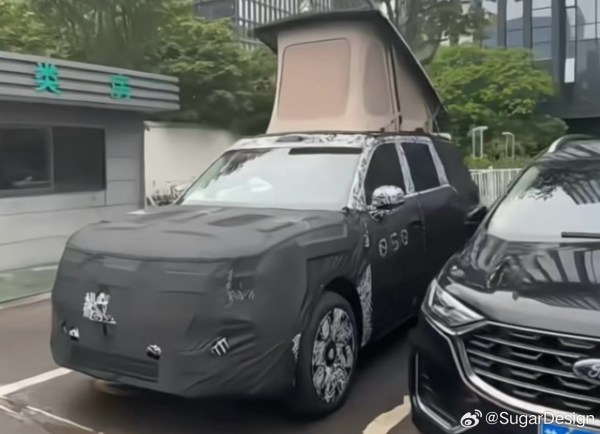
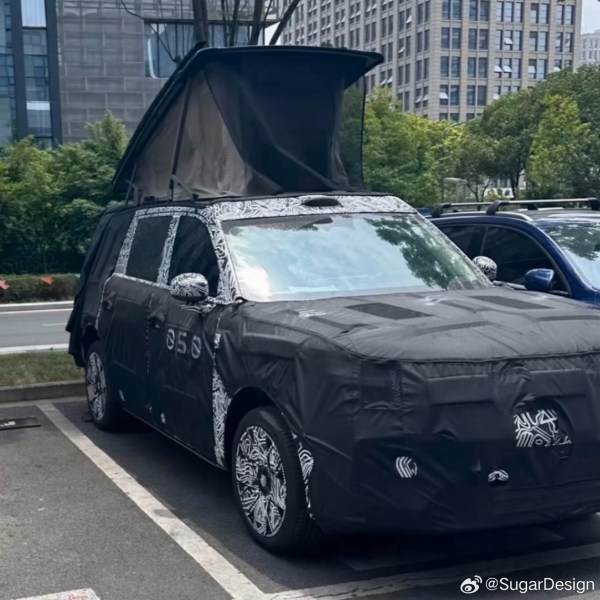
The newest spy photos show that the N90 caters specifically to the growing "glamping" trend, where camping meets premium comfort. On top of the camouflaged test vehicle sits a streamlined, built-in rooftop tent. The tent has a beige canvas structure paired with a black mosquito net, essentially creating a private rooftop loft for overnight wilderness stays. To make outdoor adventures even more convenient, the SUV will likely follow recent market trends by offering fold-flat rear seats and high-power AC electrical sockets - nothing says "roughing it out" like plugging an electric grill and a 65" TV directly into your vehicle next to a mountain stream.
The Sky Nomad N90 measures over 208.7 inches in length and has a generous 3,100-mm wheelbase. Buyers will be able to choose between five-seat and seven-seat interior layouts depending on their family needs. The "90" naming convention aligns the vehicle directly with other premium flagship electric cars and alternative-energy SUVs in China - it will compete against established flagships like the Li Auto L9, Denza N9, SAIC's IM LS9 or the brand new XPeng GX.
Under the rugged body, the mechanical setup balances long-range travel capability with daily zero-emission driving. The EREV system uses a 1.5-liter turbocharged gasoline engine that acts strictly as a range extender to keep the +70 kWh battery pack going. On battery power alone, the SUV can travel between 249 miles and 311 miles. When the gasoline generator kicks in to recharge the battery on the go, the total comprehensive cruising range can exceed 932 miles. A dual-motor configuration delivers all-wheel-drive performance for driving on loose or uneven terrain.
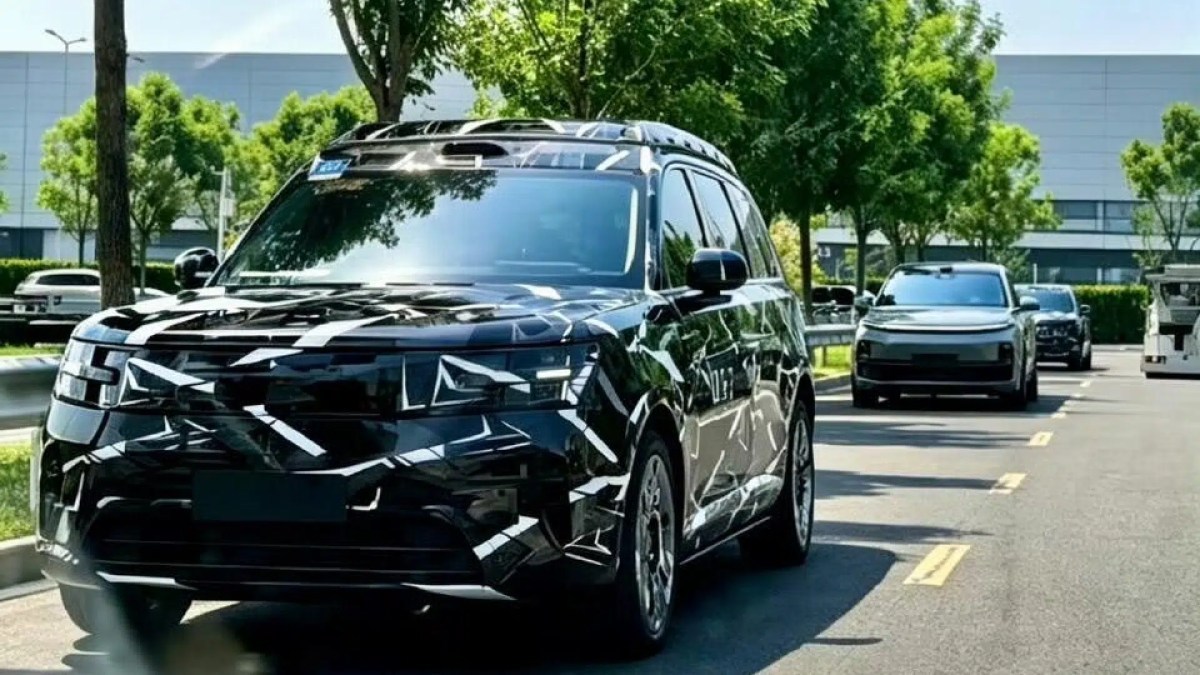
The vehicle also uses high-end chassis components to manage its massive size and ensure a smooth ride on rough roads. The engineering team fitted the N90 with an adaptive air suspension and a rear-wheel steering system, which will make maneuvering this giant EV through tight spaces much easier. The test cars ride on standard 19-inch tires, but Premium trim levels will likely offer even larger wheel options. A roof-mounted LiDAR sensor indicates that the vehicle will have advanced driver assistance and automated driving capabilities for long highway journeys.
Behind the scenes, Xiaomi is changing its manufacturing strategy to keep production costs under control for the new brand. For its earlier models, like the SU7, the company relied on major battery giants CATL and BYD's FinDreams division. For the Sky Nomad lineup, the company is changing its supply chain partners, with Sunwoda chosen to supply 60 percent of the battery packs, and CALB providing the remaining 40 percent. This dual-supplier approach should help the company optimize manufacturing expenses and reduce the risk of production delays if one factory has supply issues.
This tactical shift shows how quickly Xiaomi is evolving to secure a bigger share of the global automotive market. The company is enjoying immense success in its home market - in May 2026 alone, it delivered 32,759 vehicles. The popular SU7 sedan accounted for 24,023 of those deliveries, making it the third best-selling car in the country. The pivot to range-extended technology means a big expansion for the electronics giant and even bigger sales numbers.
The company plans to officially reveal the Sky Nomad N90 sometime in the fourth quarter of 2026. Industry sources estimate that the retail pricing will range between RMB 200,000 and RMB 450,000 ($29,500 to $66,500), making the full-size SUV quite competitive against established premium rivals. Whether international audiences will embrace a giant camping SUV from a technology company is an open question, but the combination of a 1,500-km driving range and a built-in rooftop bedroom will attract attention from adventure enthusiasts for sure.

From the team behind
GSMArena.com
Facebook
Twitter
Instagram
RSS
Settings
Log in I forgot my password Sign up