Standard Hyundai Ioniq 3 revealed with practical design and smart tech
Hyundai has finally revealed the standard version of its latest addition to the world of electric cars, the compact Ioniq 3. This unveiling follows the official debut in April that focused exclusively on the aggressive, performance-oriented N Line variant. Now, the South Korean brand is showing the version that the majority of everyday drivers will actually buy. This model ditches the racetrack look in favor of a cleaner, more practical approach.
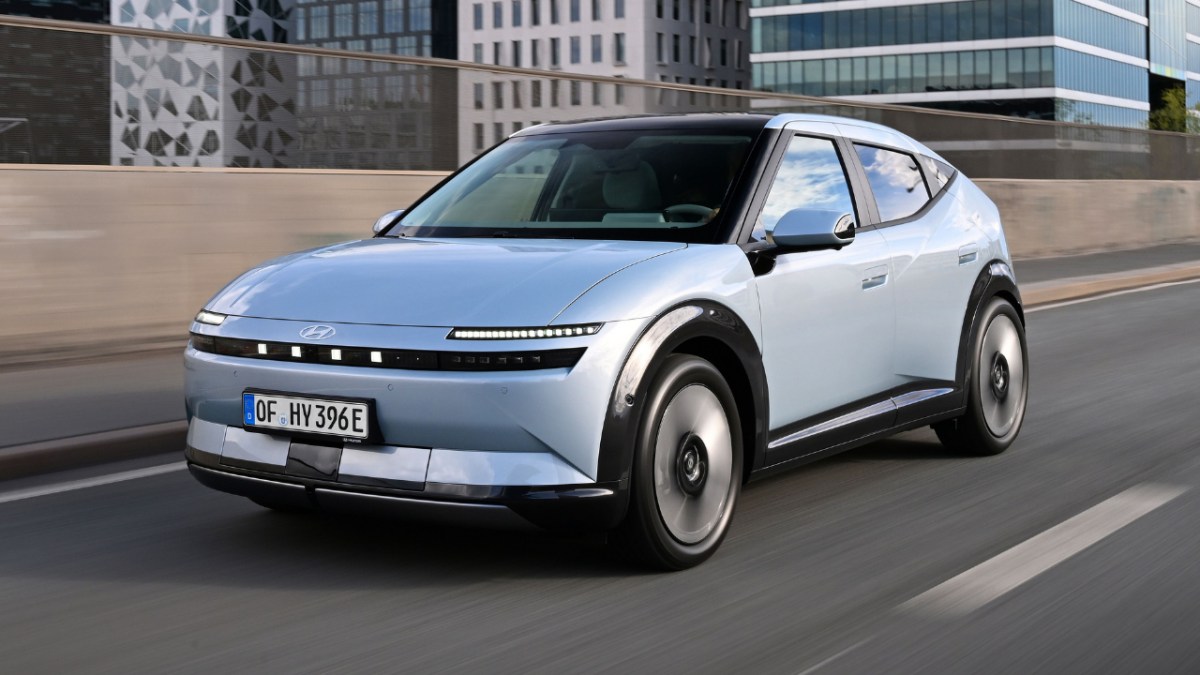
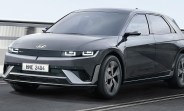
Hyundai likes to call the new model an "Aero Hatch." This designation is supposed to highlight a visual blend of a traditional hatchback, a sweeping fastback, and a slightly raised crossover body style. Up front, the large black openings found on the sportier variant are gone. Instead, we get smoother body lines and an active air intake system to manage cooling. The signature lighting remains untouched, with separate LED headlamps and a distinctive four-dot design embedded in a slender front grille.
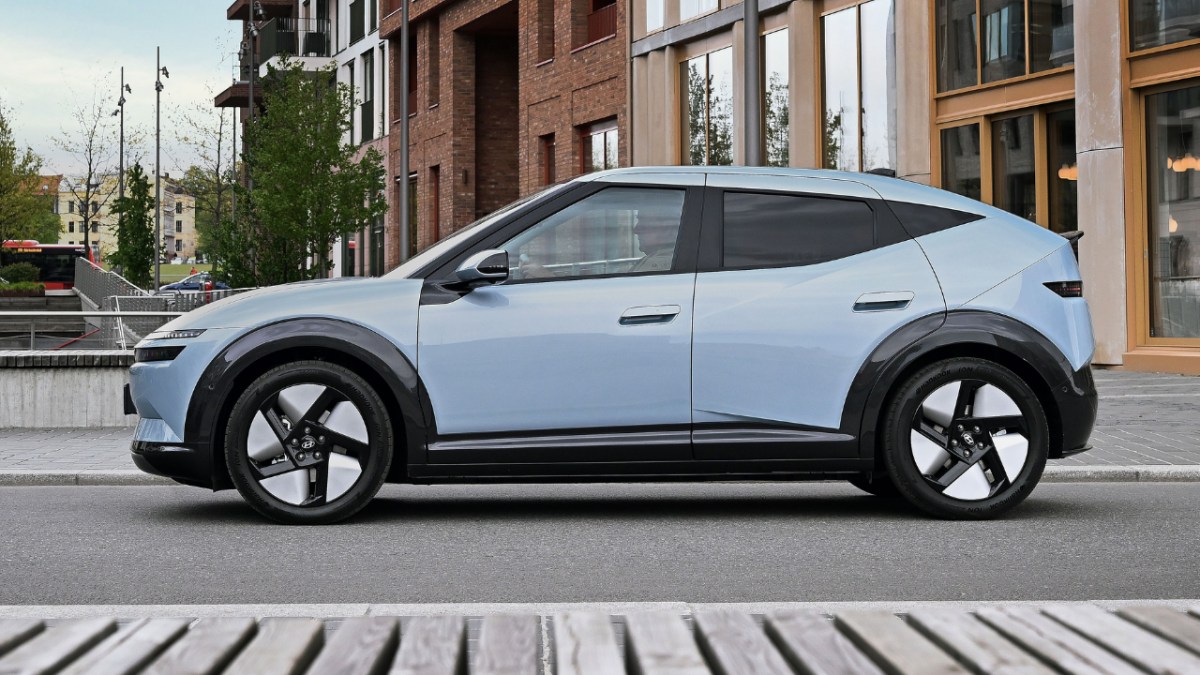
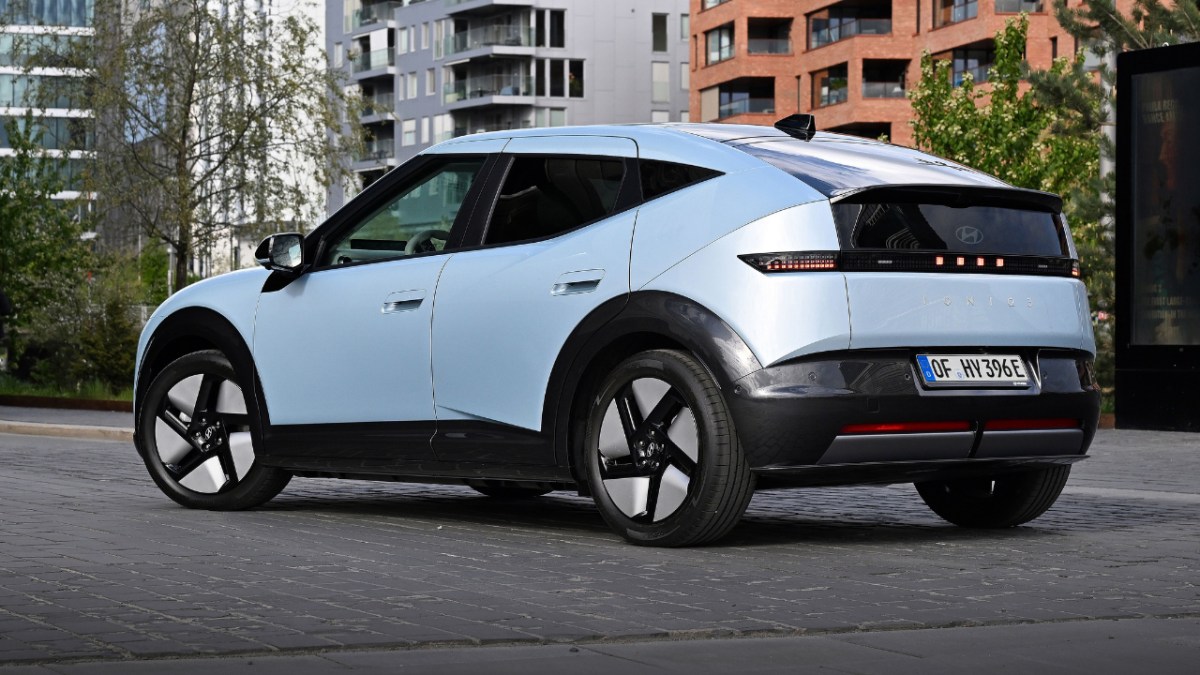
Moving along the sides, the standard car swaps out the gloss black mirrors for body-colored items. Buyers can select wheel configurations ranging from 16 inches to 18 inches in diameter. These replace the larger 19-inch wheels found on the N Line. At the rear, the design adjustments continue with a smaller roof spoiler positioned over the double rear window glass. Designers also cleaned up the rear bumper by giving the Ioniq 3 a subtle diffuser that leaves out the sharp aerodynamic side fins.
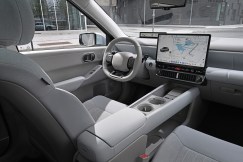
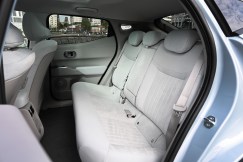
Inside the new Hyundai Ioniq 3, the changes are easy to spot. The manufacturer replaced the dark black and red theme of the performance trim with a much brighter, lighter color palette. The cabin layout centers on a design concept focused on interior comfort using materials that look and feel high-quality. This serene styling is meant to create a relaxed environment for drivers and passengers who want everyday usability.
The Ioniq 3 is the first Hyundai in Europe to use the new Android-based infotainment platform called Pleos Connect. This software first appeared on the updated Grandeur luxury sedan in South Korea. Depending on the selected trim level, buyers get either a 12.9-inch or a larger 14.6-inch center touchscreen. Drivers can also opt for a slim digital instrument cluster behind the steering wheel. The dedicated application store will launch with 30 third-party programs, and more will be arriving later. And of course, a voice control system called Gleo AI manages vehicle functions using conversational speech.
Under that sleek bodywork, the Ioniq 3 uses a 400V variation of the modular E-GMP platform. This is the same architecture that underpins sister vehicles - the Kia EV3 and Kia EV4. Engineers calibrated the chassis, suspension, and power delivery to match European roads, driving habits, and charging networks. Hyundai promises that the vehicle will handle predictably across diverse regional infrastructure - you can rest assured that we will put those claims to a thorough test.
When sales begin, Hyundai will offer two separate versions with a single electric motor powering the wheels. The entry-level option has a 42.2 kWh battery pack paired with a 144-horsepower (108-kW) electric motor. This setup provides an official driving range of 214 miles under European testing standards. Buyers looking for more range can upgrade to the Long Range variant. This model gets a larger 61 kWh battery that pushes total driving range to 308 miles. Surprisingly, the larger battery pairs with a slightly less powerful 133-horsepower (100-kW) motor to help maximize energy efficiency - meaning you can drive for longer, but don't expect to win any drag races against the base model.
The company has not announced official retail prices for the European market yet. Production lines are being prepared at Hyundai's facility in Izmit, Turkey, and customer deliveries should start arriving during the third quarter of 2026. The good news is that the dual-motor high-performance N variant with its unique chassis configuration is still a strong possibility for a future product launch.


From the team behind
GSMArena.com
Facebook
Twitter
Instagram
RSS
Settings
Log in I forgot my password Sign up