China changes EV policy with some EREVs and hybrids no longer exempt from taxes
Over the last decade, drivers across China have embraced electric cars at a rate that has surprised global analysts. This rapid adoption has turned clean-energy vehicles into mainstream options rather than a niche segment. This massive success means that the Chinese government no longer needs to support every type of green vehicle with aggressive financial incentives. In a major policy shift, Beijing is rolling back an important annual tax break that drivers have enjoyed for years.
Starting January 1, 2027, China will end the annual vehicle and vessel tax exemption for some types of New Energy Vehicles (NEVs). The Ministry of Finance, the State Taxation Administration, and the Ministry of Industry and Information Technology jointly announced the decision. The Chinese government believes that some segments of the clean vehicle industry can now stand on their own feet without continuous state help.
Owners of plug-in hybrid electric vehicles (PHEVs), which include extended-range electric vehicles (EREVs), will lose their full tax exemption. This will affect popular high-end models like the Li Auto L9 SUV. Additionally, the policy adjustment eliminates tax exemptions for battery electric commercial vehicles, such as electric delivery trucks, and fuel cell commercial vehicles.

The new regulation does not stop at hybrids and commercial fleets. The Chinese government will also cancel the existing tax discount for highly efficient, energy-saving internal combustion engine vehicles. Previously, these traditional fuel-efficient passenger cars qualified for a 50 percent reduction in their annual vehicle tax. From 2027 onward, owners of these vehicles must pay the full standard tax rate.
The policy update completely spares pure battery electric passenger cars - they will remain fully untaxed under Chinese law. The exemption continues because the annual vehicle and vessel tax functions as an emissions-linked tax based on engine displacement. Since pure EVs do not have gas engines or traditional exhaust systems, they simply fall outside the legal scope of the tax code.
To understand the financial shift, we can look at traditional car tax rates in China. For a standard gasoline passenger car with an engine displacement between 1.6 liters and 2.0 liters, owners pay an annual tax ranging from RMB 360 to RMB 660 ($53 to $98). After the 2027 deadline, owners of the newly taxed hybrid and commercial categories must pay the annual fee regardless of when they bought their vehicle. Provincial-level governments will have the authority to set specific regional tax rates within the official national boundaries.
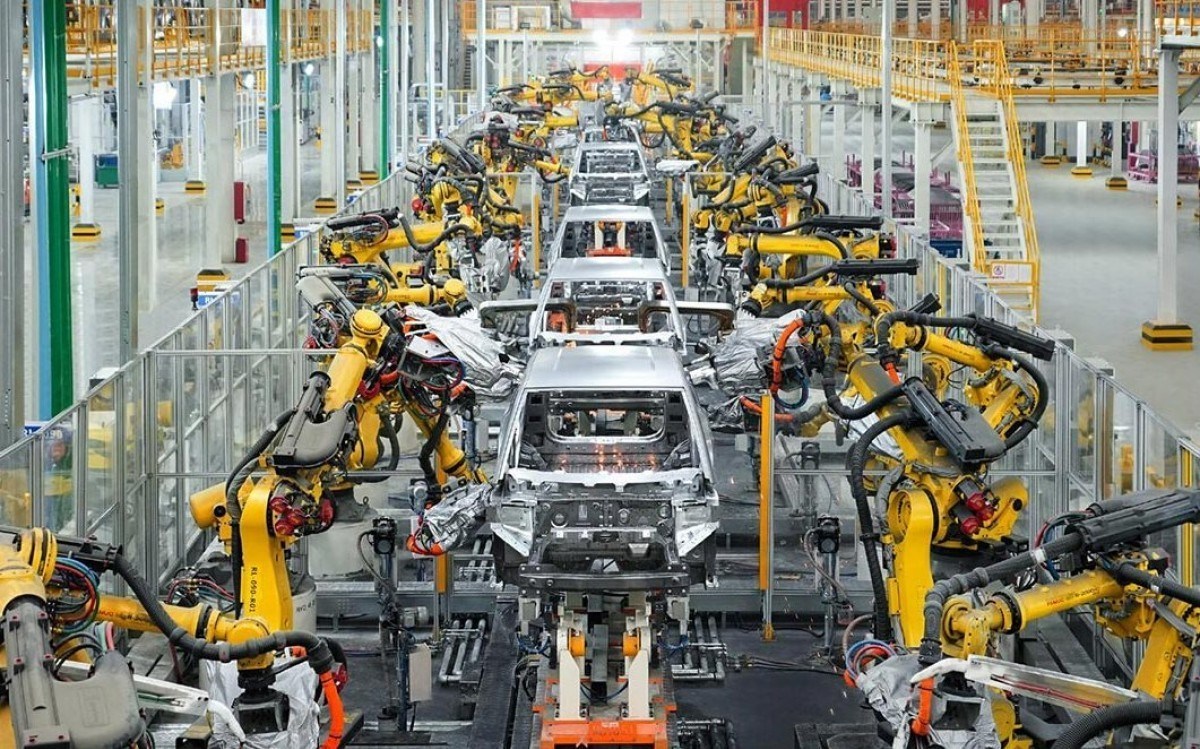
Beijing originally launched the green tax breaks in 2012 to kickstart consumer interest in EVs and eco-friendly transportation. The plan succeeded beyond expectations. In 2025, annual sales of new energy vehicles in China reached 16.49 million units - more than 50 percent of all new domestic car sales. The momentum carried into this year, with retail penetration for NEVs hitting a historic high of 62.9 percent in May.
As clean vehicles become the main choice for buyers, the financial focus is shifting toward tax fairness and wealth distribution. Government officials claim that many plug-in hybrids and extended-range models are premium consumer products. In 2025, the average selling price for a plug-in hybrid passenger vehicle was RMB 218,000 ($32,100), and luxury models frequently cost over 1 million RMB ($147,300). The Ministry of Finance explained that bringing back the annual tax on expensive assets ensures a more balanced tax system.
The decision also addresses the physical reality of maintaining public roads. Cui Dongshu, the secretary-general of the China Passenger Car Association (CPCA), has been urging the government to modernize its road funding system. Traditional infrastructure funding relies heavily on fuel taxes. Because electric cars do not use gasoline, they have been used on public highways for years without contributing to road maintenance.


From the team behind
GSMArena.com
Facebook
Twitter
Instagram
RSS
Settings
Log in I forgot my password Sign up