Tesla's checkbook ends Sweden’s longest strike
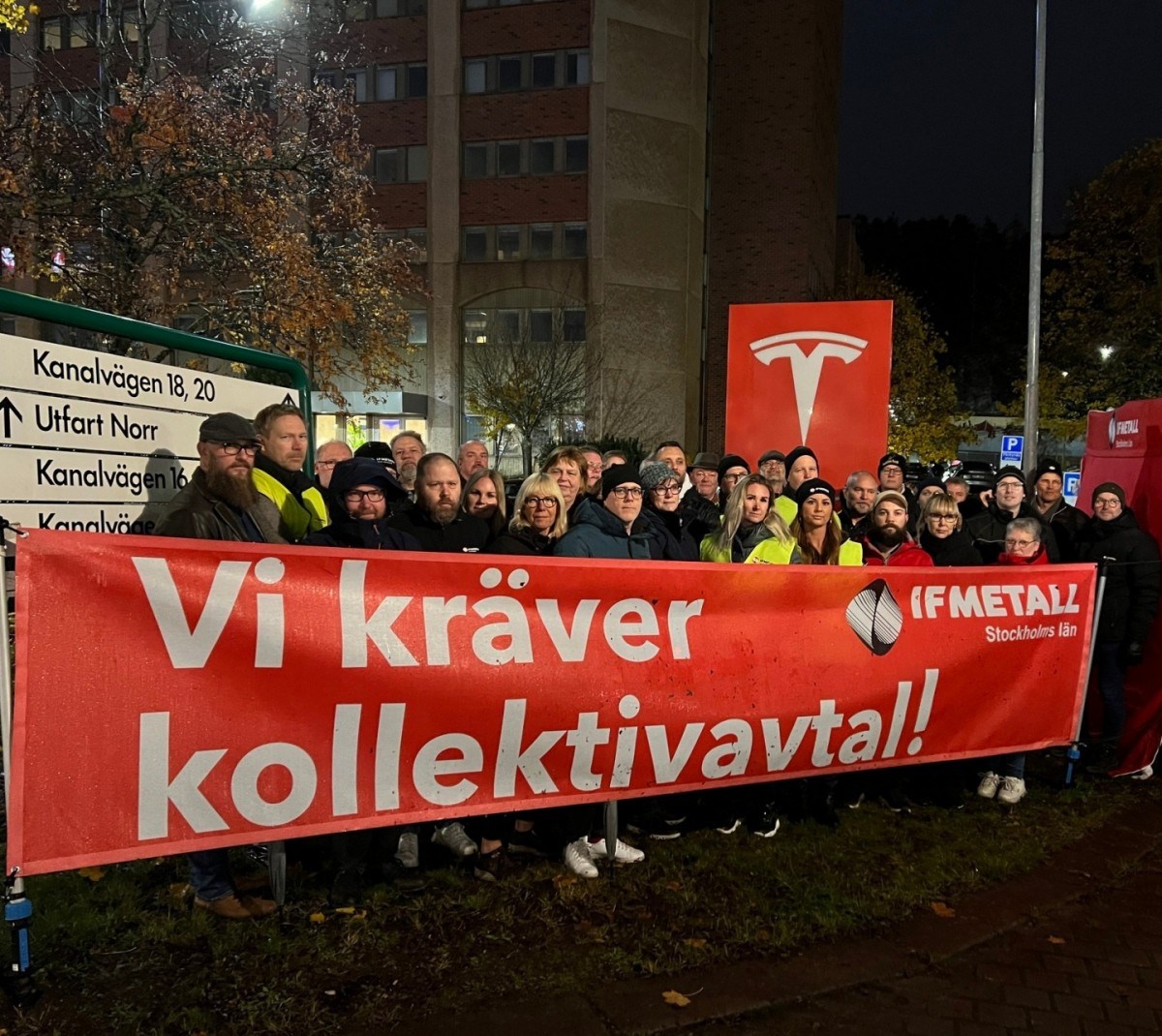
This is what Tesla had to deal with for nearly three years: dockworkers across Scandinavia refusing to touch roll-on/roll-off ferries, postal couriers locking up license plates in vaults, electricians cutting off maintenance to roadside Superchargers, and cleaners walking away from showrooms. For 1,021 grueling days, Sweden's mighty IF Metall union staged what was supposed to be the ultimate stress test for Tesla's uncompromising, Silicon Valley management style.
Come August 19, 2026, and the longest strike in modern Swedish industrial history will end. Not with a signed collective bargaining agreement, but with an empty picket line - Tesla simply bought out every striking technician until the union had nobody left to represent.
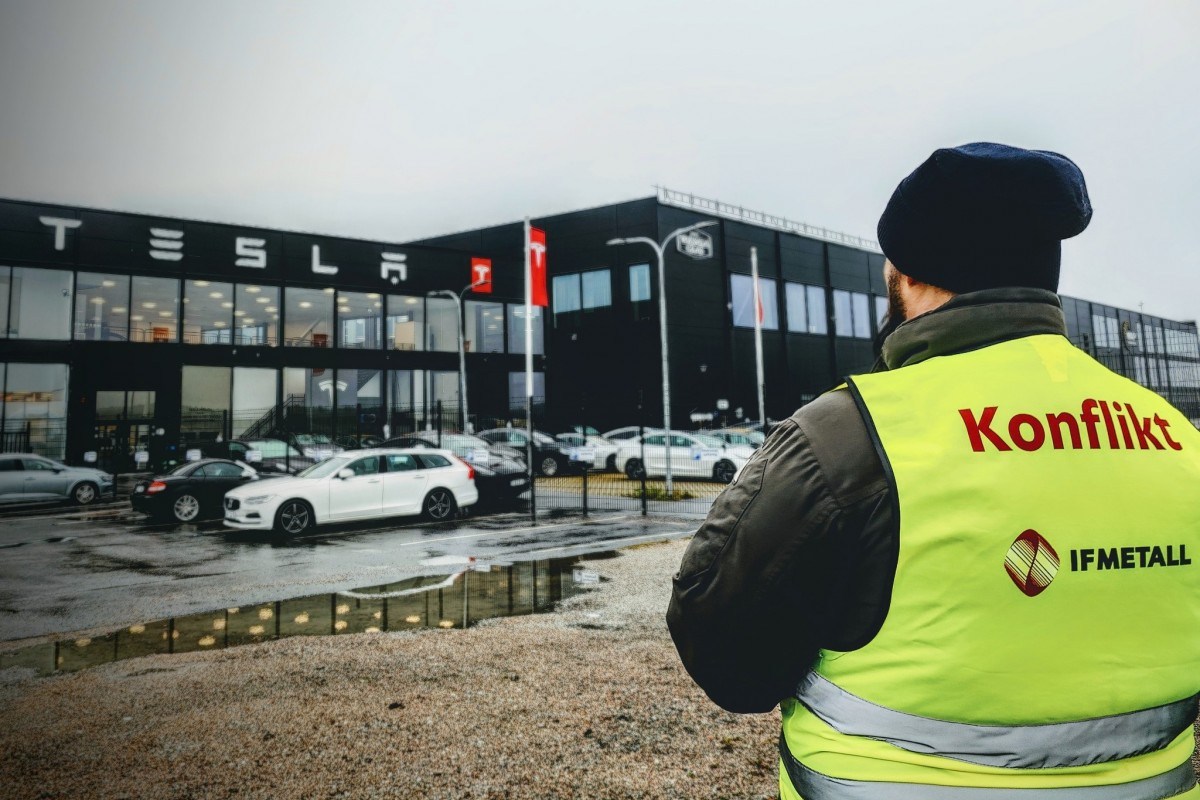
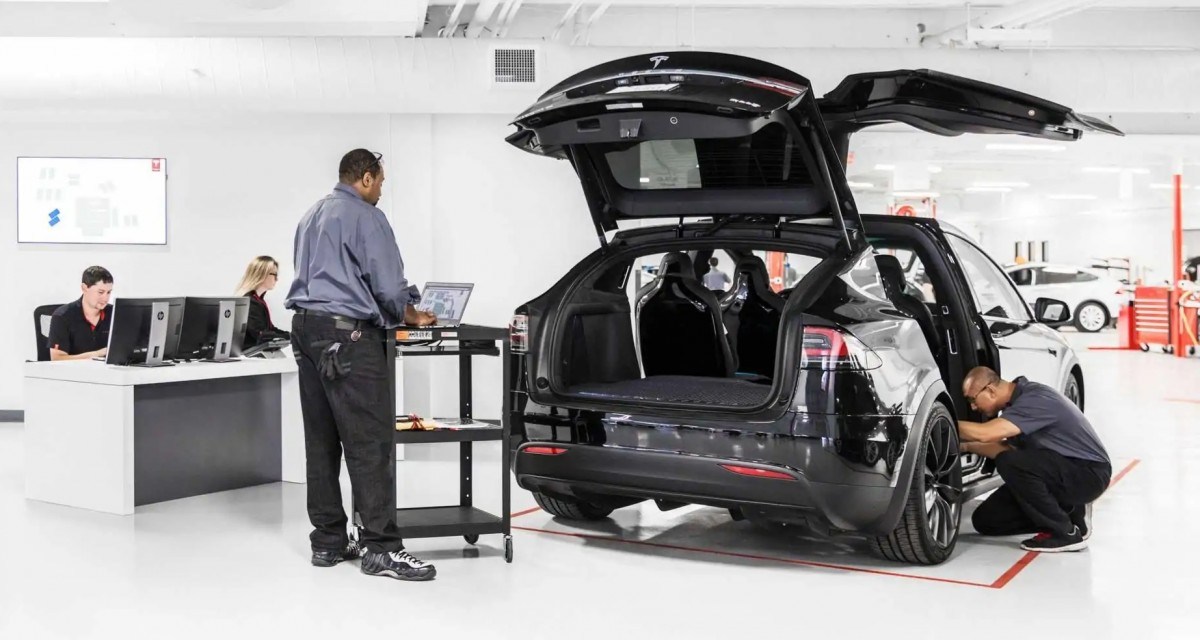
When 120 mechanics across seven Swedish service centers put their tools down on October 27, 2023, the local labor thought the Nordic solidarity would bring Austin to its knees. The sacred "kollektivavtal" covers more than 90% of Swedish workplaces, and quite obviously, they thought they were invincible. Tesla had other ideas.
The company treated the blockade as if it was a minor logistical issue. When domestic ports slammed shut, Tesla shipped cars to Germany and trucked them across the border into Trelleborg. When postal service PostNord refused to deliver registration plates, Tesla dragged the transport agency straight to court and picked up the stamped metal plates by hand. Elon Musk labeled the entire Swedish labor model "insane," dug his heels in, and deployed a masterclass in obstinacy.
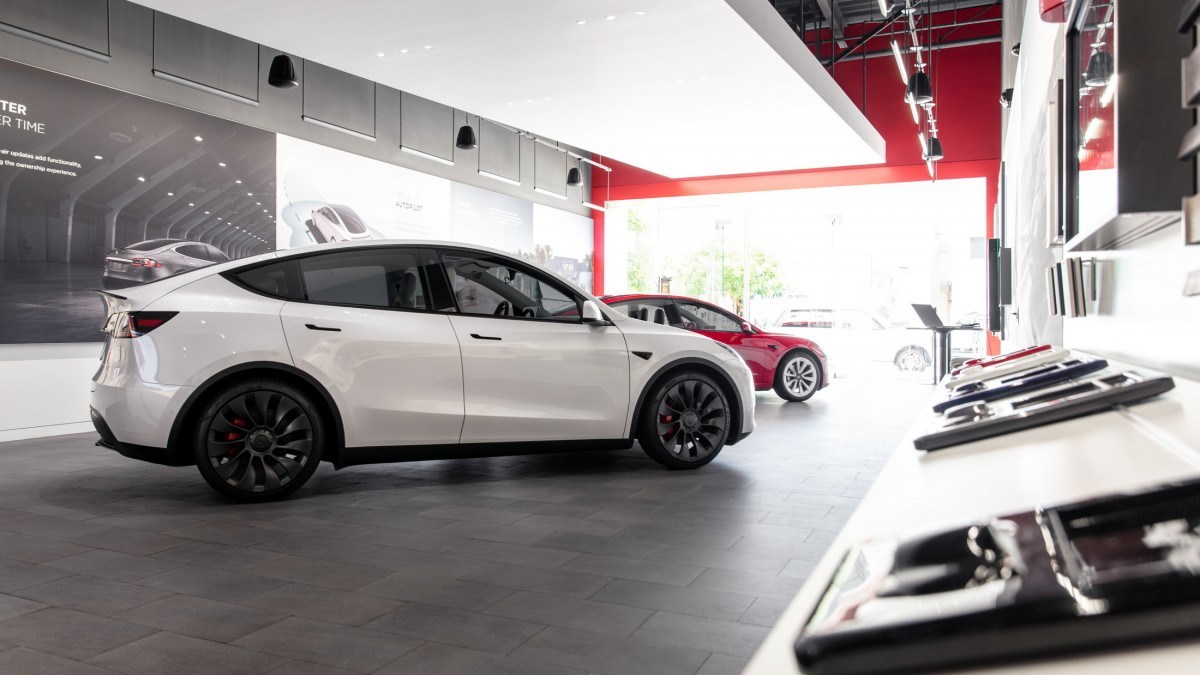
Here is the irony of the entire standoff: as union banners whipped in the freezing Baltic wind, Swedish drivers kept buying Teslas by the boatload. Throughout the worst escalations in 2023 and 2024, the Model Y was not only the nation's favorite electric crossover - it was the single best-selling passenger car in Sweden, outright. Tesla registered a record 21,894 vehicles in the country across 2024 with the industrial strike running in top gear.
Eventually, Tesla did hit a brick wall, but the damage came from the least expected direction: the boardroom - not the picket lines. The company sold only 7,252 vehicles in 2025 (67% less than in 2024).
Nordic drivers, an environmentally conscious and socially minded demographic, got tired of Elon Musk's polarizing political theatrics. The strike never meaningfully dented demand, but the CEO's personal megaphone managed to wipe out two-thirds of the brand's local sales volume in a single calendar year.
2026 has delivered a cautious (if a little erratic) recovery off that battered baseline so far: 512 registrations in January, 553 in February, a seasonal surge of 1,784 units in March, followed by 429 in April and 858 in May. But behind the scenes, Tesla executed its definitive checkmate against the union.
Rather than caving to collective bargaining - a concession that might trigger dominoes across its global network - Tesla quietly approached striking workers individually with lucrative buyout packages. One by one, mechanics accepted the payouts and walked away. When IF Metall reviewed its ranks this August, there were no striking members left to call into a meeting.
Union leadership, including IF Metall chair Marie Nilsson and contract secretary Simon Petersson, called the outcome "an act of ruthless, unprecedented strikebreaking funded by bottomless corporate coffers." They are absolutely right about the precedent.
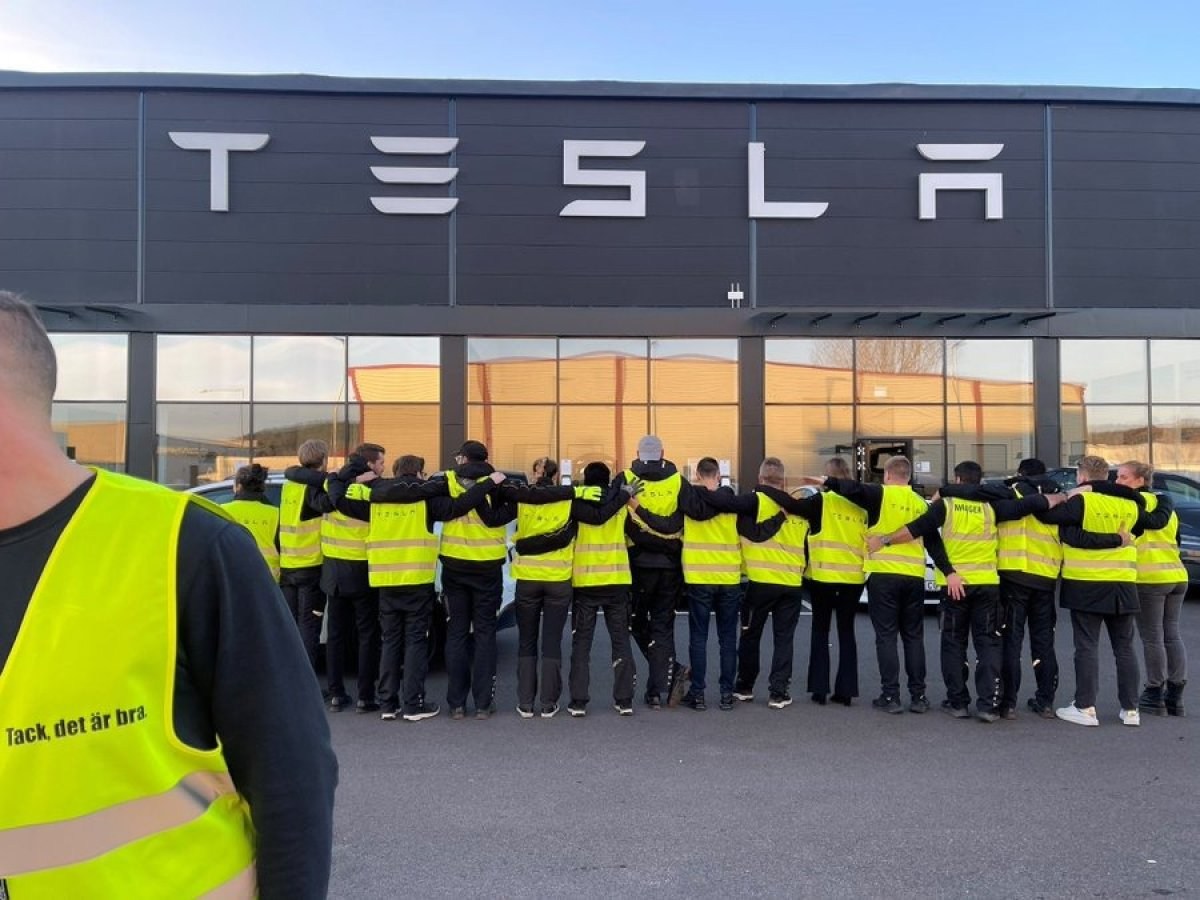
Buying out an entire bargaining unit shows that any ultra-wealthy multinational can bypass the collective bargaining mechanisms. Those rules have defined the Scandinavian economy for nearly a century. And now, every foreign automaker and tech giant eyeing European expansion watched a live presentation on how to neutralize organized labor with an open checkbook.
The outcome of this 1,021-day battle will echo far beyond Stockholm. Over in Germany, powerful union IG Metall has spent years laying siege to the Grünheide Gigafactory outside Berlin, hoping to rope Tesla into standard industry wage structures. Sweden was supposed to be the fortress of worker solidarity that proved no car company is bigger than the local system. Instead, Tesla proved that if you don't mind swallowing three years of scathing headlines, engineering bizarre freight workarounds, and buying out your opposition one wrench-turner at a time, you can write your own rules.

From the team behind
GSMArena.com
Facebook
Twitter
Instagram
RSS
Settings
Log in I forgot my password Sign up