Quebec drivers launch lawsuit against Tesla over ice-cold heat pumps
Winter driving in Canada requires a reliable heating system. Unfortunately, many owners of Tesla electric cars in Quebec claim their vehicles left them freezing in sub-zero temperatures. A new class action lawsuit request targets the American automaker over widespread heat pump failures. The legal action could cost the company up to $400 million in damages, and it adds to a growing list of legal challenges for the brand as it struggles with consumer dissatisfaction.
The case centers on Amélie Paquette, who bought a new 2021 Tesla Model 3 from the Laval dealership in December 2020. She paid $52,880 for her electric vehicle, and according to the court filing, the heating problems began almost immediately after she took delivery. Within just one month, technicians had to replace three heat pump sensors.
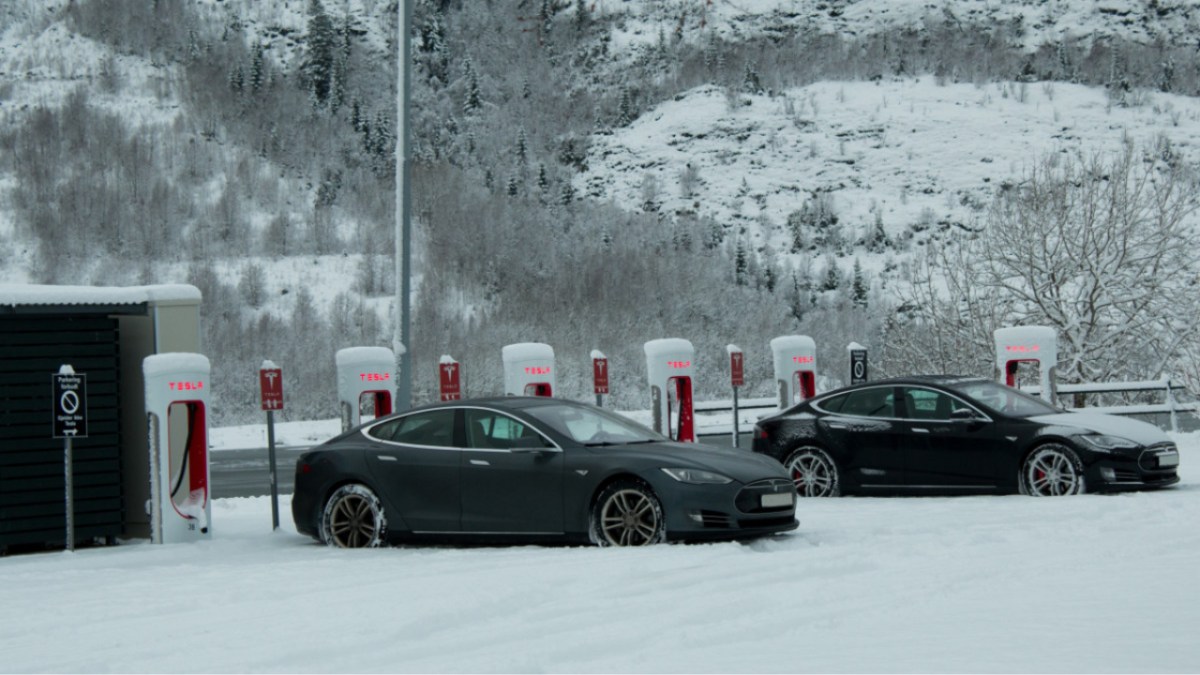
Over the next few years, the heating system failed many times. Technicians found debris inside the fan mechanism during the first year. Shortly after that, a total loss of cabin heat forced the service center to replace the compressor, the main manifold, and the fluid lines - all under warranty. But the real trouble arrived on January 27, 2026 - when preheating the cabin, smoke and a strong chemical odor filled the vehicle.
By this time, the car's 49,700 miles warranty had expired, and the odometer showed 98,313 miles. Tesla refused to cover the replacement costs or split the bill, leaving the owner with an out-of-pocket repair invoice of $4,476.55. After the company officially rejected her formal demand on March 17, 2026, she took legal action. The law firm Perrier Avocats filed the class action request before Quebec's Superior Court with the aim of protecting all local consumers who own or lease a heat pump-equipped vehicle from the brand.
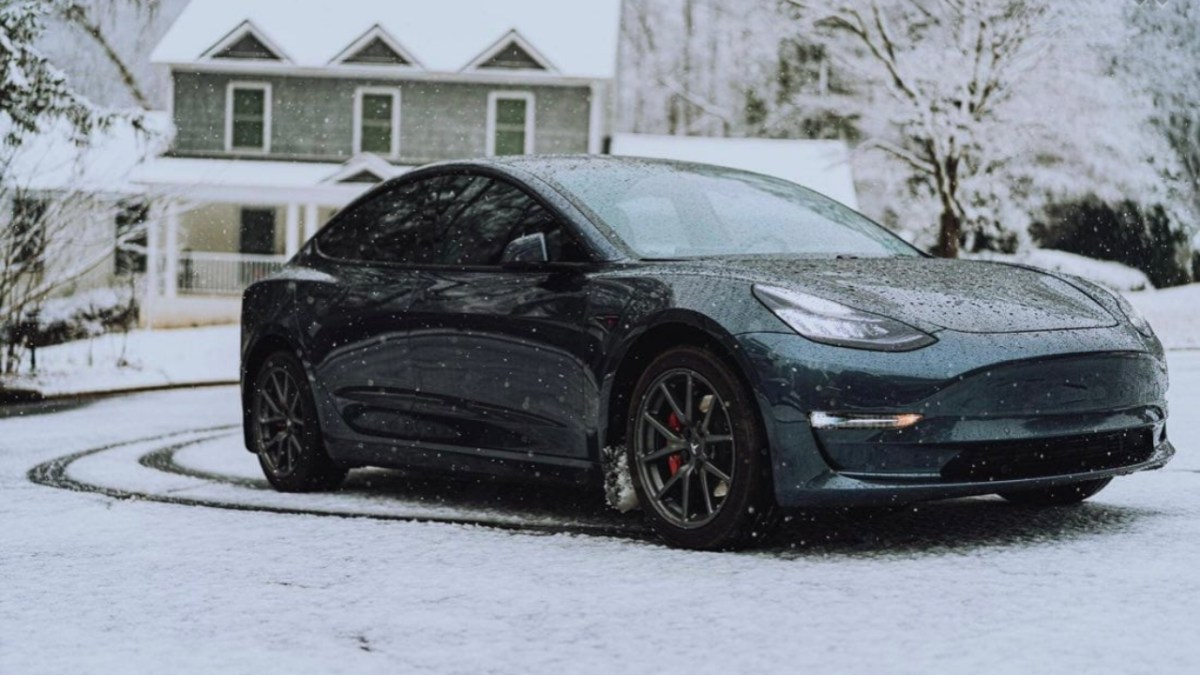
The legal challenge covers the entire range of Tesla EVs across several model years. The lawsuit includes Model Y 2020 and newer, Model 3 2021 and newer, Model S 2021 and newer, Model X 2021 and newer, and Cybertruck - 2023 and newer.
The lawsuit argues that the climate control systems suffer from a "hidden defect" under Quebec's Civil Code and Consumer Protection Act. Lawyers claim that a vehicle at this price point should operate without major repairs for a reasonable lifespan. The filing states that a vehicle of Tesla's price and quality should serve without major repair for at least 10 years or 124,000 miles - a standard the plaintiff's vehicle failed to meet by a wide margin. And finally, the suit claims Tesla knew about the component flaws but failed to warn buyers before they finalized their purchases.
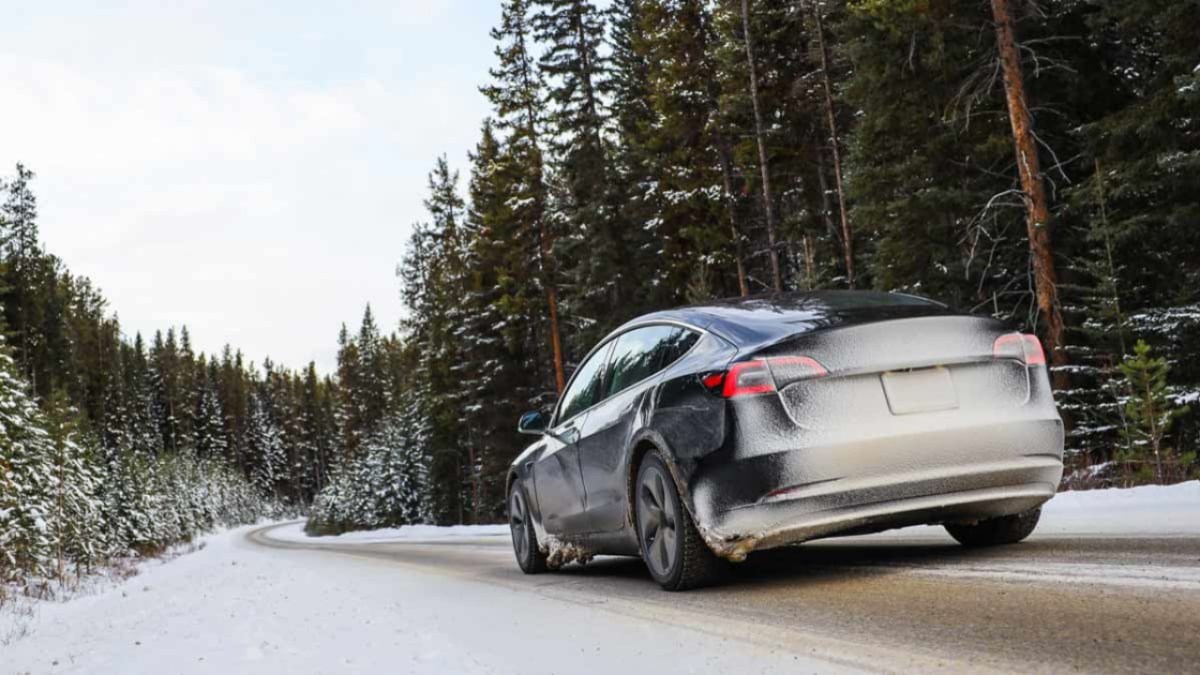
Drivers in Quebec regularly face harsh winter conditions where temperatures plunge below -4°F. In this climate, a working heater is a safety necessity, not a luxury. Tesla moved away from traditional ceramic heaters to complex heat pumps to maximize driving range for its electric cars. These heat pumps link directly to the main battery thermal management system. Because of this high level of integration, owners cannot use independent repair shops, and they must pay between $3,800 and $4,700 for out-of-warranty repairs at official service centers.
Heating complaints first surfaced in early 2021 and escalated during the 2022 winter when systems failed completely in temperatures below 14°F. Tesla CEO Elon Musk originally promised a simple software update to recalibrate a valve. Unfortunately, service technicians acknowledged a physical hardware fault: ice buildup jams the internal flaps, trapping refrigerant and stopping the compressor. The National Highway Traffic Safety Administration (NHTSA) eventually ordered a safety recall because the defect stopped windshield defrosting. Transport Canada also launched an official investigation after receiving more than 170 complaints on the matter.
This latest lawsuit is just one part of Tesla's mounting legal pressures. The company already faces separate class actions in Quebec for premature paint peeling and changes to its Premium Connectivity subscription. Globally, the automaker defends itself against lawsuits totaling up to $14.5 billion across multiple regions. Quebec has some of the strongest consumer defense laws in North America, meaning this heat pump dispute could turn into an expensive reality check for the EV giant.



From the team behind
GSMArena.com
Facebook
Twitter
Instagram
RSS
Settings
Log in I forgot my password Sign up