Tesla sales drop in Europe continues in the first month of 2026
The new year has brought more trouble for Tesla in Europe. The latest data shows that the American automaker is struggling to keep its footing across the continent. In five major European markets, new car registrations for the brand are down 44% in January 2026, when compared to the same time last year. This sharp drop marks the third year in a row that the company has seen its numbers shrink in the region.
Norway, which has long been a stronghold for electric cars, saw the most dramatic change. Registrations there plummeted by 88%, with only 83 new EVs from the brand hitting the road in January. While experts expected some decline because the country ended several tax breaks on January 1, the scale of the collapse surprised many. Other countries followed a similar path, with the Netherlands reporting a 67% drop and France falling by 42%.
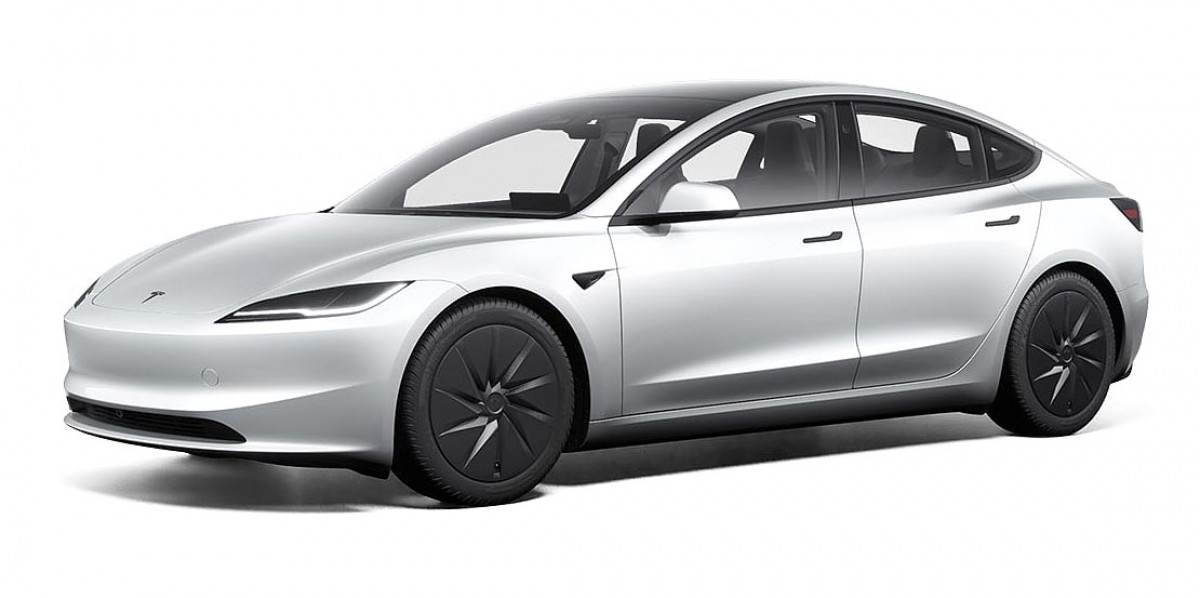 Tesla Model 3 Standard - source: Tesla
The company is currently dealing with a trend that seems to be getting faster. After a 10% dip in 2024 and a nearly 28% slide in 2025, the start of 2026 suggests the floor has not yet been reached. Even in places like Sweden and Denmark, where the brand saw gains of 26% and 3%, the actual number of cars sold remains low. These small increases do little to hide the fact that total volume is significantly lower than it was two years ago.
Several factors are coming together to create this difficult environment. One major issue is that Tesla's current lineup of EVs is starting to feel old to buyers. The Model Y, which has been a top seller for years, is now over four years old. In the fast-moving world of electric cars, customers are looking for the next big thing. The company introduced a more affordable "Standard" version of the Model Y and Model 3 recently, but these updates have not been enough to stop the slide.
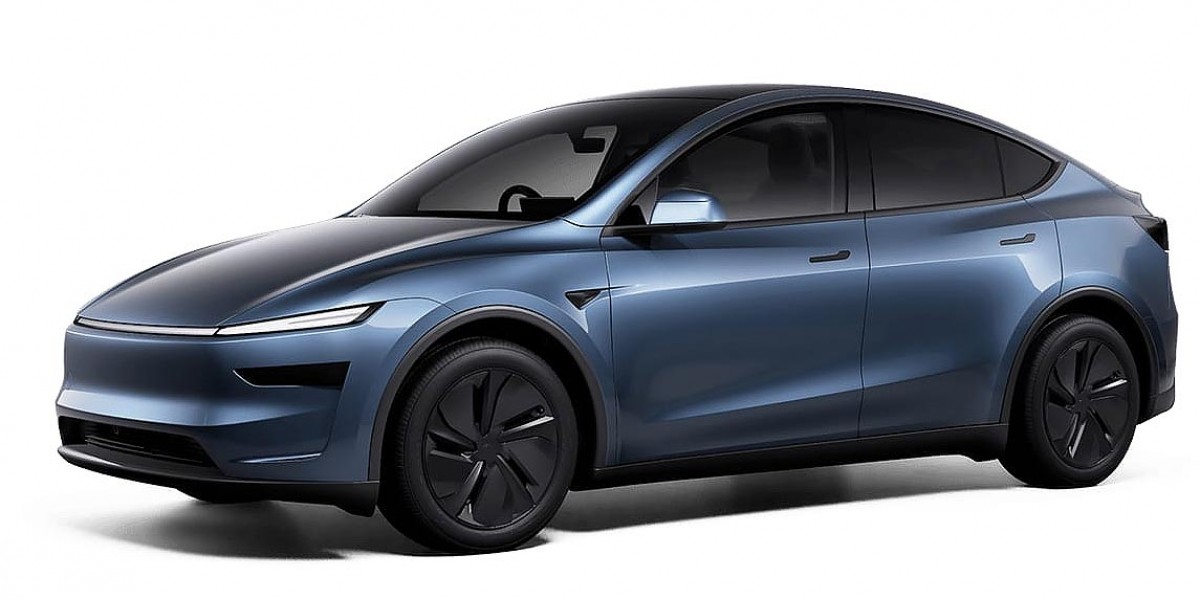 Tesla Model Y - source: Tesla
At the same time, competition is heating up. Chinese brands like BYD are moving into Europe with fresh designs and lower prices. In the Netherlands, the American brand fell from the top spot all the way to fifth place in just one month. European giants like Volkswagen are also fighting back. In 2025, Volkswagen actually overtook its American rival to become the top-selling brand for electric cars in Europe, selling roughly 274,000 units compared to Tesla's 235,000.
There's no hiding from the fact that the brand's public image is taking a hit. Many European buyers are sensitive to the political actions and public comments of CEO Elon Musk. In a market where people often buy EVs to support environmental and social causes, Musk's behavior has alienated many of his core fans. For quite a few shoppers, the car is a statement they might not want to make anymore.
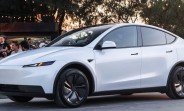
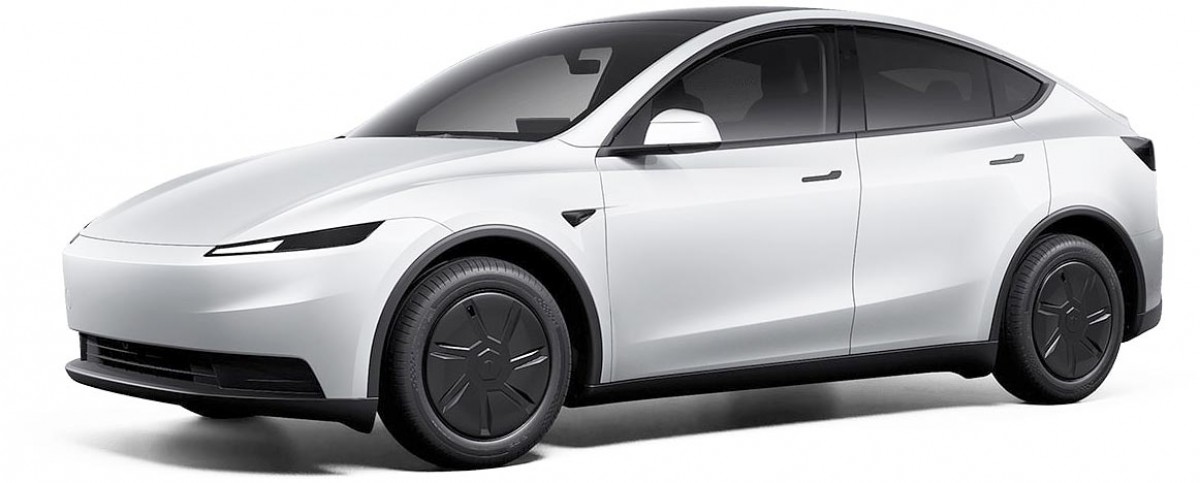 2026 Tesla Model Y Standard - source: Tesla
Changes in government rules are also playing a role. Many European nations are cutting back on the subsidies that made expensive electric cars easier to buy. Since Tesla models often carry a higher price tag than budget competitors, they are hit harder when these incentives disappear. France recently changed its rules in a way that made some versions of the Model 3 ineligible for tax breaks because of where they are manufactured.
More data is expected soon from Germany, Italy, and the UK, and early signs suggest those reports will not be much better. Germany, once Tesla's biggest market in Europe, saw a 48% drop in sales over the course of 2025. As newer, cheaper options fill the showrooms of competitors, the pioneer of the modern electric vehicle finds itself in an uncomfortably defensive position.



From the team behind
GSMArena.com
Facebook
Twitter
Instagram
RSS
Settings
Log in I forgot my password Sign up