The illusion of driverless Teslas revealed by latest NHTSA report
Here at Arena EV, we've been tracking the chaotic evolution of the electric vehicle market for a while now, watching automakers swap between wild electrification pledges and panicked U-turns. But nothing quite prepared us for the bureaucratic poetry of federal safety filings. A fresh batch of National Highway Traffic Safety Administration data contains four newly unredacted incident reports from Tesla about its Robotaxi program. The numbers might look like low-speed driveway scuffs, but the details reveal a fundamental (and very ironic) vulnerability in Tesla's race for true autonomy.
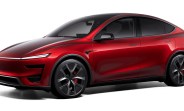
Consider the most illuminating incident of the group, report number 13781-15395, which played out on a quiet, dead-end residential road in Houston. A Tesla Model Y, the hardware foundation for the company's autonomous testing, found itself confused by the local geography and ground to a halt. The Automated Driving System, or ADS, threw up its virtual hands and requested human intervention. But instead of an in-vehicle safety driver taking the physical wheel, a remote operator sitting at a desk somewhere else took control over a cellular data link. According to Tesla's official filing, the operator supported the vehicle out of the dead end, but somehow the Model Y wandered onto a grassy slope and bumped straight into a hidden tree stump.
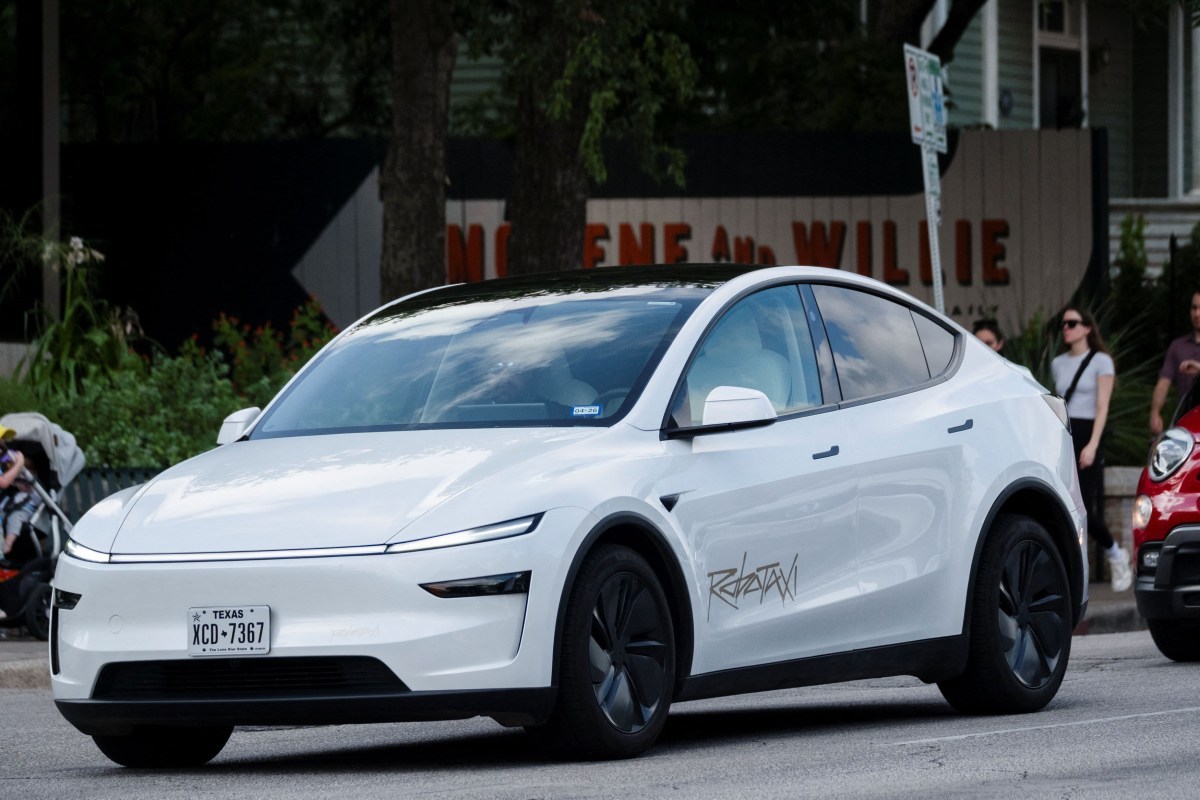
The physical consequences were negligible. The car was traveling at a pre-crash speed of just 2 mph. There were no injuries, no airbag deployments, and the vehicle did not even need a tow truck. Financially, it was a minor bumper scrape. But the operational data field was unprecedented. For the first time across 22 unique ADS incident reports, Tesla formally coded the driver type as "Remote (Commercial / Test)."
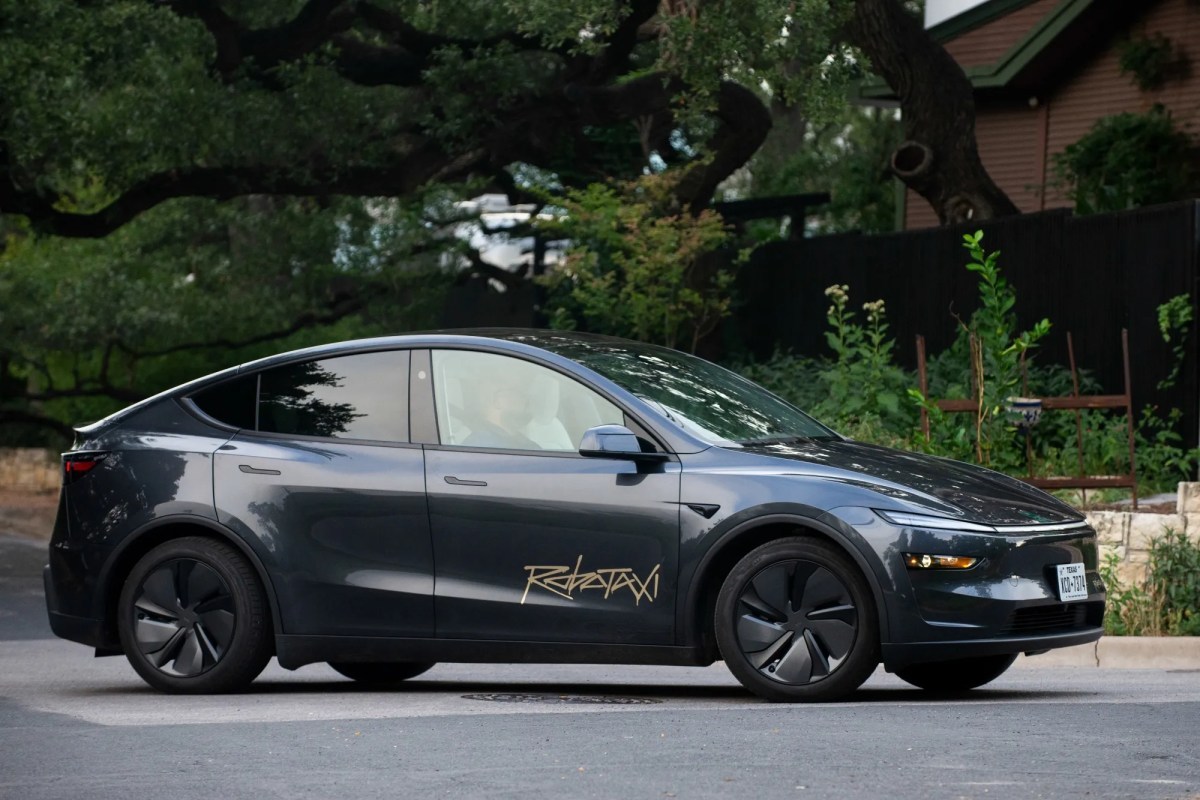
This Houston stump-bump is the third time a Tesla remote intervention has ended up in a collision - potentially a problematic pattern. The two earlier incidents only surfaced when Tesla unredacted its older reports. In July 2025, an Austin-based safety monitor requested remote navigation assistance, prompting a teleoperator to take control, accelerate to 8 mph, and drive the vehicle over a curb into a metal fence. In January 2026, a similar request for help ended with a remote operator driving a Tesla into a temporary construction barricade at 9 mph. The emerging loop is almost too predictable: the AI gets confused, a human miles away steps in to salvage the situation, and that human crashes the car.
I find this pattern incredibly telling because it highlights the exact problem that automakers and tech firms have warned about for many years: latency and limited situational awareness. Operating a vehicle over a commercial cellular network means flying blind without the physical feedback of the chassis or the peripheral vision.
When the cameras get fooled by a complex dead end, a construction zone, or a change in terrain, the fallback system is a human staring at a bank of streaming video feeds. Because Tesla does not disclose its total number of remote interventions, I cannot calculate an exact failure rate, but every single remote intervention appearing in their public crash database has ended in a collision.
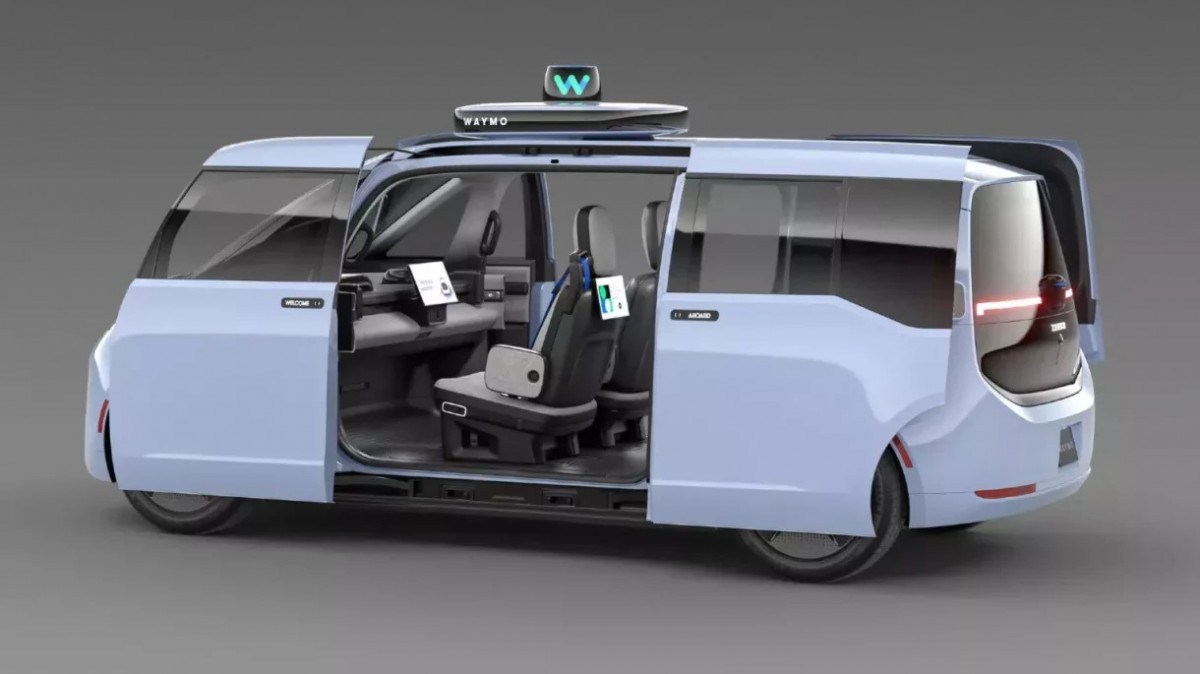
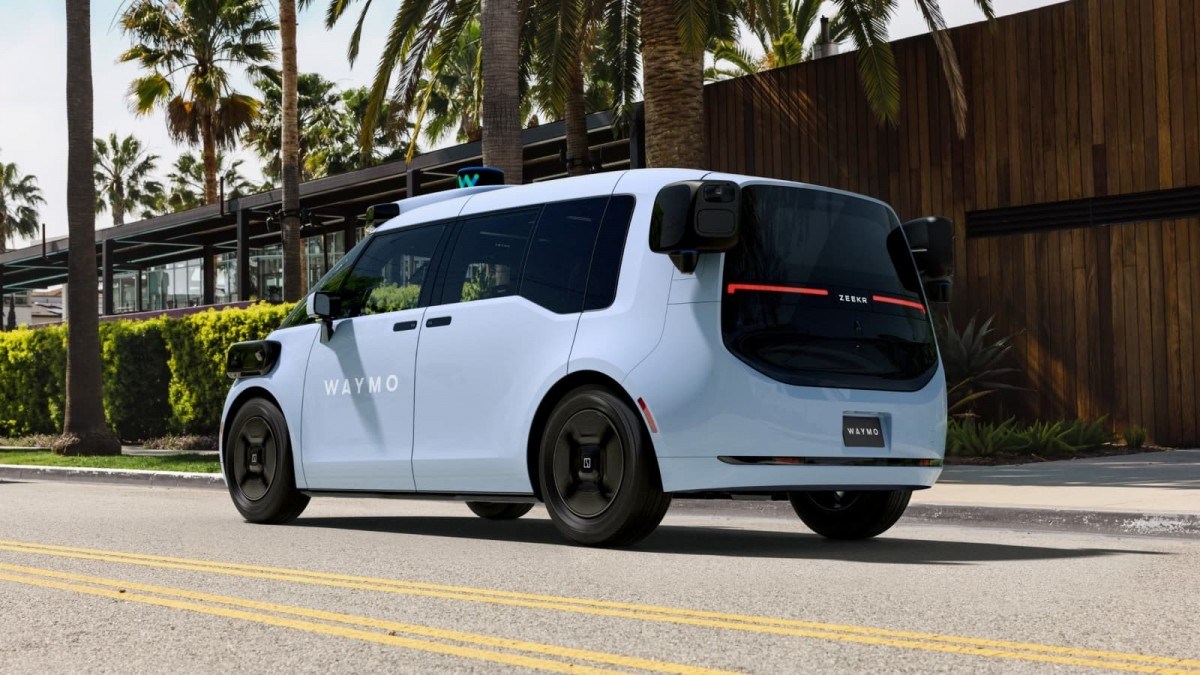
This approach is in stark contrast to how Tesla's main autonomous rival, Alphabet's Waymo, handles the exact same operational edge cases. Waymo clarified that its remote assistance agents explicitly do not perform the dynamic driving task. They do not steer, accelerate, or brake the vehicle remotely. Instead, they provide high-level directional guidance - essentially telling the onboard computer "you are permitted to cross this double yellow line to get around the obstacle" - which the vehicle's software can either accept or reject.
Waymo built a single exception for moving a stuck car at a fixed speed of 2 mph using locked steering angles, but the company claims this tool has never been deployed outside of a closed testing track. Waymo draws a strict line against teleoperation because they know a human operator without physical presence is a compromised driver.
The remaining three crashes in this mid-May to mid-June reporting window paint a picture of an autonomous fleet struggling with mundane urban architecture. In Dallas, a Model Y turned into a parking lot entrance at 5 mph and struck a thin metal chain blocking the path. Curiously, this was a carbon copy of an Austin crash from September 2025, where another Tesla hit a metal chain at 6 mph under identical circumstances. The camera system simply cannot reliably resolve thin, suspended metal barriers. The other two Austin reports involved humans crashing into the Teslas - one parking lot incident where an SUV reversed into a stationary Model Y, and a work-zone collision where a construction truck abruptly backed into a trailing Tesla.
To give credit where it is due, the wider data shows that when the autonomous system is left to its own devices, it is rarely the instigator of high-speed chaos. When Tesla finally dropped its long-held insistence on redacting these narratives as proprietary business secrets, the transparency proved that the vast majority of its autonomy crashes are low-speed rear-endings and sideswipes caused by distracted drivers. It is the same reality Waymo faces daily: human drivers are unpredictable. Tesla can rightfully claim innocence when an SUV backs into its bumper, but it cannot hide from the statistical reality of its own remote operation network.
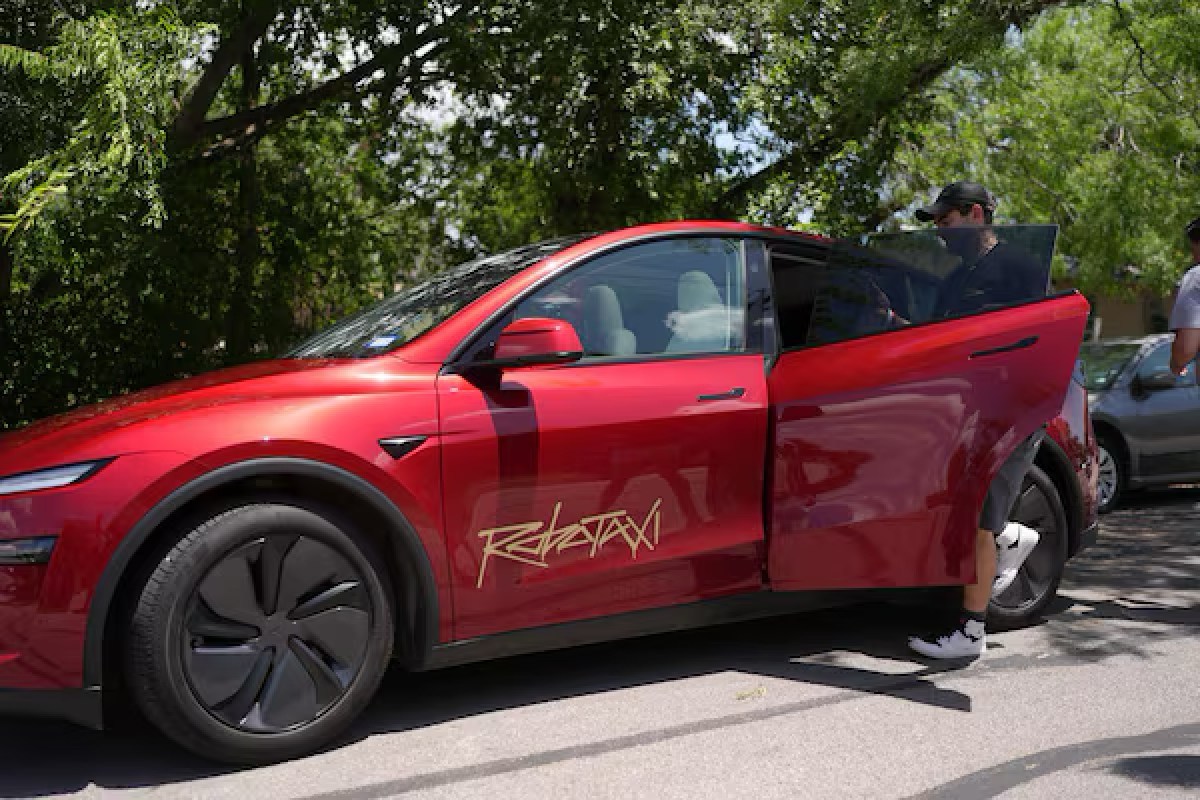
The regional distribution of these incidents shows just how fragile the pilot programs are. According to local fleet tracking data, Tesla launched its operations in Houston and Dallas with incredibly tight geographic fences, running only three active vehicles in Houston and seven in Dallas. Austin has a slightly larger footprint with 16 active cars. Yet, off a tiny pool of just three active vehicles in Houston, it took less than a month of operation for a vehicle to get stuck on a dead-end street and need a remote rescue that ended in a tree stump.
The frequency of interventions for such a small fleet suggests that the dream of unmonitored, mass-market driverless mobility is anchored by heavy human support. Every step forward for the hardware reminds us that the human behind the curtain is still struggling to bridge the gap.
Reader comments
- FredSpain
- pGV
There is one thing i don't understand: from several years, Elon Musk ahould be awarded the Nobel prize of best world liar!
- Samath KTM rider
- XVn
I feel that initially we can have proper driverless Teslas right today, in such a way that the driver is placed elsewhere and controlling it using encrypted internet connection. There should be a main camera above the car's rear end, a little ...

From the team behind
GSMArena.com
Facebook
Twitter
Instagram
RSS
Settings
Log in I forgot my password Sign up