ADAC test proves electric cars to be even more reliable
A comprehensive study conducted by the German Automobile Club (ADAC), Europe's largest roadside assistance organization, reveals a curious trend in vehicle reliability: electric cars are breaking down less frequently than their gasoline-powered counterparts.
The ADAC's "Yellow Angels" attended to over 3.6 million breakdowns in the past year, and meticulously recorded the details of each incident. This extensive data now provides compelling evidence that the dependability of EVs may be surpassing that of traditional internal combustion engine vehicles.
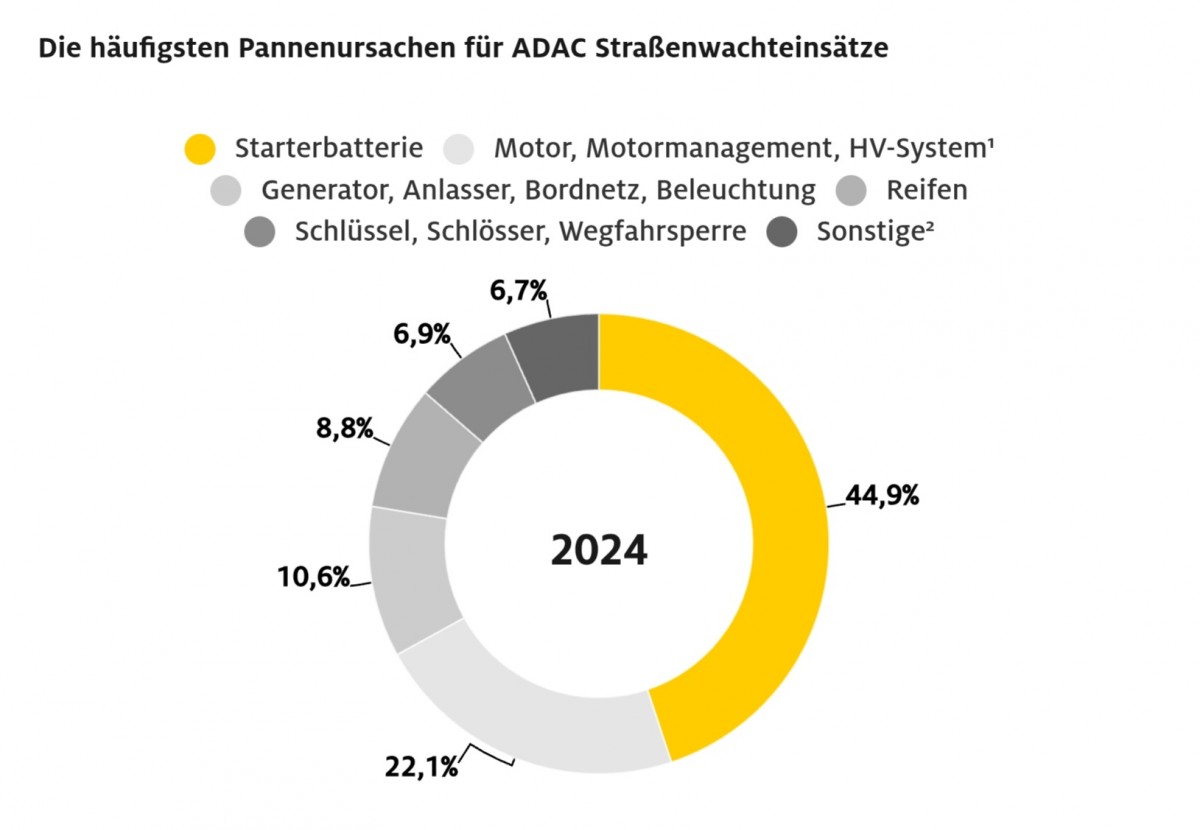 12V battery is the most common culprit for vehicle emergencies
For the first time in 2024, the ADAC felt confident enough with its data to make a definitive statement on EV reliability, and the findings clearly favored electric vehicles. With an additional year of data now analyzed, this conclusion has only strengthened. While the organization noted an increase in the total number of service calls for EVs, these accounted for a mere 1.2% (43,678 out of 3.6 million) of all breakdowns. The ADAC suggests this rise is likely attributed to the growing number of electric cars on the road and the fact that some of these EVs are now a year older, providing a more accurate picture of their reliability over time.
The study highlighted an interesting statistic: for vehicles first registered between 2020 and 2022, EVs experienced an average of just 4.2 breakdowns per 1,000 vehicles. Combustion engine cars in the same age bracket reported 10.4 breakdowns per 1,000 vehicles – more than double the rate of EVs.
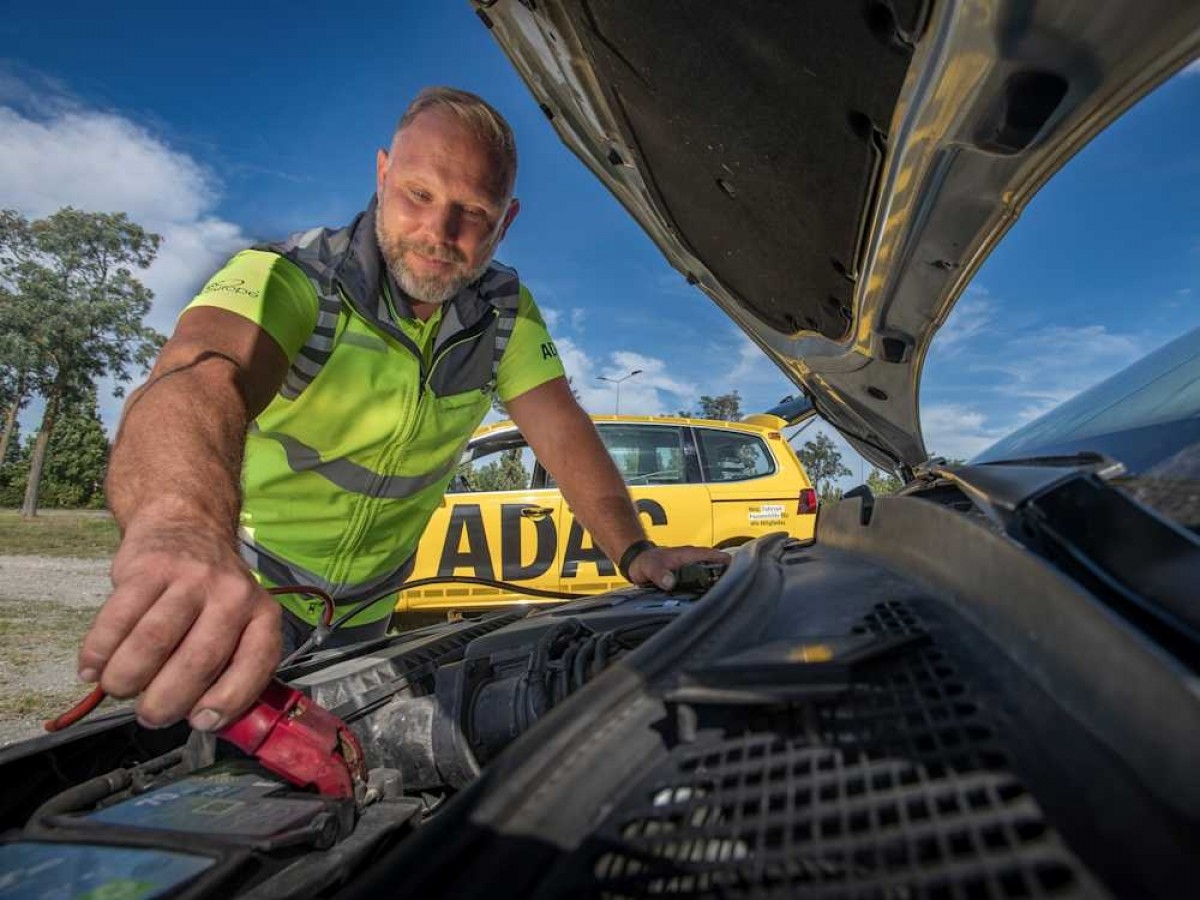
Interestingly, the most common cause of breakdowns for both types of vehicles was the same: the 12-volt battery. This issue accounted for 50% of EV breakdowns and 45% of ICE car breakdowns. Across almost all other categories, including the electrical system, engine management, and lighting, combustion cars experienced equal or more problems compared to EVs over the past few years.
The study did identify one area where electric cars appear to face more challenges: tires. Specifically, 1.3 out of every 1,000 service calls for EVs were related to tire issues, while combustion cars reported only 0.9 such calls per 1,000 vehicles, with newer EVs exhibiting a much lower rate of tire-related problems.


Reader comments
- Anonymous
- X95
All of my electric and hybrid cars break down because of the tires (automatic breaking for regen causes them to lose tread faster), inverter (blown pcb capacitors), and high voltage cable insulation failure (road salt and snow/water intrusion). Every...
- Sinnaoi
- M8r
Yep.... You obviously know a lot about the reasons people opt for EVs... Keep telling that to yourself!
- AC-DC-EV
- Hqx
Generally, EVs are taken up by people who novices when it comes to car matters (e.g. yourself) so they can avoid the oil, fuel, changing their own tyres and the rest of the "icky" stuff.

From the team behind
GSMArena.com
Facebook
Twitter
Instagram
RSS
Settings
Log in I forgot my password Sign up