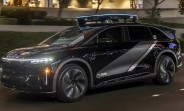
San Francisco streets welcome new self-driving Lucid Gravity electric cars
The foggy streets of San Francisco are becoming a testing ground for the future of transportation. A new partnership between three major companies is putting a fleet of self-driving electric cars on the road. This project involves Uber, the famous ride-sharing giant, Lucid Motors, a luxury EV maker, and Nuro, a company that specializes in autonomous driving technology. Together, they are working on a specialized version of the Lucid Gravity SUV that can navigate city streets without a human behind the wheel.
The three companies first announced their plans in July 2025. Each company brings something different to the table. Lucid Motors provides the high-end hardware with its Lucid Gravity model. Nuro supplies the "brain" of the operation, which is a Level 4 autonomous system they call "Driver." Uber provides the platform and the customers who will eventually ride in these EVs.
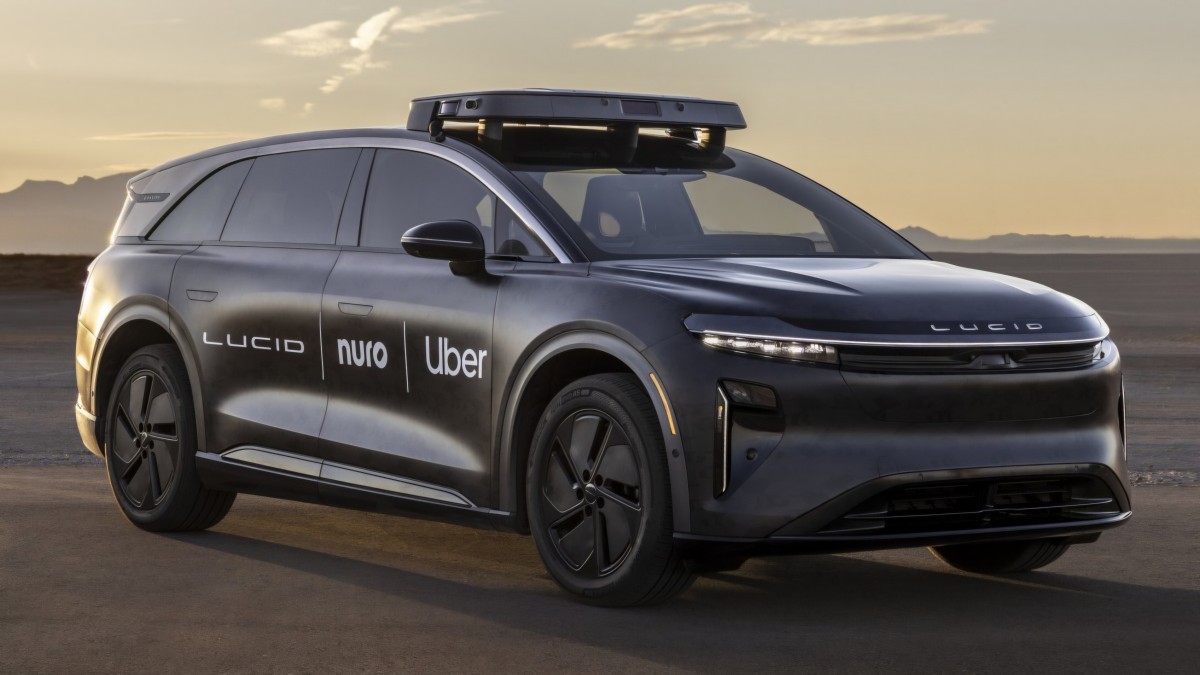 Lucid Gravity robotaxi
By October 2025, the group decided that the San Francisco Bay Area would be the first place to see these cars. Fast forward to January 2026, and they showed off a "production-intent" version of the vehicle. This means the car looked exactly like the ones they planned to build in large numbers. Now, in April 2026, the project has moved into a very important phase: real-world testing with real passengers.
Right now, if you live in San Francisco, you might see these sleek SUVs driving around, but you cannot hop in one just yet. For this initial phase, only Uber employees can request a ride in a Lucid Gravity through their app. This allows the companies to see how the software handles traffic and how people feel while sitting in a car that drives itself.
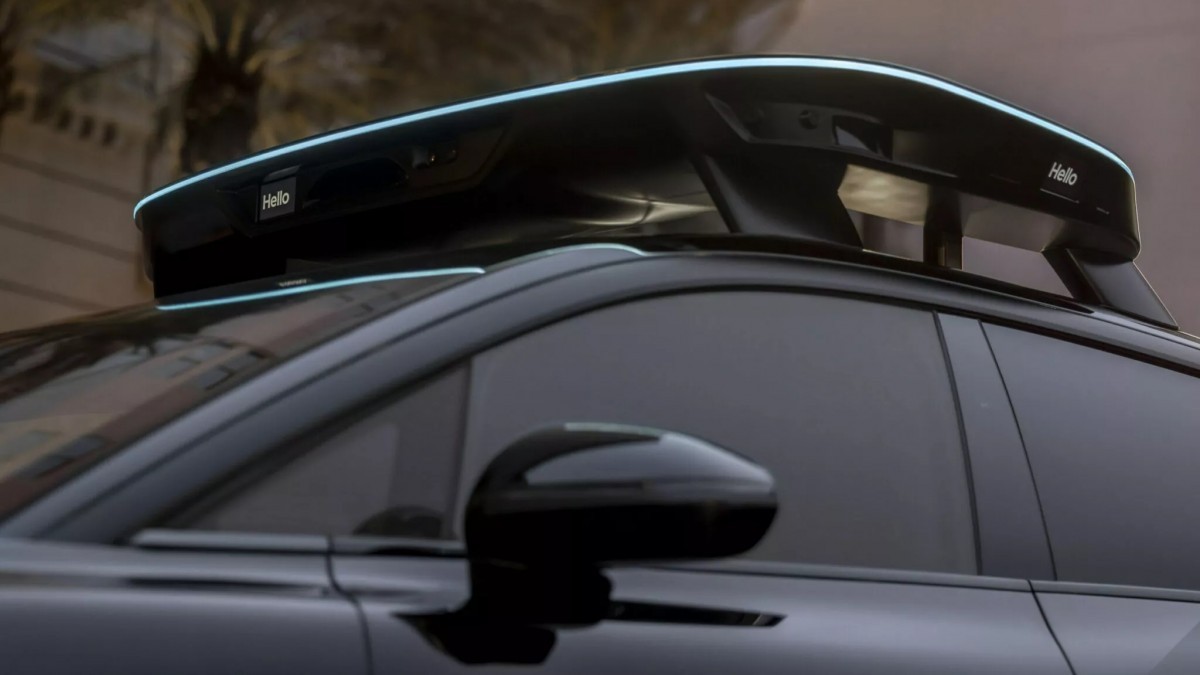
The goal is a fully robotic experience, but the test rides still have a person in the front seat. This "safety driver" is there to take control if the computer makes a mistake or if something unexpected happens. The companies want to make sure everything is perfect before they let the general public ride without a backup human.
The Lucid Gravity is a luxury electric SUV designed to be spacious and comfortable. The vehicle measures about 16.5 ft in length, and offers enough space for up to seven people in the retail version, though the robotaxi version is optimized for passenger comfort and tech gear.
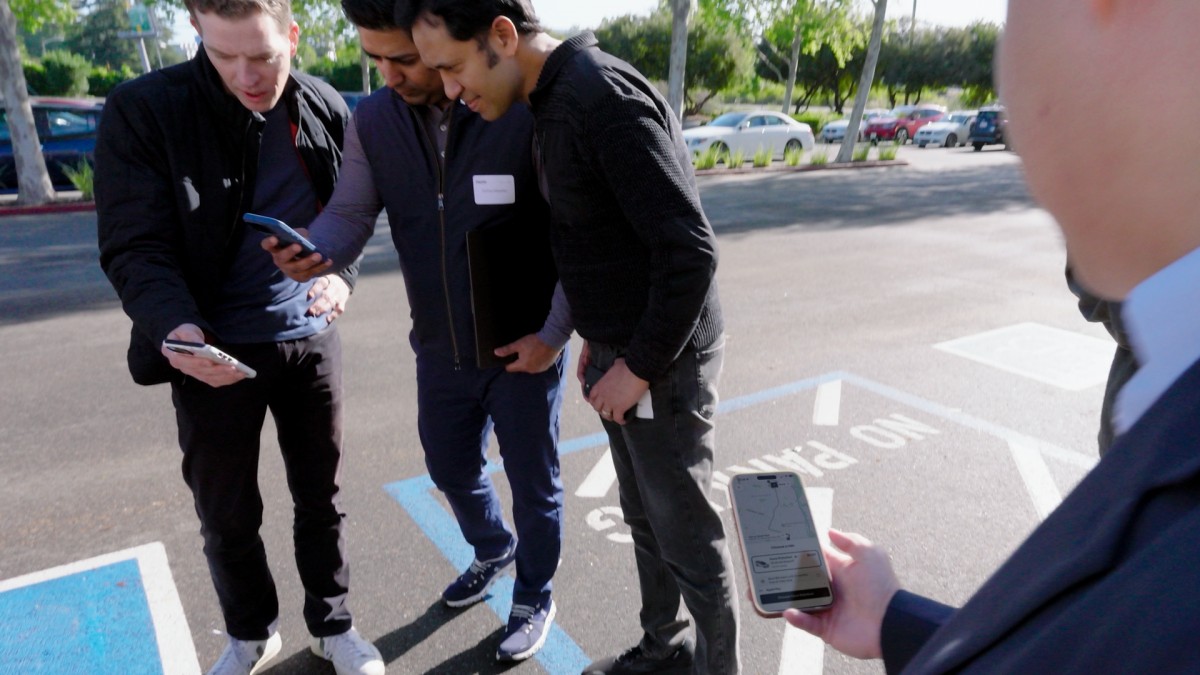 Uber employees booking a ride in Lucid Gravity
The car can travel over 435 miles on a single charge, which is great for a taxi that needs to work all day. If the battery does run low, its 900V electrical system allows it to charge incredibly fast. It can add 199 miles of range in about 15 minutes.
To "see" the world, the Lucid Gravity uses a mix of cameras, radar, and LiDAR sensors. These sensors work together to create a 360-degree view of the street. The car can see a pedestrian stepping off a curb or a cyclist in a blind spot much faster than a person could. Nuro currently has a fleet of nearly 100 vehicles driving around different US cities to collect data and make the software even smarter.
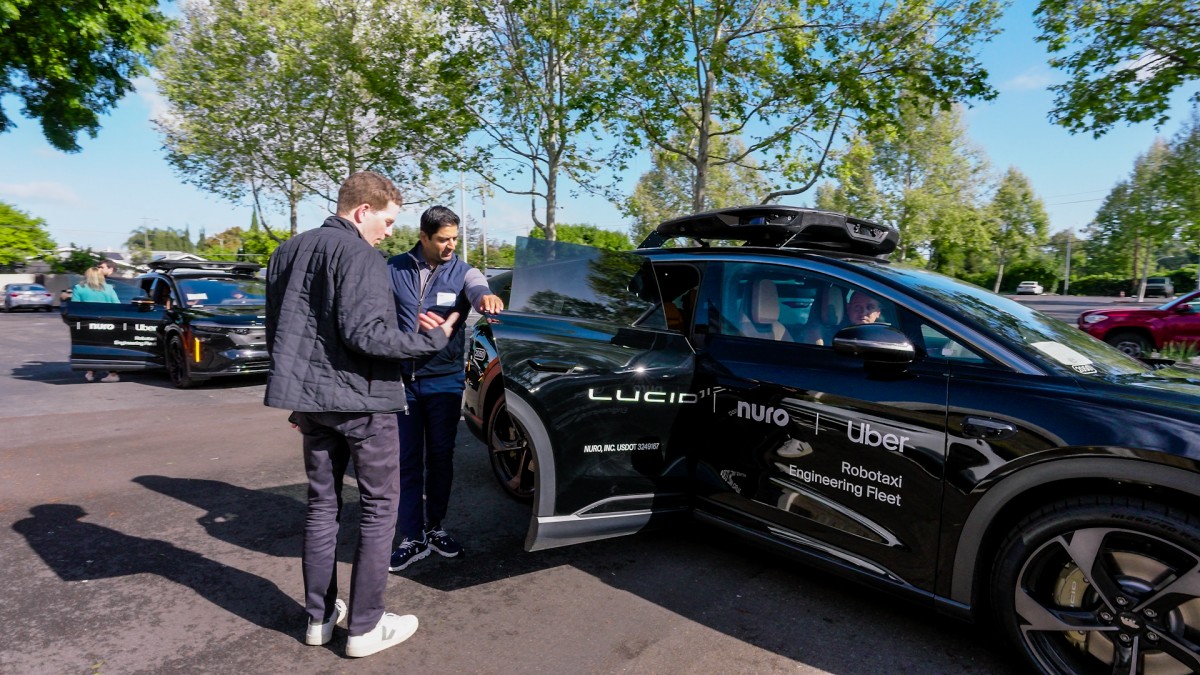 Uber employees testing the self-driving Lucid Gravity
Uber has committed to using up to 20,000 Lucid Gravity robotaxis. The companies plan to start letting the general public in San Francisco book these rides later this year. Once they are sure the system is safe and reliable, they plan to expand.
Over the next six years, the partnership plans to bring these self-driving EVs to dozens of markets around the world. It is a massive goal, but they are moving quickly. Some people might be nervous about a computer driving them through busy streets, but for many, the idea of a quiet, luxury SUV arriving at their door with the tap of a button is very exciting.



From the team behind
GSMArena.com
Facebook
Twitter
Instagram
RSS
Settings
Log in I forgot my password Sign up