Tesla taken to court again, this time it's about the recent fatal Texas home crash

The family of the 76-year-old woman who passed away in her house after a Tesla Model 3 crashed into the front room at 73 mph is now suing Tesla and the driver. The suit is filed by the woman's daughter and son-in-law and argues that the reason for the June 19 crash is the defectively designed FSD and also accuses the driver of negligence and gross negligence.
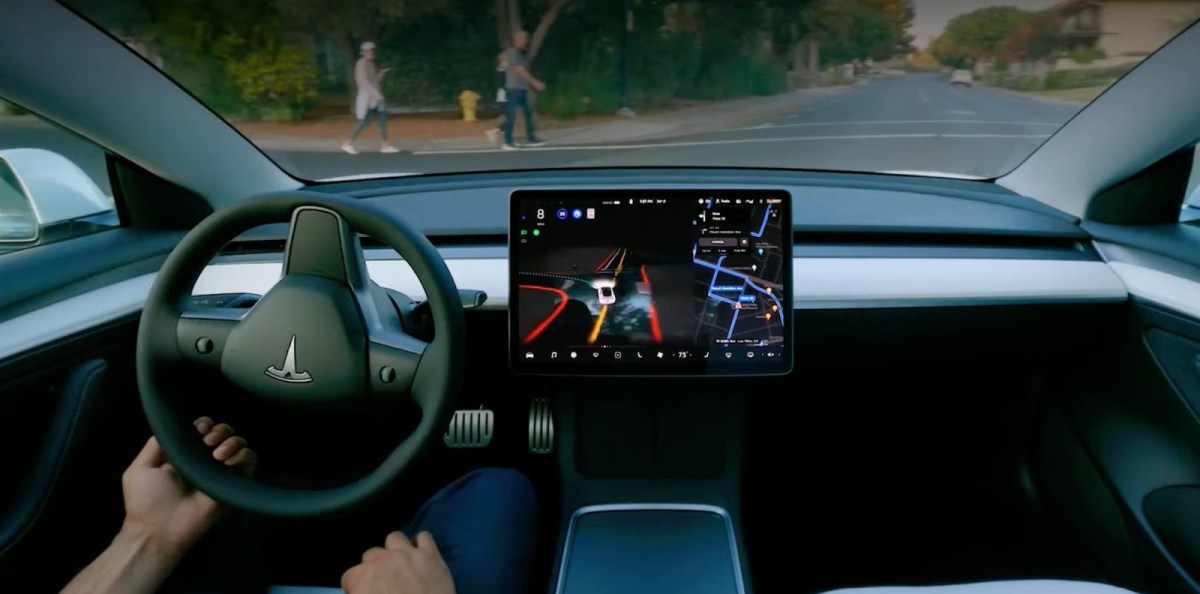
The lawsuit comes shortly after a court verdict in Florida put a 67% blame on a driver who killed one person and injured another due to misuse of Tesla's FSD, while the other 33% of the blame was put on Tesla and awarded the victims $243 million from Tesla alone.
The new lawsuit says the FSD design flaw failed to warn the driver and also failed to detect the end of the street as well as the house in its path. FSD also failed to adequately monitor the driver's engagement.
Of course, Tesla's official statement says the driver is at fault because the internal data shows that while FSD was active at first, the driver overrode it by pressing the accelerator to 100%. Also, FSD couldn't have been active because it can't go at 73 mph in a residential area.
Since the investigation is still ongoing, it's hard to draw conclusions, but one question still remains: if the driver pressed the accelerator instead of the brake pedal, what caused him to react in the first place? Was it an FSD malfunction that forced the driver to intervene, or is there something else that's unrelated to FSD?

From the team behind
GSMArena.com
Facebook
Twitter
Instagram
RSS
Settings
Log in I forgot my password Sign up