Musk denies Tesla might sacrifice its best car factory to reach the stars
Have you ever visited a modern automotive assembly plant? They all have this specific rhythm - a deep, mechanical thud of stamping presses accompanied by the synchronized dance of robotic arms sparking welds into the air. It is the industrial heartbeat of any automaker - it is spectacular, poetic almost.
But the latest rumblings out of Wall Street suggest that Tesla might be preparing to pull the plug on its loudest, most productive heartbeat of all. The house of Musk is apparently (and quietly) weighing the possibility of spinning off, selling, or even winding down its massive Chinese operations. It sounds completely unhinged at first glance, but the underlying motive is pure corporate drama: clearing the path for Tesla's mega-merger with SpaceX.
Elon denies reports that Tesla is selling off Giga Shanghai
— Whole Mars Catalog (@wholemars) July 31, 2026
As a side note can we not delete the posts if he denies the rumor as it makes it difficult for people to see what he’s denying https://t.co/JW6uxRB87b
Naturally, Elon Musk moved quickly to deny the report on X, branding the Wall Street Journal's claims as entirely fake news and declaring that the idea has never even come up in a discussion. Even Tesla's vice president in China, Grace Tao, jumped into the fray on Weibo, indirectly firing shots by citing global reports on the modern dangers of rampant misinformation. But as anyone who has followed the electric vehicle landscape for more than five minutes knows, official corporate denials in this game always warrant a healthy dose of salt and a sideways glance.
The reality is that Musk himself has spent months publicly dangling the prospect of a massive cross-company marriage, dropping heavy hints during earnings calls about the growing overlap between his disparate empires. When analysts pressed him on the matter, he suddenly grew uncharacteristically coy and deferred the question to his general counsel. When a chief executive who usually loves to talk transitions from loud braggadocio to tight-lipped legal caution, you can bet the gears are turning behind the scenes.
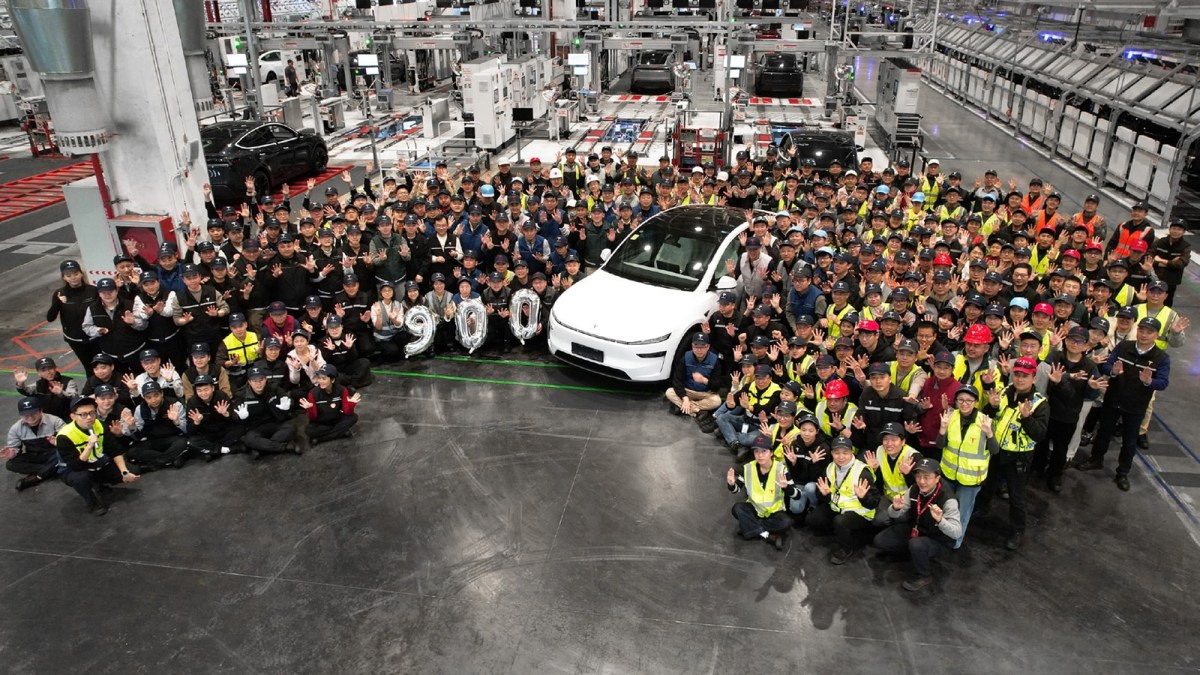
The real friction here is because of a textbook geopolitical collision. SpaceX is no longer a quirky rocket startup - it is a powerhouse defense contractor embedded with the United States military. Giga Shanghai, by contrast, is a manufacturing juggernaut sitting right in the heart of China, reliant on local supply chains and government goodwill.
Bolting a Chinese automotive plant onto a sensitive American defense asset is a complete non-starter in Washington. Federal regulators and senators already scrutinize foreign ownership stakes in aerospace tech, so creating a corporate entity that spans both worlds would trigger pandemonium in the Pentagon. If Musk really wants his grand cosmic merger to lift off without getting blown out of the sky by regulatory missiles, offloading the Chinese car business is the only way to make the national security headache vanish before anyone can launch a formal investigation.
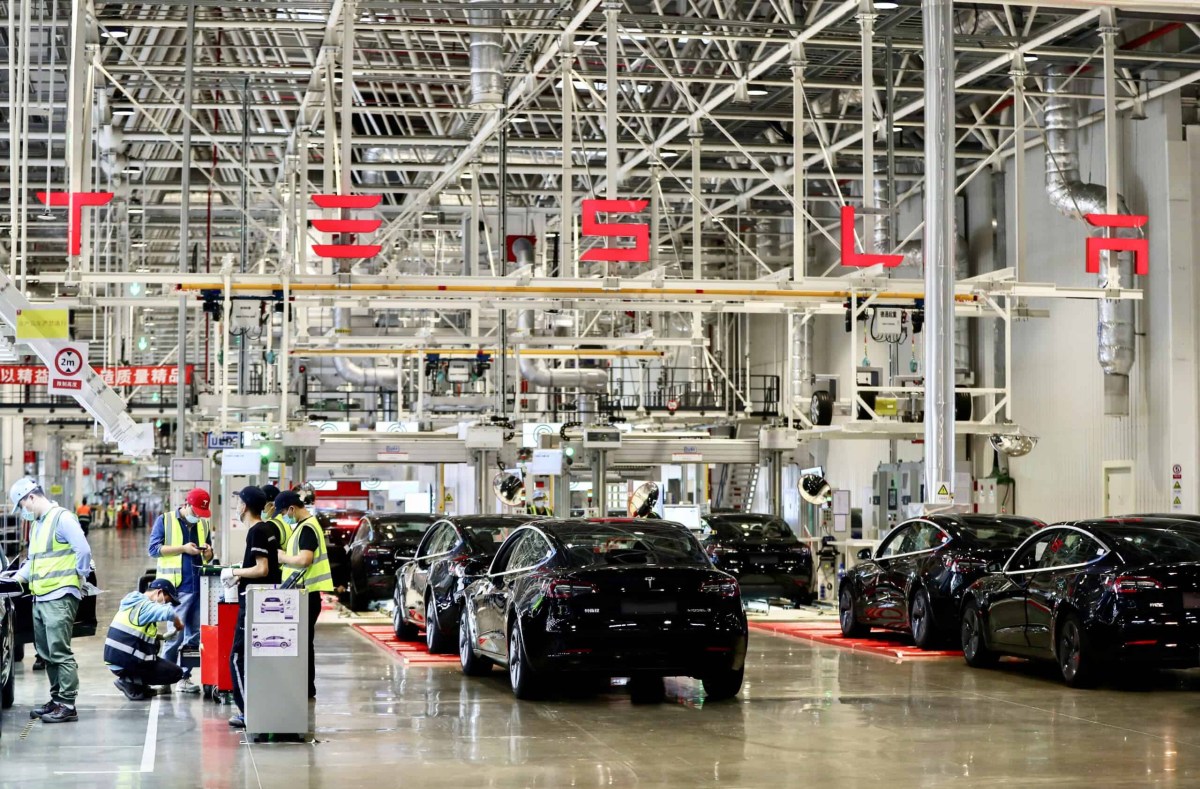
But actually pulling the trigger on a Shanghai divestment would be a sour pill for automotive purists to swallow. Giga Shanghai is not some minor satellite facility or an experimental side project - it is the crown jewel of Tesla's global manufacturing empire. The plant single-handedly rescued the company from its darkest days of production hell, and it builds more than half of all the vehicles Tesla delivers worldwide. It builds them faster, tighter, and with better margins than the factories in Fremont or Berlin. Walking away from the factory that produces your primary cash cows would be an act of corporate self-sabotage.
Then again, the ground under Tesla is getting incredibly slick. The days of American dominance in China have vanished into the rearview mirror, replaced by a brutal fight against hungry local rivals. With local upstarts frequently topping the wholesale sales charts, the pressure on the American pioneer has reached a fever pitch.
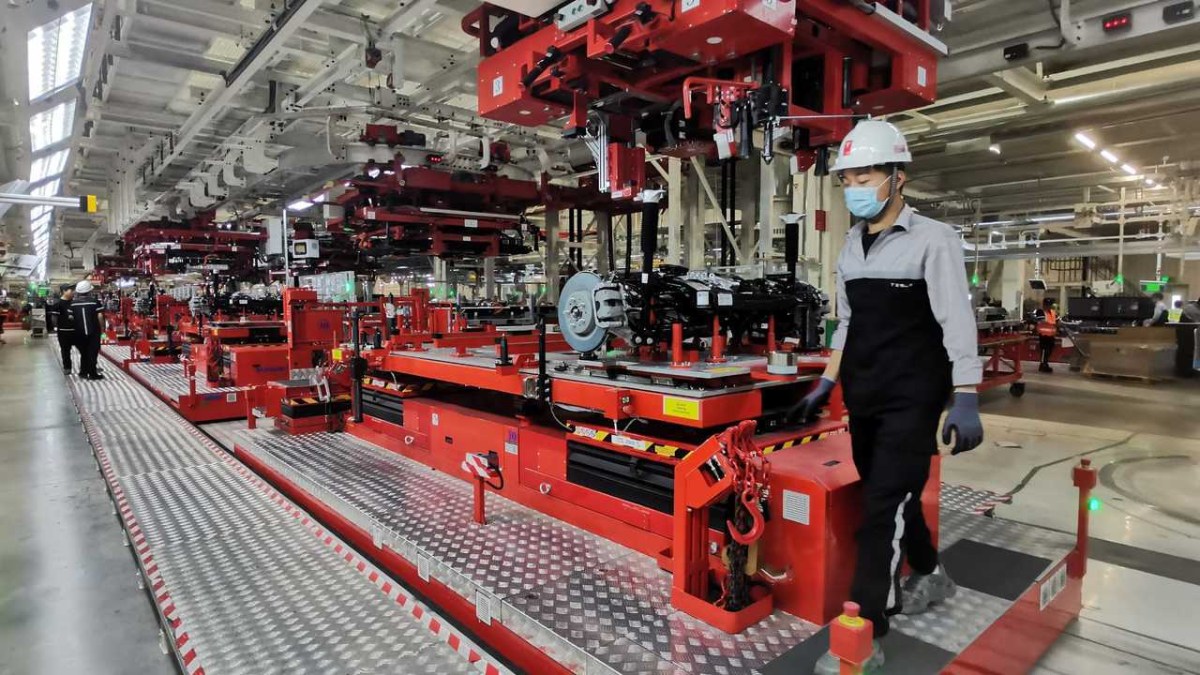
The relentless local onslaught explains the shift in Tesla's regional sales data. During the second quarter, Tesla's domestic deliveries within China slipped below the thirty percent mark for the first time in nearly six years, landing somewhere between 26% to 28% of its global volume. The Shanghai Gigafactory is morphing before our eyes from a domestic powerhouse into an export hub, shipping waves of cars to Europe and the Asia-Pacific region just to keep its one-million-car annual capacity fully utilized.
In fact, exports from the plant eclipsed domestic Chinese sales for the first time in a single quarter. It is a telling pivot - the Chinese market no longer is the easy playground it used to be, and the factory's primary value now is in serving as a low-cost manufacturing springboard for the rest of the globe.
If Tesla does end up slicing away its Chinese arm, it will be the final, definitive step in Musk's grand move away from being a carmaker. For the past two years, the corporate narrative has reframed the company around artificial intelligence, autonomous robotaxis, and humanoid robotics, treating the actual business of making and selling cars like a quaint legacy hobby.
Shedding Shanghai would turn that rhetorical reframing into an undeniable reality. What would remain is a scaled-down, more expensive automotive operation in the United States and Germany, wrapped inside a SpaceX-dominated holding company. With SpaceX fresh off its initial public offering and sitting on a valuation of $1.48 trillion - handily outmuscling Tesla's own $1.22 trillion market cap - the rockets are clearly in the driver's seat.
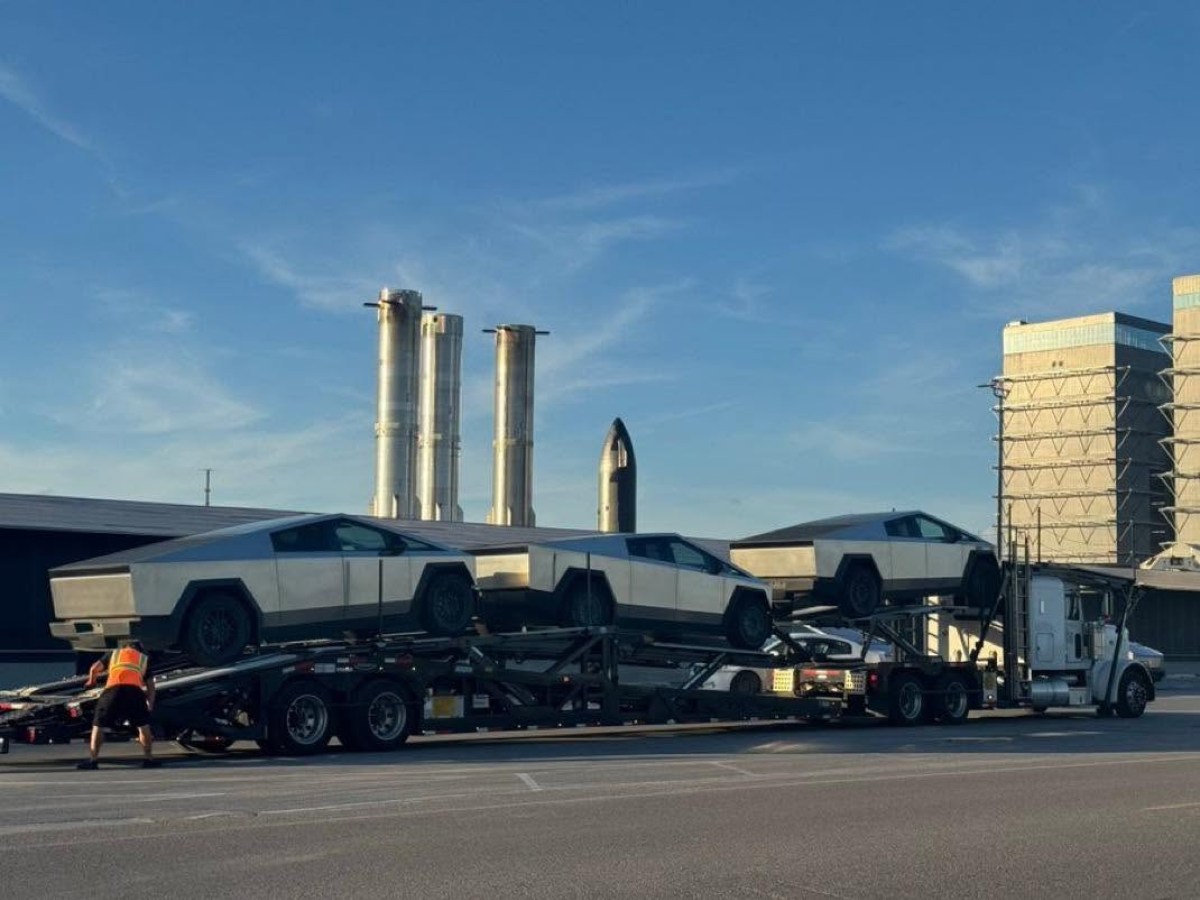
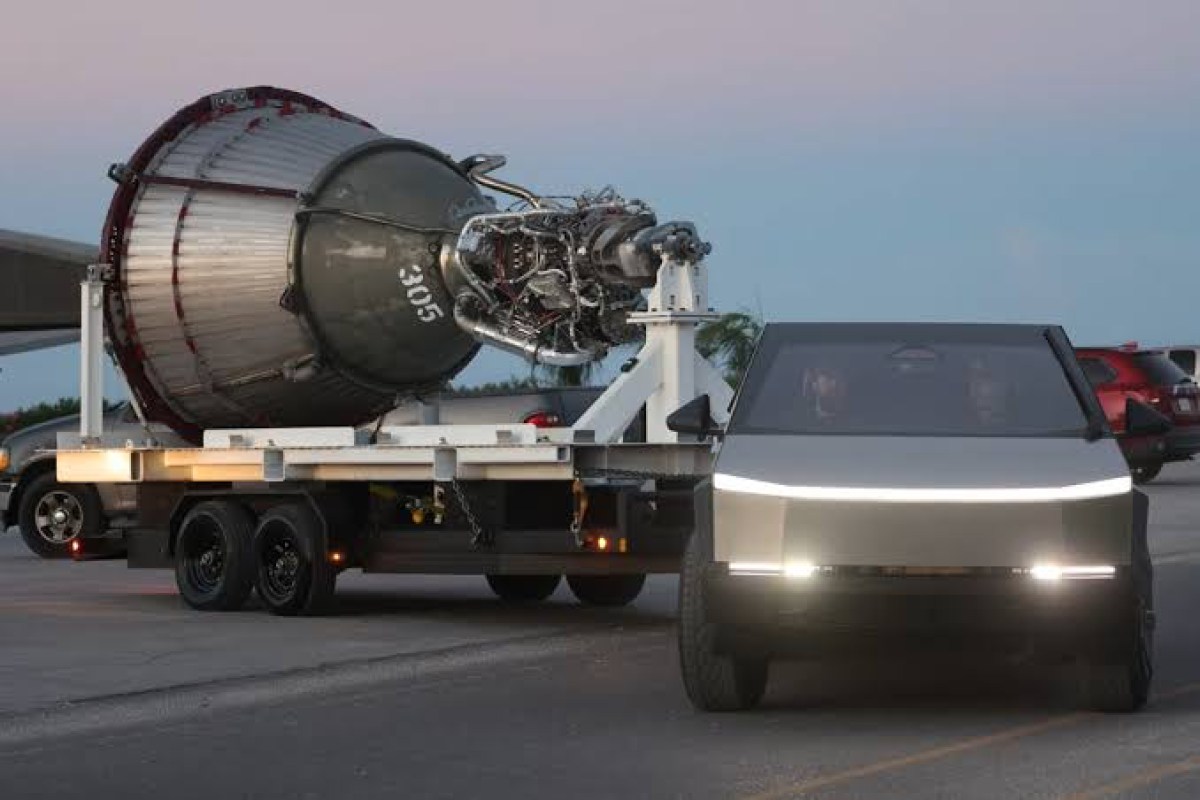
We are already seeing how this bizarre corporate ecosystem intends to operate, with Grok AI chatbots loading into Tesla infotainment screens and Cybertrucks used as support rovers at rocket launchpads. It is a wildly ambitious vision, but for the average enthusiast who originally bought into Tesla because they wanted cutting-edge electric performance and clever engineering, the whole situation feels cynical.
Investors who backed a car company are finding themselves tricked into a defense and AI conglomerate where the cars are a side hustle. I love a bit of a gamble as much as anyone, but cutting loose the manufacturing engine that keeps the business afloat feels like a giant sacrifice just to streamline the boss's growing portfolio.

From the team behind
GSMArena.com
Facebook
Twitter
Instagram
RSS
Settings
Log in I forgot my password Sign up