Tesla’s FSD Lite pushes aging Hardware3 to the boiling point
How times have changed - modern motoring anxiety arrives quietly on a display in the form of a bright red steering wheel icon, a disengagement chime, and a notification declaring self-driving unavailable. You are cruising down the motorway, letting the digital brain handle the boring task of lane-keeping, when the car essentially throws up its hands and surrenders. Under the dashboard, the central processing unit is practically glowing in the dark, struggling to compute what it sees while slowly baking itself to death.
The culprit behind this fresh wave of silicon BBQ is Tesla's Full Self-Driving v14 Lite update, rolled out in late July 2026. Designed as a compressed version of the full-fat software built for newer Hardware 4 vehicles, "Lite" was supposed to be the olive branch thrown to roughly four million owners stuck on aging Hardware 3 architecture. But squeezing a heavy artificial intelligence model into a seven-year-old computer with just 8GB of RAM and one-eighth the memory bandwidth of its successor is a big ask.
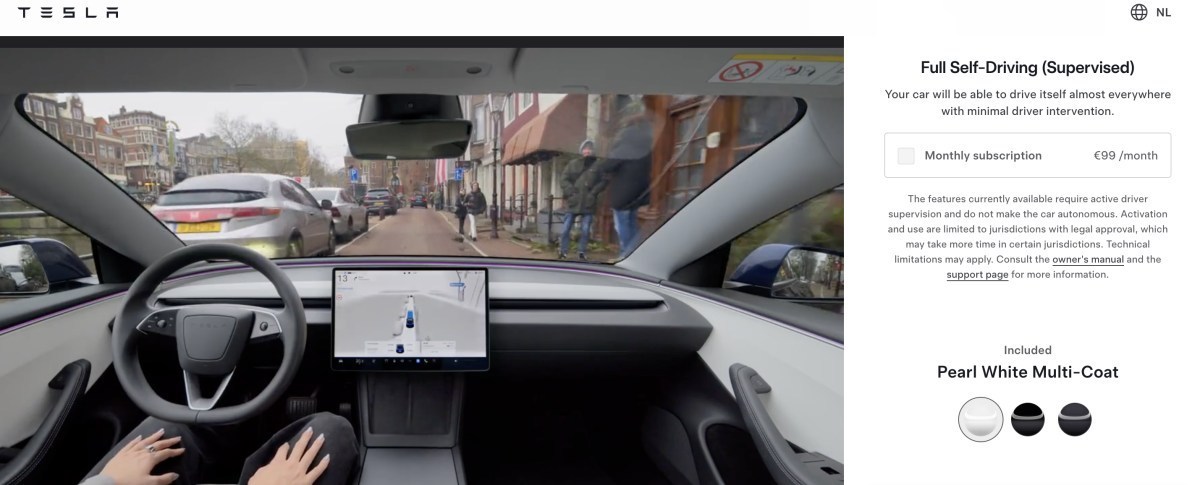
Predictably, the hardware is shouting in protest. Service-mode logs are lighting up with thermal warnings as board temperatures climb past 194°F and spike as high as 205°F, forcing thermal throttling, errant behavior, and in the worst cases, complete ECU cardiac arrest.
Behind the wheel, the symptoms are serious. When Tesla's digital brain starts thermal throttling, trying to steer a two-tonne EV down the road at the same time, the whole experience turns wild. Owners report phantom braking, erratic behavior at empty junctions, and stuttering on the stoppers similar to a panicking learner driver working the pedals for the first time.
V14 Lite threw up the red hands and refused to re-engage several times.
— The Michigan Tesla (@Michigan_Tesla) July 23, 2026
Checked service mode and it’s due to the AP ECU overheating. pic.twitter.com/szCo26YWRm
When the computer reaches its thermal limit, it simply shuts off the taps, leaving the driver to take over immediately. For someone who actually enjoys driving, taking back control is hardly a punishment, but when the computer fully fries and leaves you with dead infotainment, the replacement bill is an unpleasant shock.
To understand how we even got here, you have to look back at Tesla's ambitious history. When the company promised years ago that every vehicle rolling off the line with Hardware 3 had all the hardware needed for unsupervised autonomous driving, millions bought into the dream. As the years rolled on, the neural models grew fatter, needing computational muscle that the older chips simply didn't have.
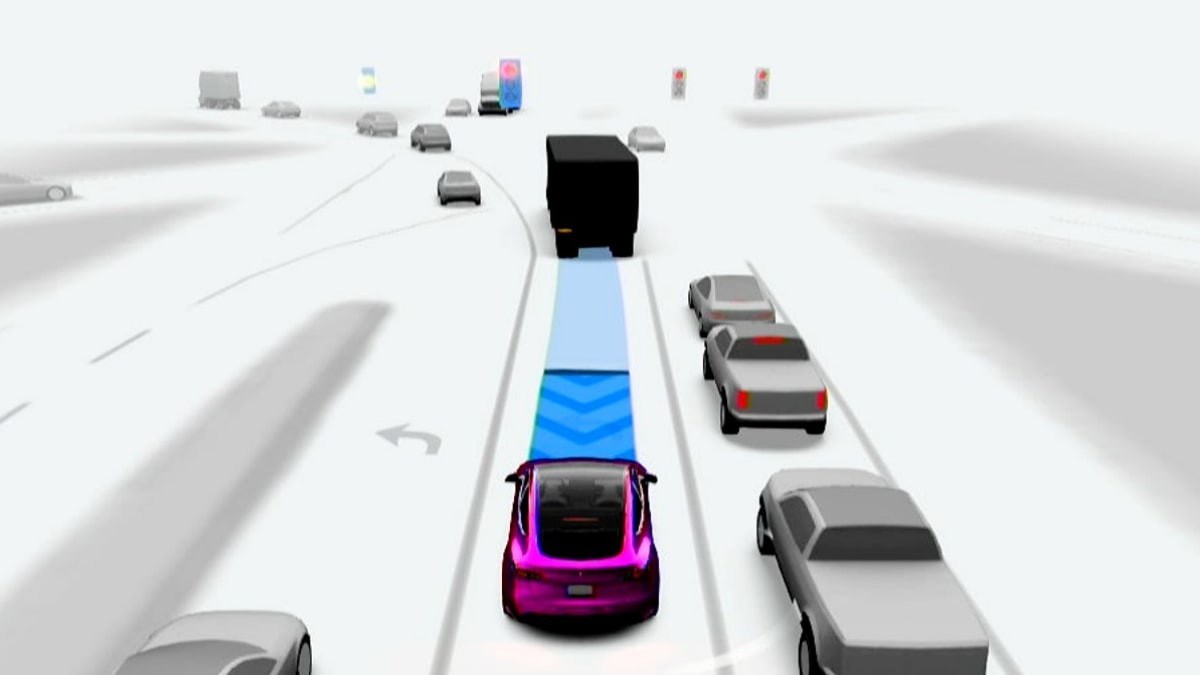
For over a year, Hardware 3 cars were marooned on older software builds while newer models enjoyed advanced AI driving. Pushing v14 Lite was Tesla's attempt to deliver on a long-overdue promise without handing out free computer upgrades to millions of drivers. It seems that idea backfired spectacularly and turned quite a few older Teslas into a rolling thermal experiment.
When you look at the component packaging in these vehicles, the engineering trade-offs become obvious. Traditional legacy manufacturers tend to surround control units with heavy-duty cooling loops and distributed module architectures. Tesla, on the other hand, packed its dense central compute unit straight into the cabin architecture, relying on a shared thermal loop to keep everything cool.
Congratulations to all HW3 Tesla owners!
— Teslaconomics (@Teslaconomics) June 29, 2026
Today marks the end of a journey that began back in 2019.
Tesla sold HW3 with the promise that it had the hardware needed for Full Self-Driving. Many owners believed in that vision early, purchasing FSD outright for $8,000-$15,000,… pic.twitter.com/uFEuSmBo4N
That shared thermal design is exactly where the mechanical gremlins hide. In Hardware 3 cars, the Autopilot computer is on the same liquid cooling loop as the battery pack and cabin climate control system. When you are blasting down the highway in mid-summer heat, preconditioning the battery for a charging session, thermal energy is dumping into that loop from every direction. Add seven years of thermal degradation of factory thermal paste, a few microscopic air pockets near the coolant valves, and high-demand software pushing the processor to its absolute limit, and you have a recipe for meltdown.
From a corporate perspective, the timing could not possibly be worse. Tesla is already facing intense scrutiny and mounting consumer pressure over its past autonomy guarantees. Replacing an out-of-warranty Autopilot ECU can easily cost an owner anywhere from $2,900 to $3,500 - an eye-watering penalty for installing an over-the-air software update sent by the manufacturer. If a software update accelerates the hardware failure of a component Tesla already admitted is underpowered for its purpose, the company risks converting a software headache into a huge warranty liability spanning around 4 million vehicles globally.
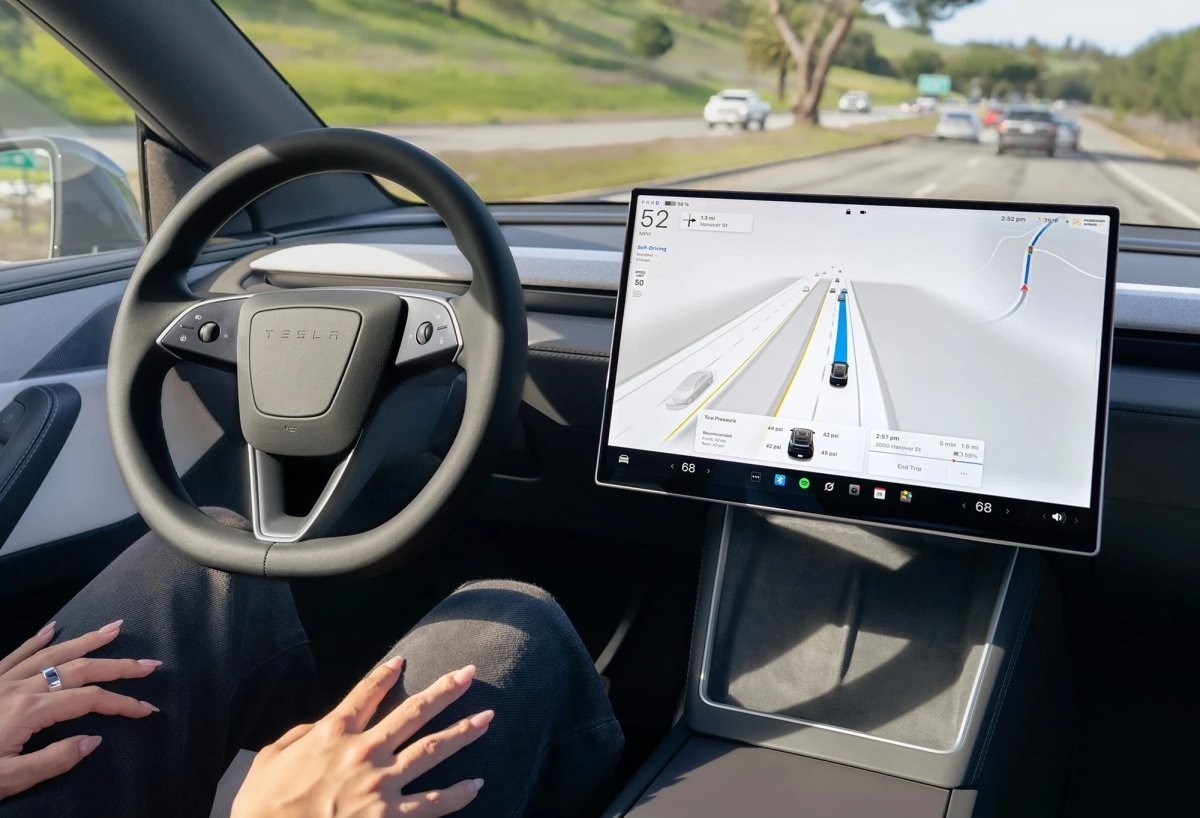
What makes this saga so fascinating to any self-respecting car nut is the shift in how we diagnose breakdowns. We used to spend our Sunday afternoons leaning over engine bays, inspecting spark plugs, hunting for vacuum leaks, and listening for tired water pump bearings. Today, diagnosing an ailing car means reading diagnostic trouble codes like APP_w141 to see if your car's neural processor is suffering from heatstroke. The petrolhead ethos migrated from oily valvetrains to thermal management loops and silicon junction temperatures.
If you are driving a HW3 Tesla and notice the red hands flashing across your screen after installing the latest OTA update, don't blame the software engineers in Austin. Pop the frunk, check your coolant levels, and treat that computer the same way you would a high-strung engine on a hot day. Electric, software-defined cars were supposed to make maintenance a distant memory, but as we learn our expensive lessons - they only swapped rods for silicon.

From the team behind
GSMArena.com
Facebook
Twitter
Instagram
RSS
Settings
Log in I forgot my password Sign up