Waymo believes Tesla is climbing the wrong mountain
Every hiker (even a weekend warrior like yours truly) knows the sickening feeling of a false summit. You sweat for hours, legs aching, lungs burning, 100% convinced that the final peak is just over the next ridge - only to climb over it and discover a near-vertical rock face stretching into what feels like the clouds themselves.
In the multi-billion-dollar race to strip the steering wheel out of modern electric cars, Alphabet's Waymo published an engineering manifesto that delivers that exact ice-cold diagnosis to the autonomous world, and without mentioning their name - looking right at Tesla's high-stakes gamble.
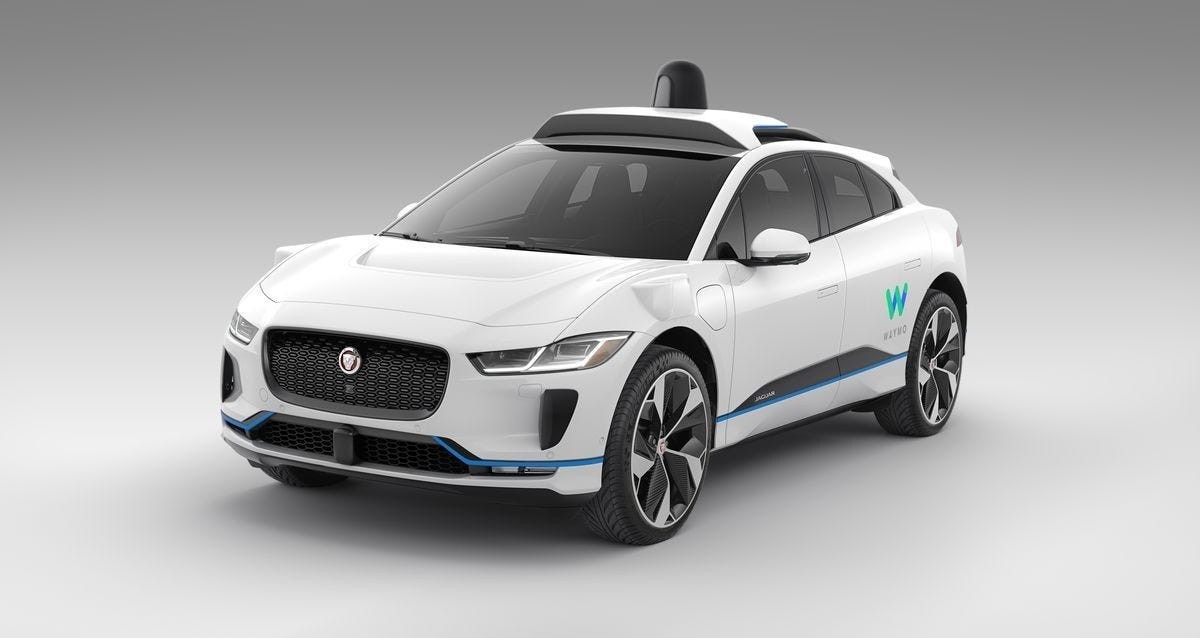
The post, authored by Waymo's head of AI foundations Srikanth Thirumalai, lays out ten fundamental lessons (I wonder if Waymo wanted this to be seen as 10 commandments?) distilled from driving more than 200 million fully driverless miles. It reads like an academic breakdown of machine learning safety frameworks, but in fact it is a tactical broadside against the gospel according to Elon Musk.
Waymo never spells out the letters T-E-S-L-A, but it does not have to. Every single insight dismantles the core engineering pillars of Full Self-Driving (FSD). The most painful strike lands on the famous shortcut: the belief that an advanced Level 2 driver-assist suite can somehow evolve into Level 4 full autonomy.
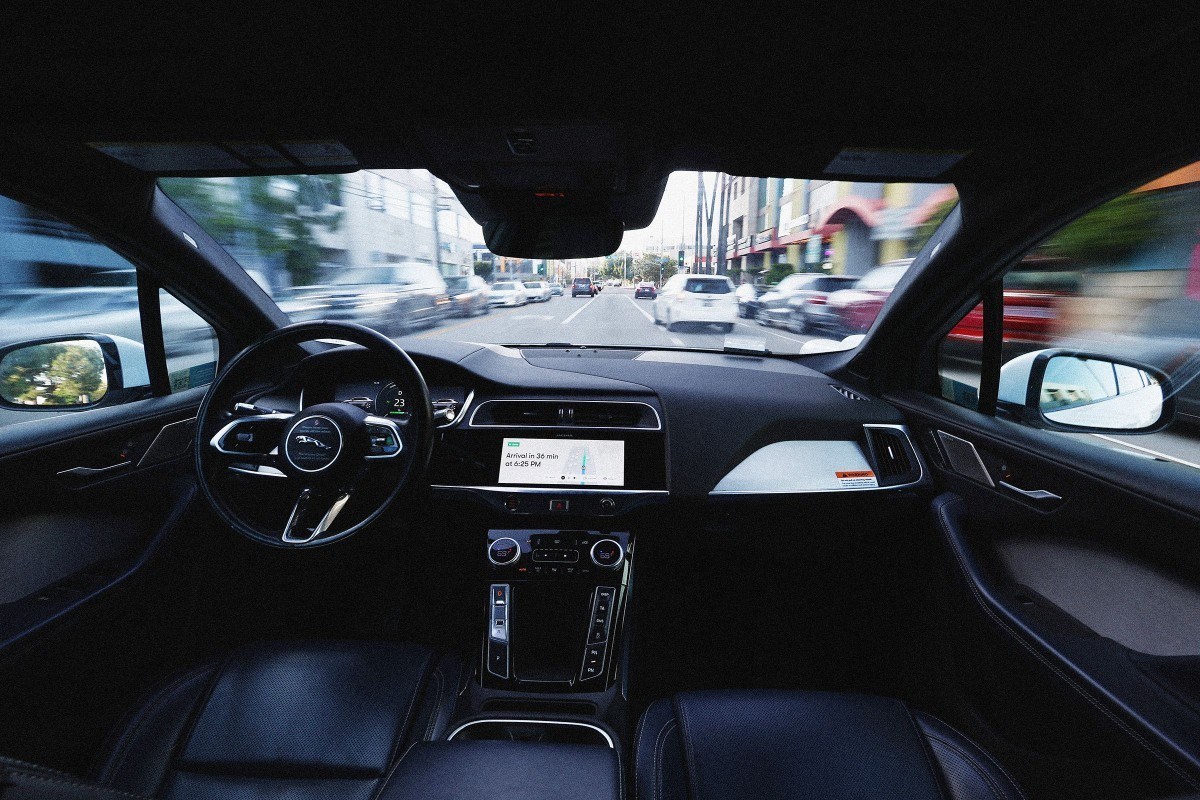
Waymo calls this transition a flat-out false summit. The argument cuts straight to the bone - you can log billions of simulated miles in a server farm, and you can harvest millions of highway miles from everyday customer cars, but none of it prepares an artificial intelligence for reality until you pull the human backup out of the driver's seat. As long as a human driver remains legally responsible and ready to yank the wheel when things get dicey, the AI never confronts the true gravity of its choices.
Then comes the ideological holy war over hardware. Tesla stripped radar and ultrasonic sensors from its cars years ago to cut costs and streamline production, putting all its bets on pure camera vision. Waymo's opening lesson dismisses that approach with cold pragmatism, claiming that multimodal sensor fusion is not up for negotiations.
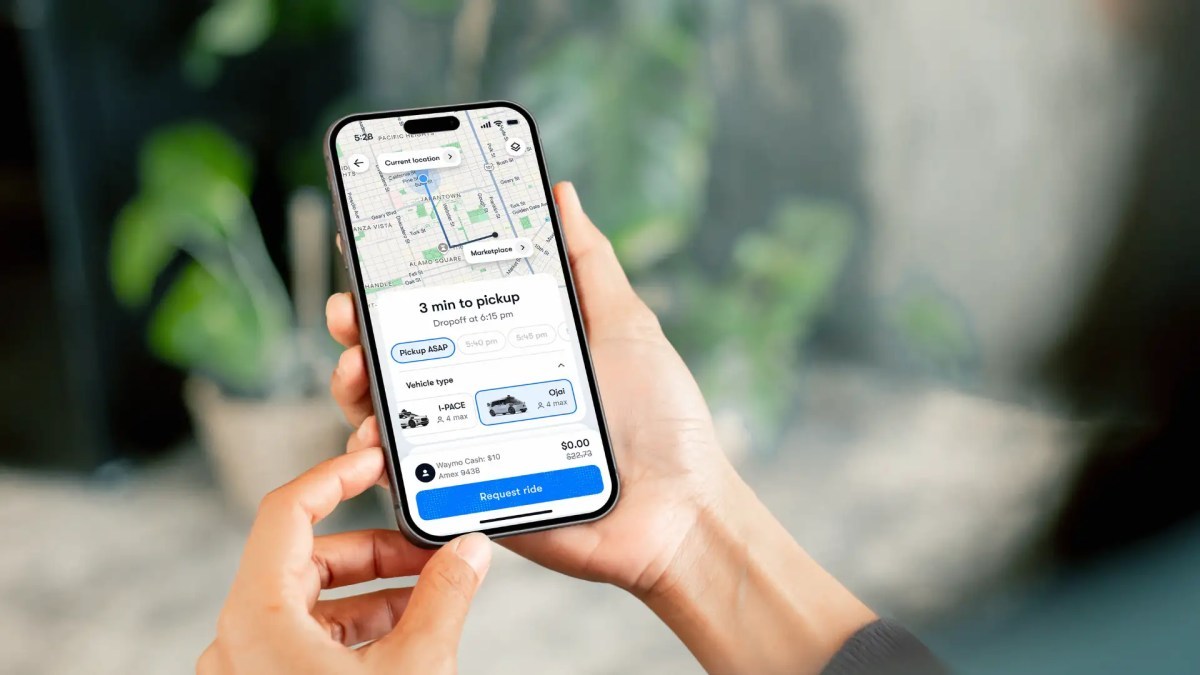
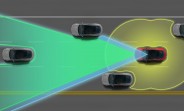
Cameras are fantastic at reading speed limit signs and picking out the hue of a traffic light, but they are vulnerable to blinding low-angle winter sun and thick spray. Waymo pairs high-resolution optical cameras with spinning rooftop lidar to carve out millimeter-precise 3D geometries, while mmWave radar slices straight through torrential rain, dense fog, and blowing dust.
Tesla's strategy bets that lightweight consumer hardware and clever software can achieve what heavy, expensive hardware stacks do. At the same time, Chinese automakers are pushing the hardware arms race into high gear. XPeng's mid-size G6 electric crossover packs dual-LiDAR arrays into an architecture priced around $59,000 in overseas markets, proving that advanced sensory redundancy does not have to cost six figures.
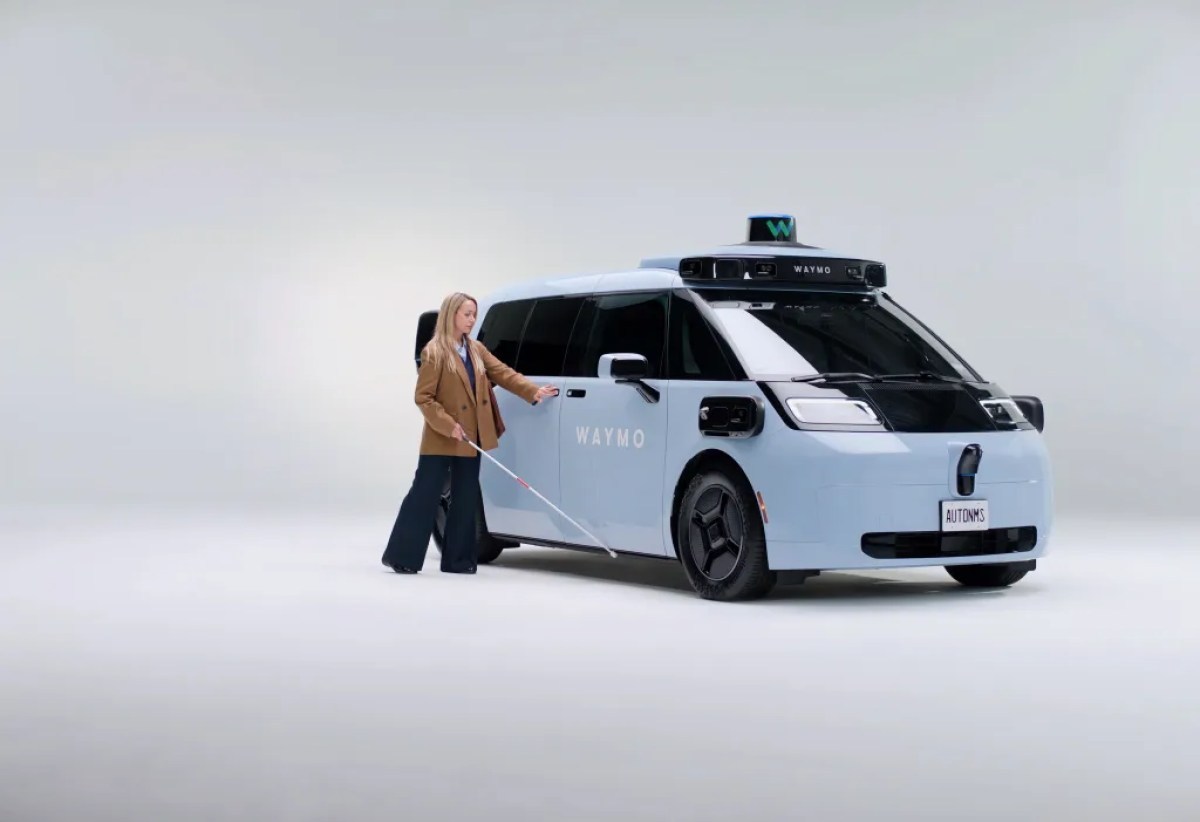
Waymo's fourth lesson goes for modern Silicon Valley orthodoxy: the end-to-end neural network. Over the past two years, Tesla has staked everything on end-to-end models that take raw video pixels from the cameras and feed them straight into steering, throttle, and braking inputs. Waymo warns that relying entirely on a pure end-to-end black box is a dangerous trap because you cannot easily audit how the model makes life-or-death decisions.
Instead, Waymo uses what it calls a "thinking fast and slow" architecture. Rapid sensor fusion handles split-second physical reflexes, and dedicated large Vision-Language Models handle deep scene reasoning (interpreting a traffic cop waving a flashlight around an accident for example).
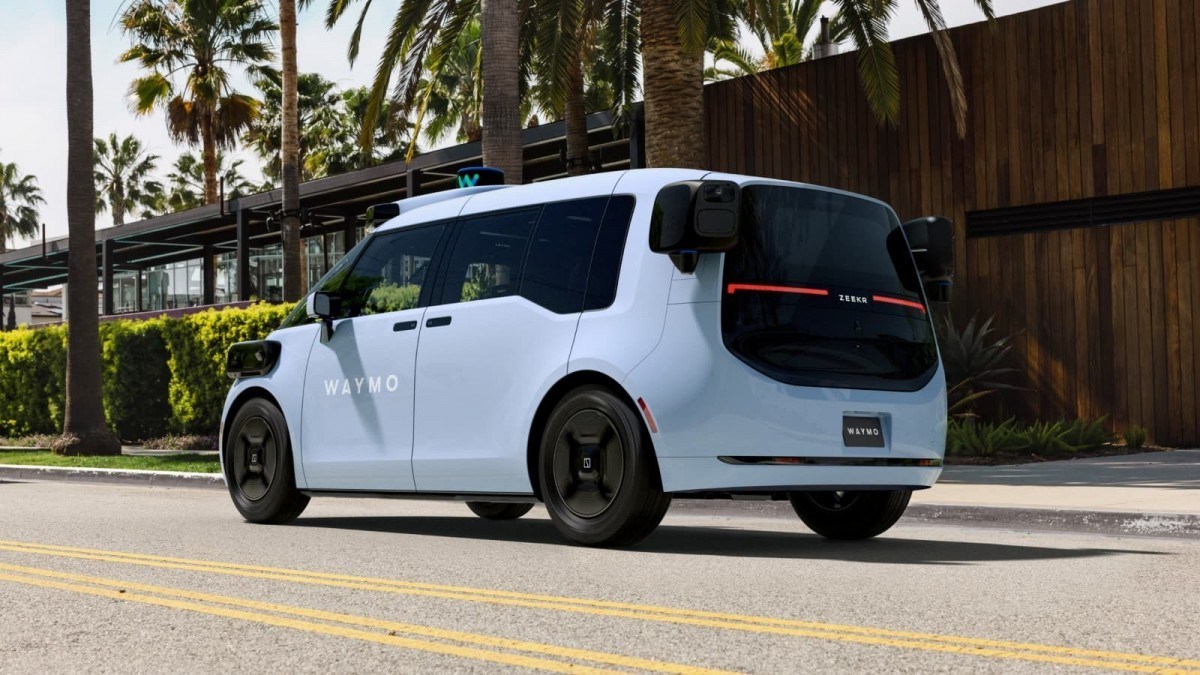
An independent, onboard AI validation layer acts as a backstop, automatically overriding any steering or braking command that violates traffic laws or risks an impact. If the neural network hallucinates a clear path into a construction barrier, the safety backstop slams on the brakes.
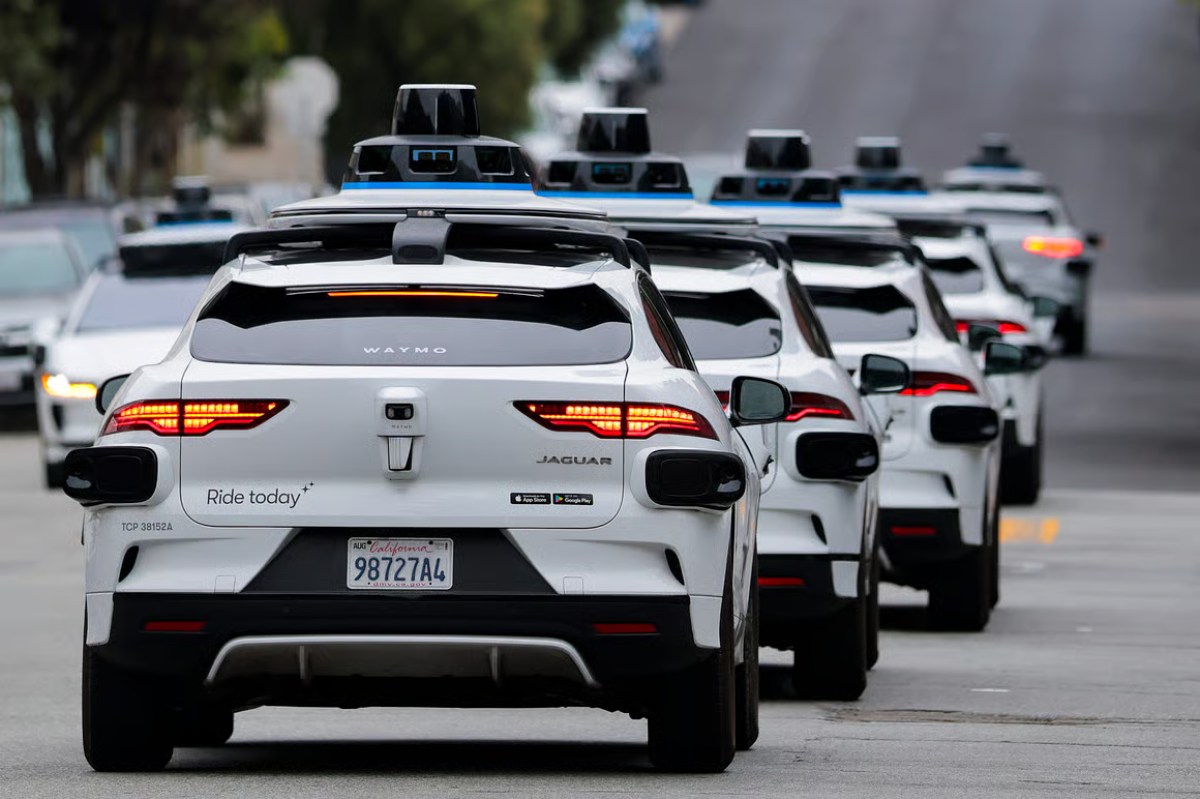
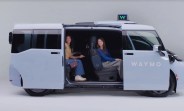
When you look at the operational scorecards, the gap between commercial reality and software promises becomes painfully wide. Waymo is running more than 500,000 paid, fully driverless passenger trips every single week across Phoenix, San Francisco, Los Angeles, Austin, Dallas, Houston, San Antonio and Orlando with sights set on one million weekly rides before the year is out.
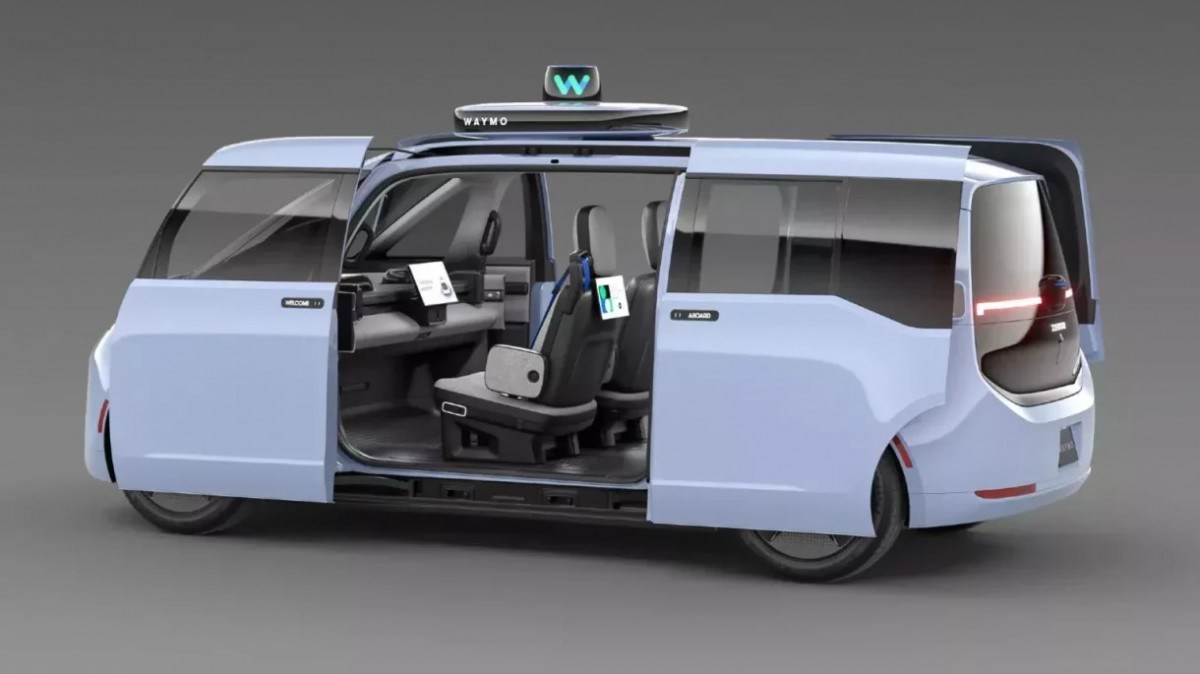
Tesla's limited robotaxi pilot in Austin, operating with human safety monitors in the cabin, managed just 380,000 unsupervised miles over the span of an entire year. Waymo's commercial fleet covers that exact distance in roughly 24 hours. But Tesla's situation is about to change - apparently.
Of course, we have seen this narrative tension before - Silicon Valley's instinct is to move fast, ship beta code, and let the user base debug the product in the wild. But a two-ton electric vehicle carrying a family at highway speeds cannot be treated like an unstable smartphone operating system.
Level 2 driver assistance is a brilliant highway companion that takes the sting out of daily commutes, but pretending that a few over-the-air updates will turn a camera-based commuter car into a commercial robotaxi is starting to look like fantasy. Though again - the Chinese automakers seem to be making a lot of progress. The keyword here is the "seem."
Standing on a lower ridge, it is easy to look up, feel the thin air, and convince yourself that victory is right around the corner. But as 200 million driverless miles have demonstrated, the true peak of vehicle autonomy needs serious sensory climbing gear, rigorous independent safety backstops, and honesty to admit that cameras alone cannot see through every storm. Though there is a slight chance that Waymo and a few others (including myself) got it completely wrong, and Elon will prove us wrong next month.

From the team behind
GSMArena.com
Facebook
Twitter
Instagram
RSS
Settings
Log in I forgot my password Sign up