Dallas gets Waymo, London gets Uber and Wayve - two-speed reality of autonomous taxis
There is something eerie about watching a vehicle pull up to the curb, pop its indicator, and smoothly join the traffic without human hands on the wheel. No matter how many times you try it, there's a moment of awe. Sure, the ride is nothing like a science fiction novel and more like an overly polite machine nailing the morning commute. In Dallas, that "experiment" is no longer confined to a handful of software engineers - Waymo has officially thrown open the doors, allowing anyone with a smartphone to hail a fully driverless ride across the Texan metropolis.
By now, Waymo's expansion has a predictable rhythm: initial mapping, quiet internal trials for employees, a gated access list, and finally opening the floodgates to the general public. In Dallas, more than 150,000 locals signed up during the warm-up phase alone. The fleet is already tackling all the heavy urban challenges, pushing testing onto Dallas freeways and practicing with the chaotic drop-off lanes at Dallas Love Field Airport.
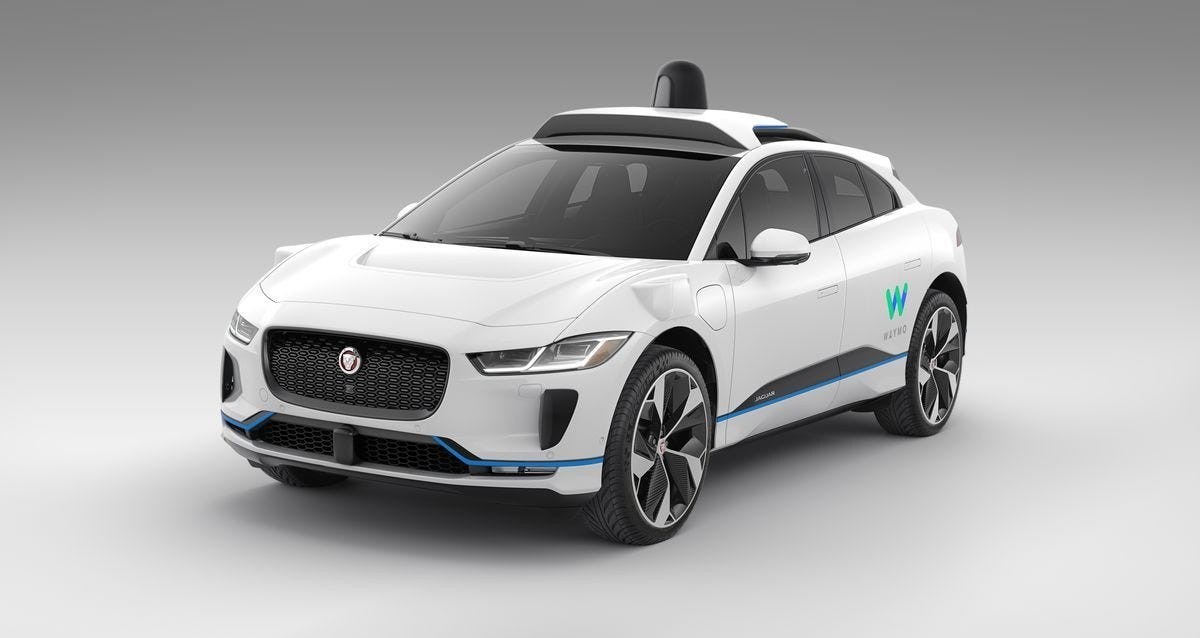
Apart from the novelty of watching a steering wheel turn itself, there is an important practical point to this transition. Partnering with advocacy groups like the Epilepsy Foundation Texas, Waymo reminds us of a benefit that gets drowned out by corporate spin - genuine independence. For thousands of people living with medical conditions that legally bar them from holding a driver's license, an autonomous electric shuttle is a life-changing ticket to reliable, unassisted mobility.
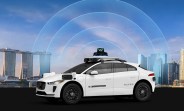
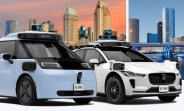
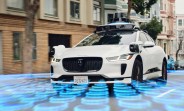
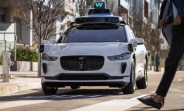
Under all those whirring LIDAR sensors sits a well-known workhorse platform - the fully electric Jaguar I-Pace. At 184.3 inches in length and tipping the scales at a hefty 4,868 lb, Jaguar's electric pioneer carries its heavy lithium-ion battery pack low in the chassis, offering an exceptionally stable foundation for heavy compute gear. Jaguar shut down the I-Pace production as the brand prepares an ambitious leap into ultra-expensive electric GTs. Yet in Waymo's hands, these original luxury EVs continue to rack up millions of driverless miles.
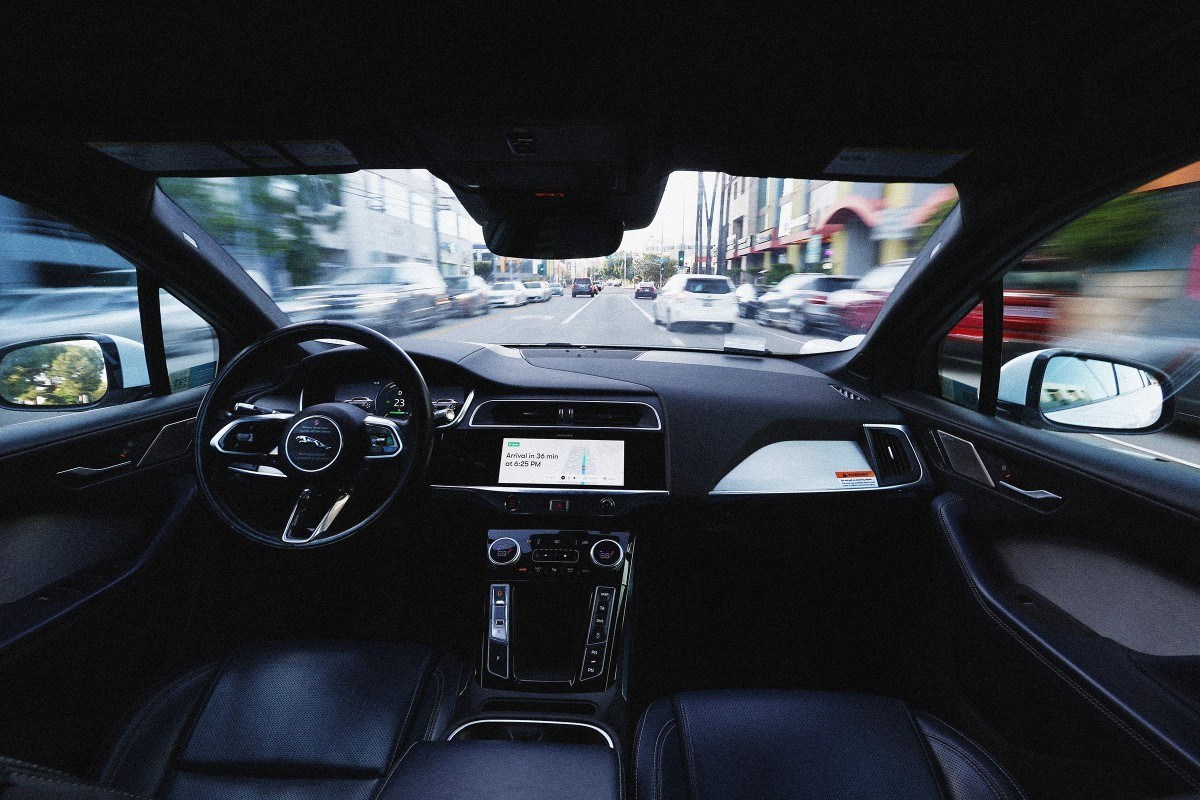
Across the Atlantic, London is taking on the autonomous question with a dramatically different philosophy - and a serious dose of British regulatory caution. Transport for London (TfL) issued private hire licenses to Uber for a fleet of autonomous vehicles powered by Cambridge-born AI firm Wayve. But do not expect to see empty driver seats cruising past Big Ben - TfL's strict safety framework demands a licensed taxi driver behind the wheel, ready to take over instantly. The Uber license is a part of TfL's new strategy to eliminate severe road injuries by 2041.
The hardware rolling through London streets is quite different to Waymo's luxury Jag fleet. Uber and Wayve are deploying modified Ford Mustang Mach-E crossovers - a vehicle that generated plenty of online outrage when Ford first attached the iconic pony badge to an electric SUV. Measuring 185.6 inches from bumper to bumper with a curb weight of 4,788 lb, the Mach-E sits right in the center of the electric crossover battleground. Stacked side by side against direct rivals, it is slightly shorter than a Tesla Model Y at 187 inches long and 4,363 lb mass, but it is longer than a Hyundai Ioniq 5 at 182.5 inches.
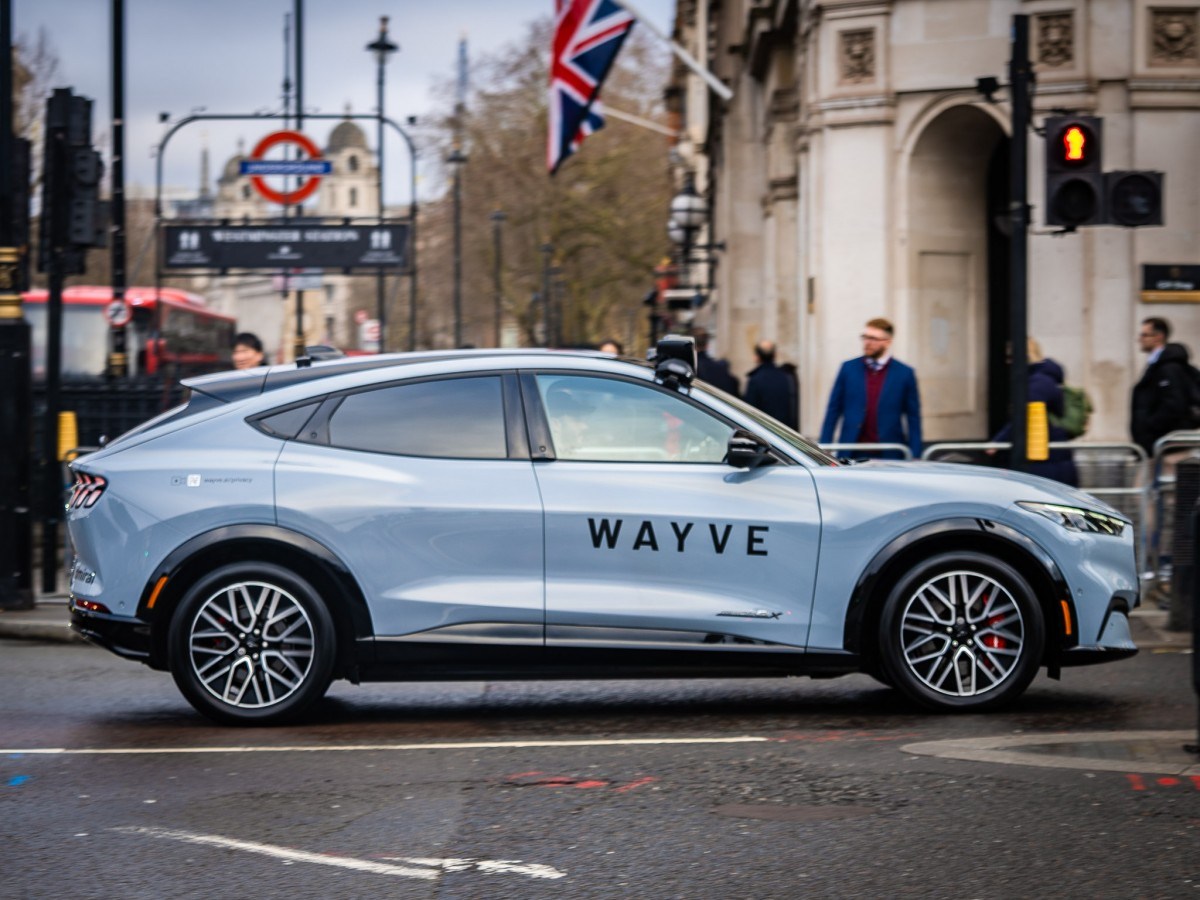
Different EV models are just a part of this scenario - the contrast in software architecture is where the real drama unfolds. Where Waymo relies on sensor stacks and heavily pre-mapped geographical boundaries, Wayve favors a vision-first approach powered by end-to-end deep learning. The engineers teach the car to "see" and adapt like a human driver using standard production vehicles like the $69,000 Mach-E.
Uber's role in this endeavor is a strategic one. After selling off its own money-burning self-driving hardware division years ago, Uber has morphed into the ultimate digital orchestrator, offering over 100,000 signed-up Londoners the chance to sample Wayve's technology later this summer.
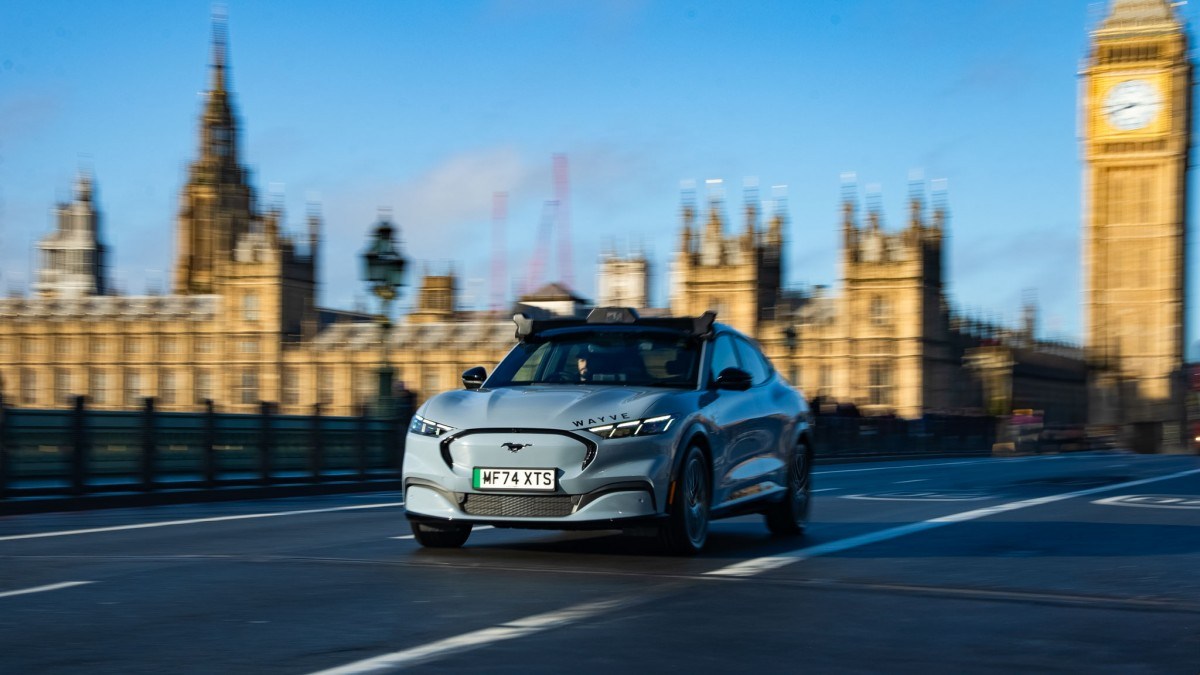
This dual-track evolution reveals an interesting paradox: In Texas, uncrewed EVs are already part of the traffic on multi-lane highways. In London, minicab driver unions nervously watch human supervisors operating under strict municipal rules. And yet, despite all the different regulatory philosophies and software architectures, one thing is clear as day: the EV platform is the backbone of autonomous transport.
Like any auto junkie, I love the mechanical feedback of a three-pedal manual car, and the EV revolution wasn't easy to accept. But watching the rise of driverless electric pods is a properly surreal experience. Sure, we are not surrendering the joy of driving overnight, but watching these silent machines navigate complicated urban scenarios with clinical precision tells me that the future of public transport is already on our streets.

From the team behind
GSMArena.com
Facebook
Twitter
Instagram
RSS
Settings
Log in I forgot my password Sign up