BMW i3 vs Tesla Model 3: The 5 key differences
Since its arrival, the Tesla Model 3 has been the benchmark for electric sedans. Almost every other automotive company tried to beat it, but few came close. The Model 3 was the definition of a great electric vehicle, but with the Neue Klasse and its all new i3 BMW seems to have a legitimate claim of having something significantly better..
If somehow you've managed to miss the news, the i3 isn't a battery version or a refresh of a familiar car - it is a completely fresh start for the German brand. Based on the "Neue Klasse" platform, this electric sedan wants to beat the world's favorite in ways that actually matter to drivers, like how far it goes, how fast it charges, and of course - how well it drives.
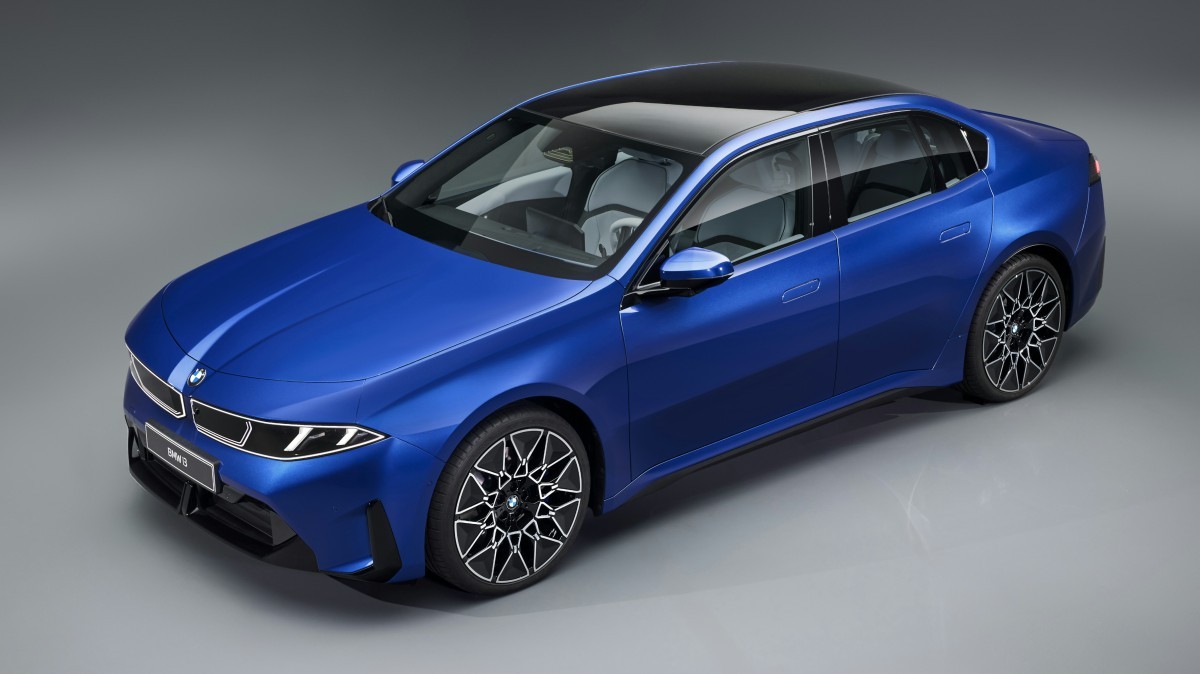 The new BMW i3
The Tesla Model 3 has seen its sales dip recently, but it still remains the target everyone wants to hit. The new BMW i3 tries to do that by channeling the spirit of the famous 3 Series sedan. It brings a mix of high-tech features and a premium interior that will try to pull buyers away from Tesla. The Model 3 is known for being simple and fast, but BMW wants to prove that an electric car can be both smart and truly luxurious.
Range
Range is one of the first things people ask about when discussing electric cars, and Tesla used to be the king of distance. Unfortunately for the US automaker, BMW's new battery technology is changing the status quo.
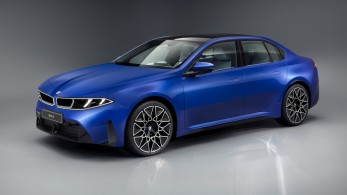
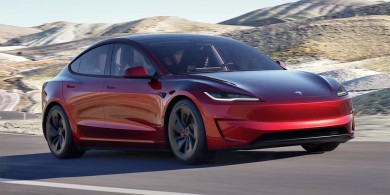
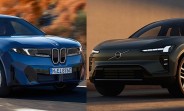
BMW i3 v Tesla Model 3
The first model coming to the market is the BMW i3 50 xDrive, and it claims it can travel 440 miles on a full charge. In comparison, the longest-range Tesla Model 3 can only go about 363 miles. If you choose the fast Model 3 Performance, that distance drops even further to 309 miles. These are the WLTP official numbers, and at least on paper, BMW wins hands down.
Charging
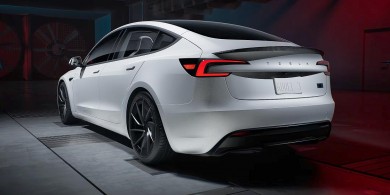
Charging speed is another area where the BMW i3 shines. It can handle charging speeds of up to 400 kW. If you find a fast enough charger, you can add about 249 miles of range in just 10 minutes. Obviously those figures need to stand the real life tests - we have seen the BMW iX3 (which uses the same drivetrain) sustaining the 400 kW speed for only a few short minutes. Was it the charger issue, or is BMW going for the headlines? We'll have the answer when we test the new i3 ourselves.
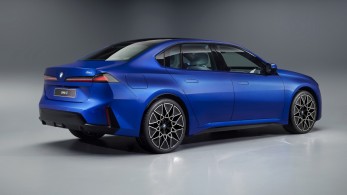
BMW i3 v Tesla Model 3
The Tesla Model 3 tops out at a far more conservative 250 kW for most models, and its base version is limited to 225 kW. This means the Tesla takes about 15 minutes to add 170 miles. For anyone who takes long road trips, those extra minutes and kilometers will eventually add up to quite a big difference. BMW wins here again, although this is a win based on official figures.
Power
When it comes to pure power, the two EVs take different paths. The BMW i3 50 xDrive is the first model to go on sale, and it comes with two motors and all-wheel drive. It delivers 463 horsepower and 476 lb-ft of torque. This puts it roughly against the Model 3 Long Range with dual-motor 498-hp powertrain.
BMW i3 v Tesla Model 3
Tesla has a time advantage here since the Model 3 has been on the market for many years. It offers more choices, ranging from a basic model that takes 5.8 seconds to reach the same speed to the "Performance" monster that does it in a blistering 2.9 seconds.
BMW isn't twirling its thumbs and plans to release a faster "M" version later to challenge Tesla and every other automaker out there. This will be a proper M model, with rumored 1,000 horsepower on tap. But it is Tesla that wins this part for now - the Model 3 Long Range has a 30hp advantage and is possibly a smidgen faster.
Interior
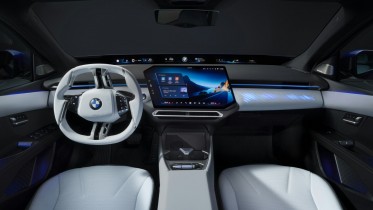
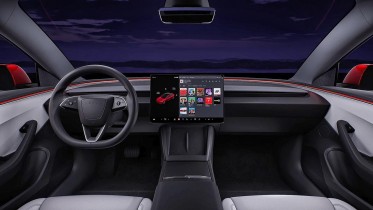
Inside the cabin, the designs are worlds apart. Tesla is famous for its "minimalist" look, which some people love, and some call it sparse and brutal. There are almost no buttons in Tesla; instead, a single 15.4-inch screen controls everything. The choice of fabrics and interior colors is limited, and Tesla did struggle with quality for many years, although those problems are mostly resolved now.
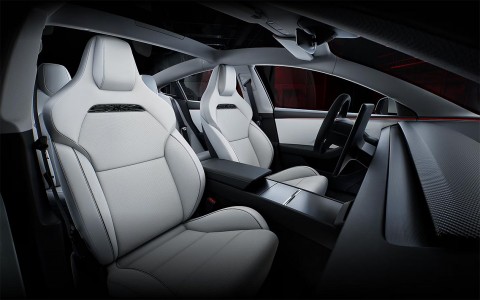
BMW i3 v Tesla Model 3
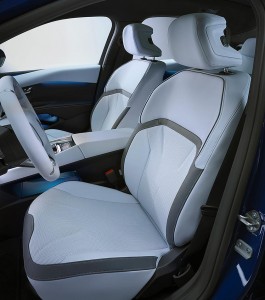
In comparison, the BMW i3 feels far more modern and expensive. The upholstery is sumptuous, the materials and plastics are superior to those used in Tesla, and the entire cabin is on an entirely different level. The 17.9-inch center screen takes care of all the media, and the "Panoramic iDrive" display that spans the bottom of the windshield delivers all the important info for the driver and passengers. BMW feels like a proper premium EV, while Tesla is far more utilitarian, almost cheap when compared to the i3.
Price
In Europe, the pricing will be a very important part of BMW's marketing strategy. The new i3 will have to fight with the Model 3 and the new Mercedes CLA, giving us a pretty good idea about the price structure. The Mercedes CLA 350 4MATIC starts at $70,800 in Germany, and it is very likely the i3 50 xDrive will land around the same number. The Tesla Model 3 Long Range AWD costs $60,200 in Germany, making it a cheaper, but inferior option - and BMW will not be chasing Tesla for prices.
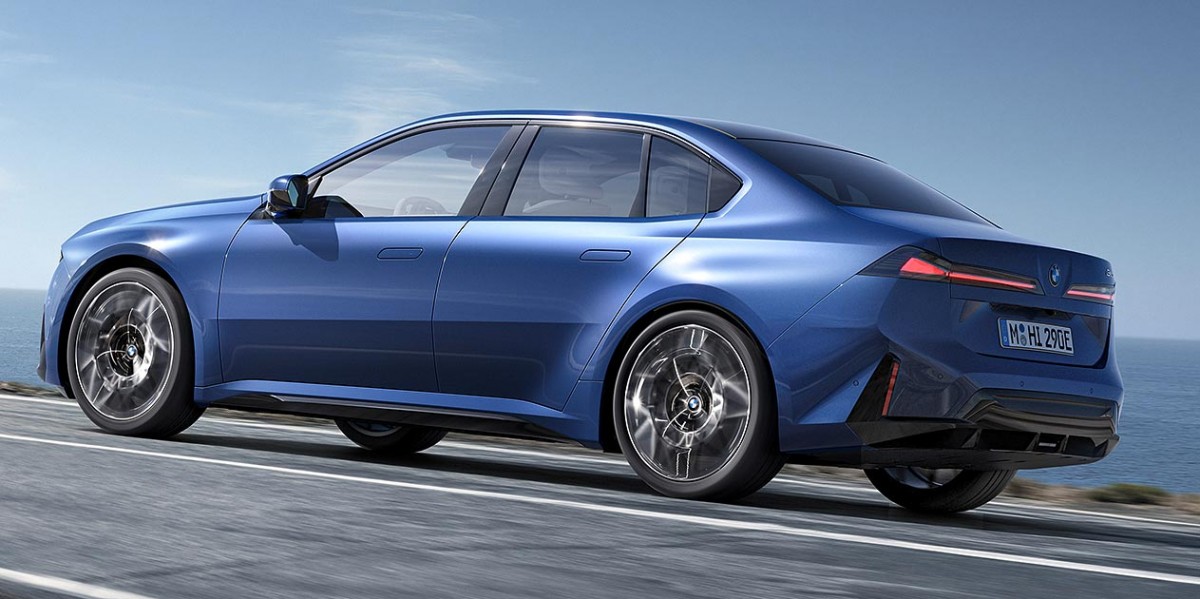 The new BMW i3 50 xDrive
US pricing hasn't been released yet, but the top-end Tesla Performance model costs $54,990, which is likely where the BMW's price will start. BMW is betting that customers will be willing to pay more for a car that feels more like a luxury product and less like a computer on wheels.
The arrival of the BMW i3 is a huge moment for the entire EV industry. It gives buyers a high-end choice that competes directly with the Tesla Model 3 and the new Mercedes-Benz CLA. There's no doubt that Tesla has better self-driving software and a faster top-end model for now, but BMW has moved ahead in range, charging, and interior quality. Production starts this August, and the first cars should reach owners by the fall. It seems the electric sedan race has finally got a lot more interesting - we finally have a real choice.


From the team behind
GSMArena.com
Facebook
Twitter
Instagram
RSS
Settings
Log in I forgot my password Sign up