The charging cable vs. the fuel pump: unpacking XPeng's powertrain dilemma in the L03
The identity crisis of the modern electric vehicle age has officially arrived, and it is wearing the badge of a single, sleek coupe SUV. When XPeng pulled the silk off the L03, they quietly laid bare the great powertrain schism of our time. On one side of the garage sits the pure electric enthusiast's choice - the RWD Long Range. On the other side sits the ultimate safety net for the chronically anxious - the PowerX EREV (Extended Range Electric Vehicle).
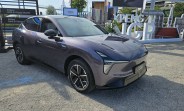
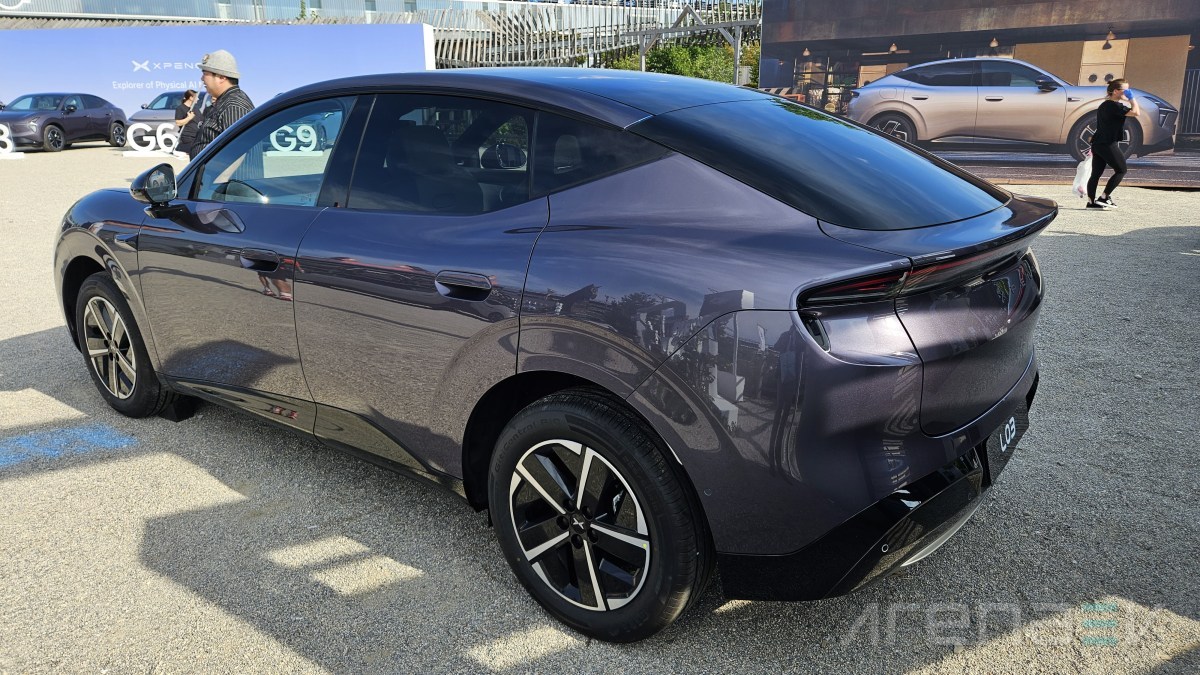 XPeng L03 Long Range RWD
Same sheet metal, same clever artificial intelligence brain, but completely different souls under the skin. It forces us to ask a fundamentally dirty question: do we want the absolute purity of a giant battery pack, or are we ready to compromise our electric virtues for a tiny gasoline safety blanket?
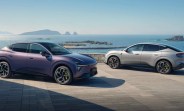
Let's talk about the physical wrapper first, because XPeng has sculpted something genuinely handsome here that avoids the bare design trends of its rivals. The L03 is 183.1 inches long, 75.6 inches wide, 63 inches tall, and it is riding on a generous 112.2 inches wheelbase. This puts it in a middle ground between its stablemate, the chunkier XPeng G6, which stretches to 187.1 inches long, and the omnipresent yardstick of the class, the Tesla Model Y at 187 inches in length.
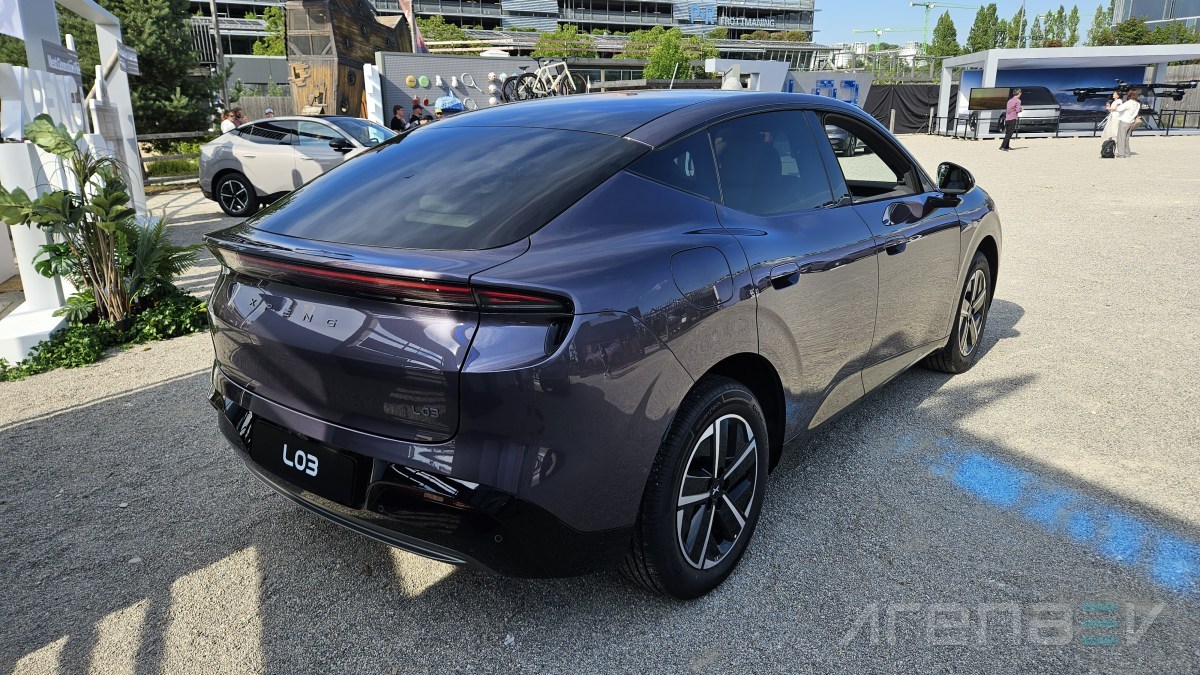 XPeng L03 Long Range RWD
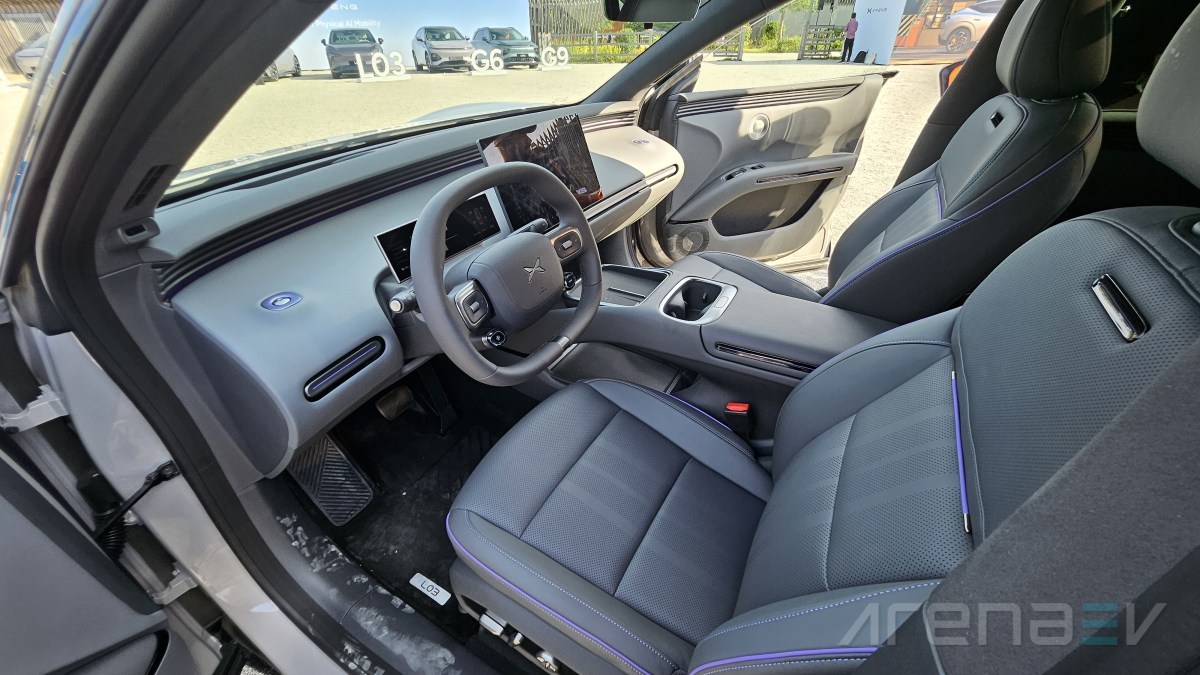
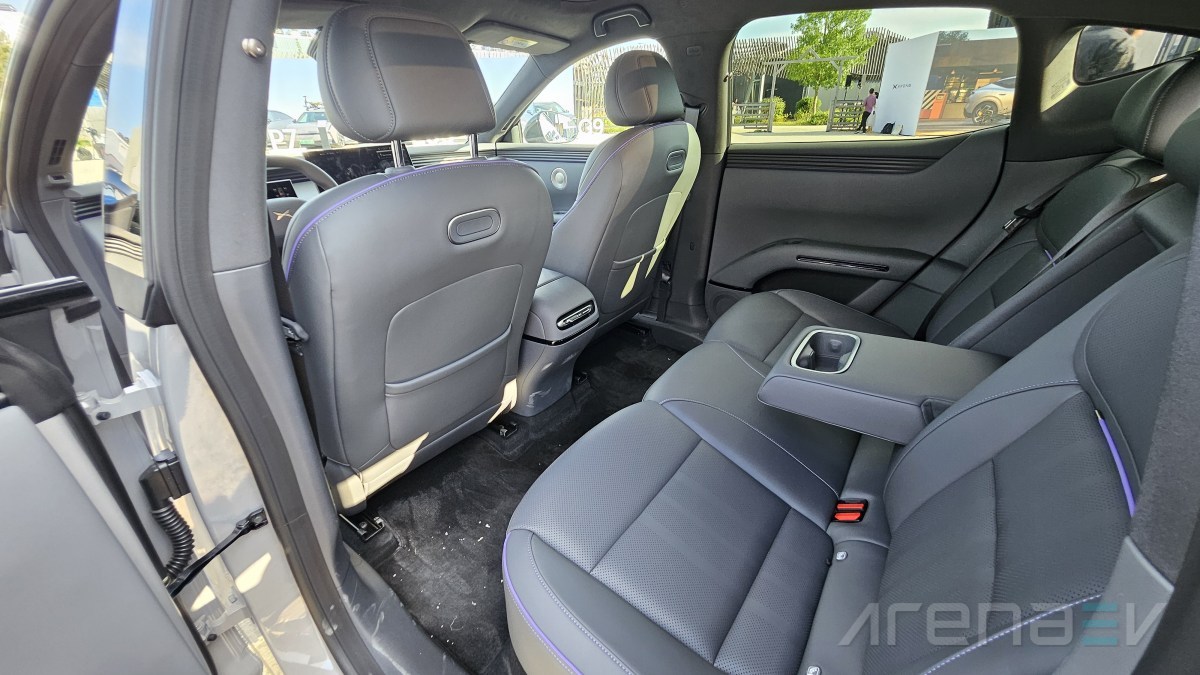
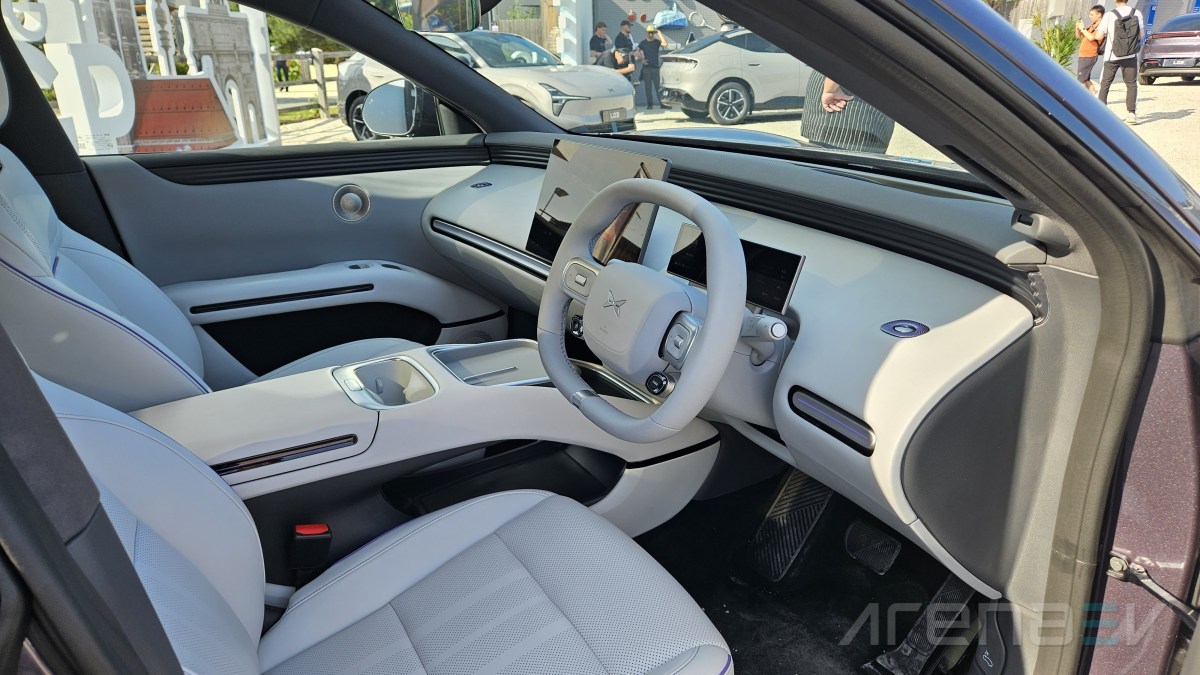
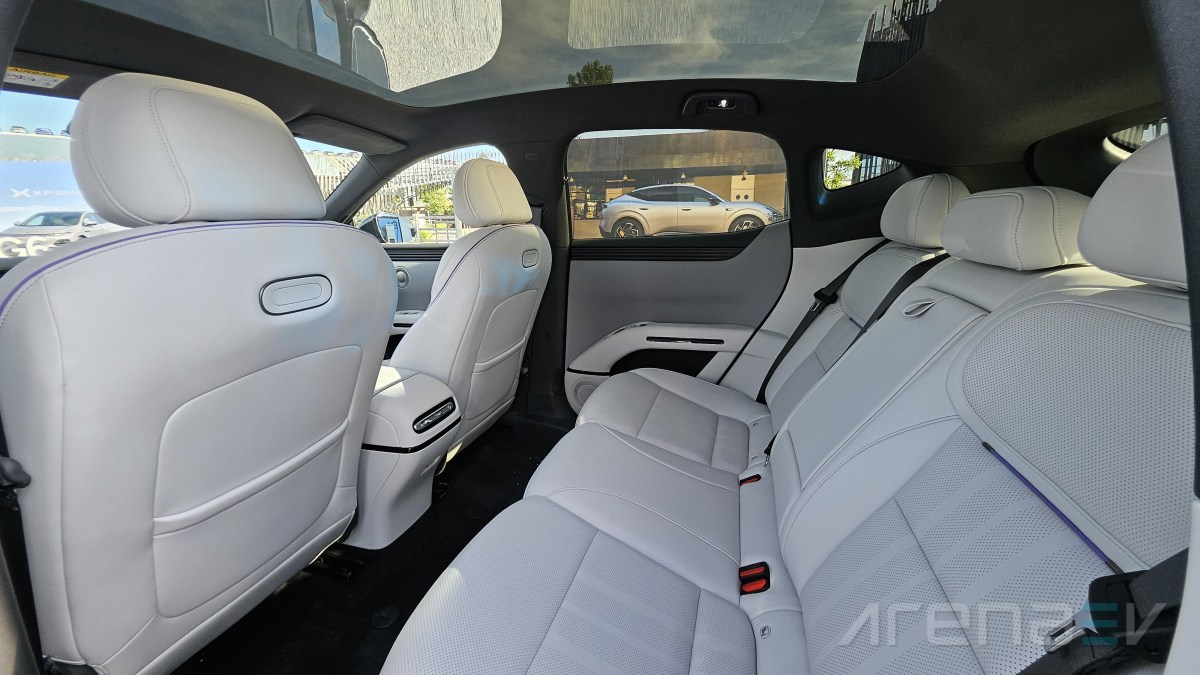
By pulling the wheels right out to the absolute corners of the body, the L03 manages to feel remarkably spacious inside despite that swooping, low-slung coupe roofline. Rear passengers get surprising amounts of headroom, completely confounding the usual fastback packaging penalties that normally make you feel like you are riding in a padded cell.
If you choose the RWD Long Range, you are getting the pure electric textbook experience. Tucked under the floorboards is a {{71.2 kWh}} Lithium-iron Phosphate (LFP) battery pack sourced from CALB, supplying juice to a single rear-mounted electric motor. This setup puts {{245 hp}} directly to the rear wheels, making it a proper, traditional enthusiast layout.
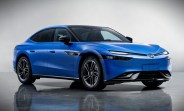
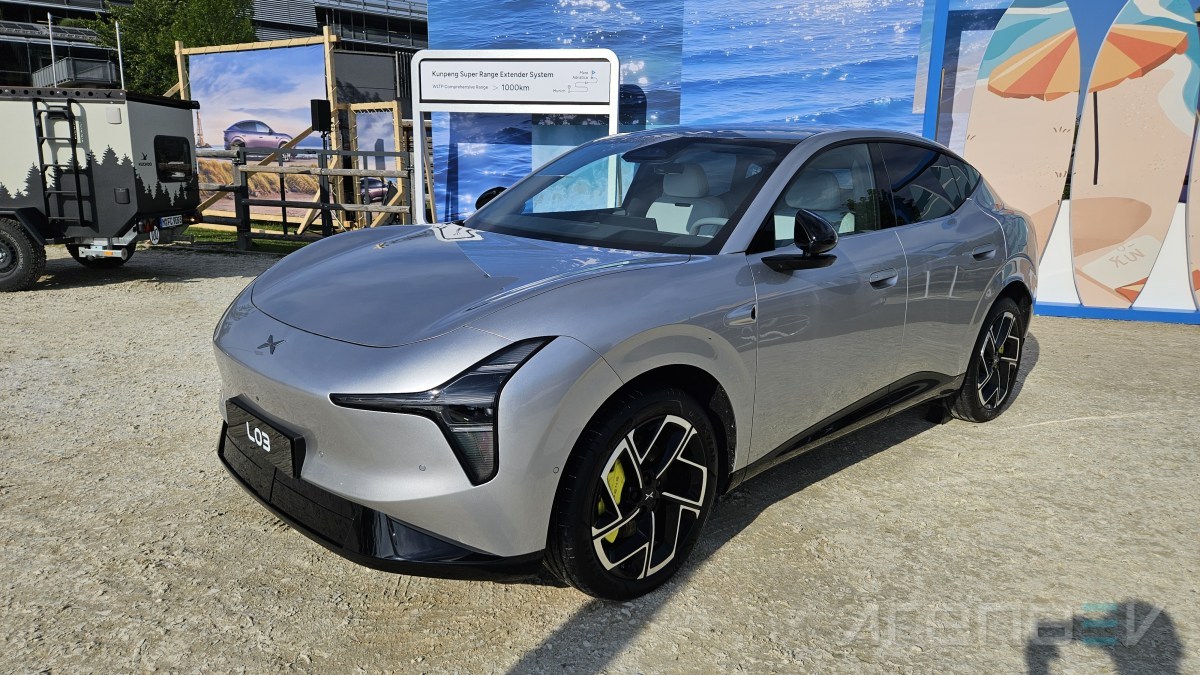 XPeng L03 PowerX Ultra
Boot the accelerator and those electric ponies go wild, rocketing you from zero to 62 mph in a crisp 6.6 seconds. It feels light on its feet, nimble, and inherently balanced - exactly what you expect when you decouple an electric car from the baggage of an internal combustion engine. Plus, with a solid WLTP-rated range of 323 miles, it is more than ready for long-distance cruising.
But say you look at that 323-mile figure and still get a tiny twitch of range anxiety. That is where the L03 PowerX enters the frame, turning in a completely different direction. Instead of carrying a massive, heavy battery around all day, the EREV model slashes the battery capacity down to a much leaner {{37.2 kWh}} pack from Eve Energy.
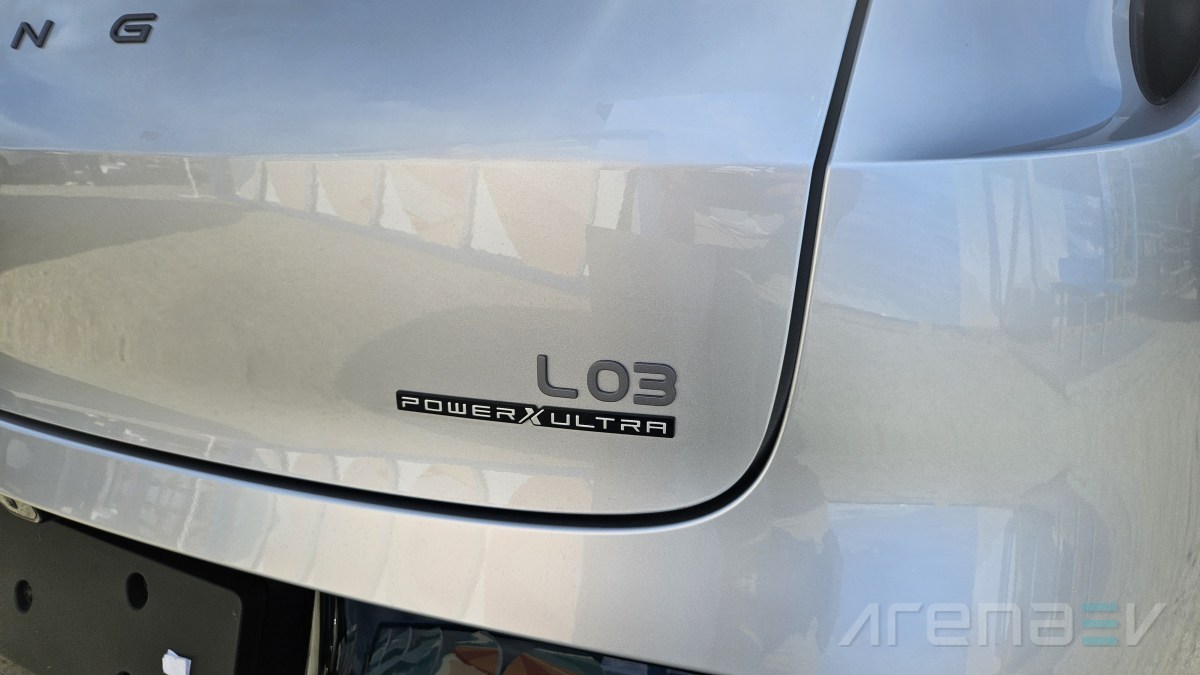
The genius - or the madness - is in what fills the remaining void: a front-mounted 1.5-liter gas-powered generator paired with a {{42 L}} fuel tank. The engine never turns the driven wheels directly - its sole, unglamorous job is to act as an on-board power station, keeping the battery topped up when you run out of electrons. On pure battery power alone, you will cover roughly 134 miles, but once that little engine starts humming, your total combined range rockets past the 620-mile mark.
Naturally, cramming a multi-cylinder combustion engine under the hood of a vehicle designed around electric architecture comes with some practical casualties. If you choose the battery-only Long Range model, pulling the hood release reveals a thoroughly useful {{89 L}} plastic-lined front trunk (or frunk) - a perfect place to chuck muddy hiking boots, wet charging cables, or ice and cold refreshments for a weekend escape.
Opting for the EREV PowerX means your frunk privileges are instantly revoked. Pop the hood there, and you are greeted by a gray plastic cover hiding a puzzle of hoses, manifolds, and belts. No ice chests, no dirty gear storage - pure old-school mechanical real estate instead.
You might expect the addition of an entire internal combustion apparatus to turn the EREV into a sluggish tank, but the numbers tell a surprisingly competitive story. Because the PowerX has a smaller battery pack, it tips the scales at 4,266 lb - the pure electric Long Range model has 4,442 lb to deal with.
When it comes to straight-line performance, the two models are neck-and-neck. Both versions use their instant electric torque to handle the standard sprint in under 7 seconds - 6.6 seconds for the pure EV and 6.8 seconds for the generator-assisted hybrid. Whichever flavor you go for, you get that linear, effortless shove in the small of your back that makes darting through urban traffic an absolute blast.
Oh, and if you are worried about extra noise coming from that generator running up front - XPeng thought about that. Every L03 is fitted with ANC (Active Noise Cancellation), but the EREV version gets another gadget, dedicated to keeping its ancient identity top secret. The solution is called ENC+RNC - this clever noise-canceling cuts the road noise by 50%, and more importantly - it makes the interior of the EREV version louder by less than 1dB. For any human being, that difference is simply impossible to tell.
So, what about running costs? Well… The running math turns this powertrain choice into a full-blown financial strategy game depending entirely on where you source your energy. If you live in the UK and are lucky enough to have a driveway and a cheap overnight tariff, charging the pure EV's big pack at a sweet $0.12 per kWh means a full top-up for those 323 miles costs less than $8.93. Honestly, it feels like you are getting away with bank robbery.
Meanwhile, the EREV owner looking down the barrel of UK pump prices averaging a stinging $2.14 per liter will watch a full fill of that {{42 L}} fuel tank sail well past $89. Even if you keep the EREV's smaller battery soaked in cheap home electricity, relying on liquid dinosaurs to hit that ultimate 620 miles threshold is going to pinch your wallet far harder over a long year of commuting. So - it's a no-brainer, right?
Wrong! The script flips entirely the moment you leave the comfort of your garage. If you take the pure electric Long Range on a cross-country blast, you are at the mercy of public infrastructure. Standard slow {{7 kW}} curbside plugs aren't too offensive at $0.41 per kWh, but roll up to a predatory ultra-fast DC charging station on the motorway, and you can expect to shell out as much as $1.24 per kWh.
At that point, a high-speed juice-up for the pure EV costs nearly $88 - virtually dead-even with the cost of a tank of petrol. Suddenly, the EREV's ability to bypass the overpriced charging queues entirely and just splash twenty quid of fuel into the tank starts looking less like an environmental cop-out and more like a tactical masterstroke.
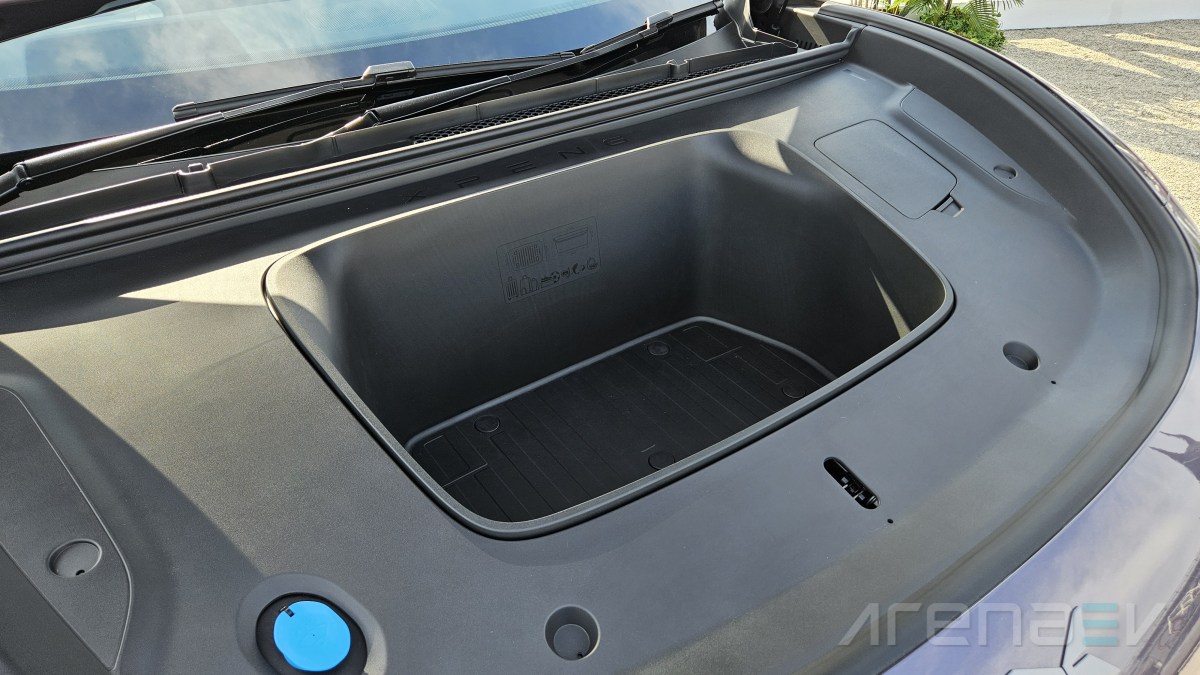 XPeng L03 Long Range RWD gets a big frunk
620 miles in the EREV will cost at worst $136 - the same distance in the BEV comes in at eye-watering $169. Charging at home helps the battery-powered L03 cover the same distance for under $18, while the EREV empties your wallet out of nearly $95, even when it is using cheap electricity. I can imagine the mad math calculations the potential buyers will perform before deciding which model to go for.
Let's stay on the money subject for a moment, and address the pricing strategy. Historically, manufacturers charged a premium for pure battery vehicles because lithium-ion packs cost an absolute fortune. XPeng has completely changed that for the L03's European rollout. In Belgium, the EREV PowerX version actually has a higher entry price of $45,090, while Swedish buyers have to pony up $47,200 for the privilege of carrying a gas tank.
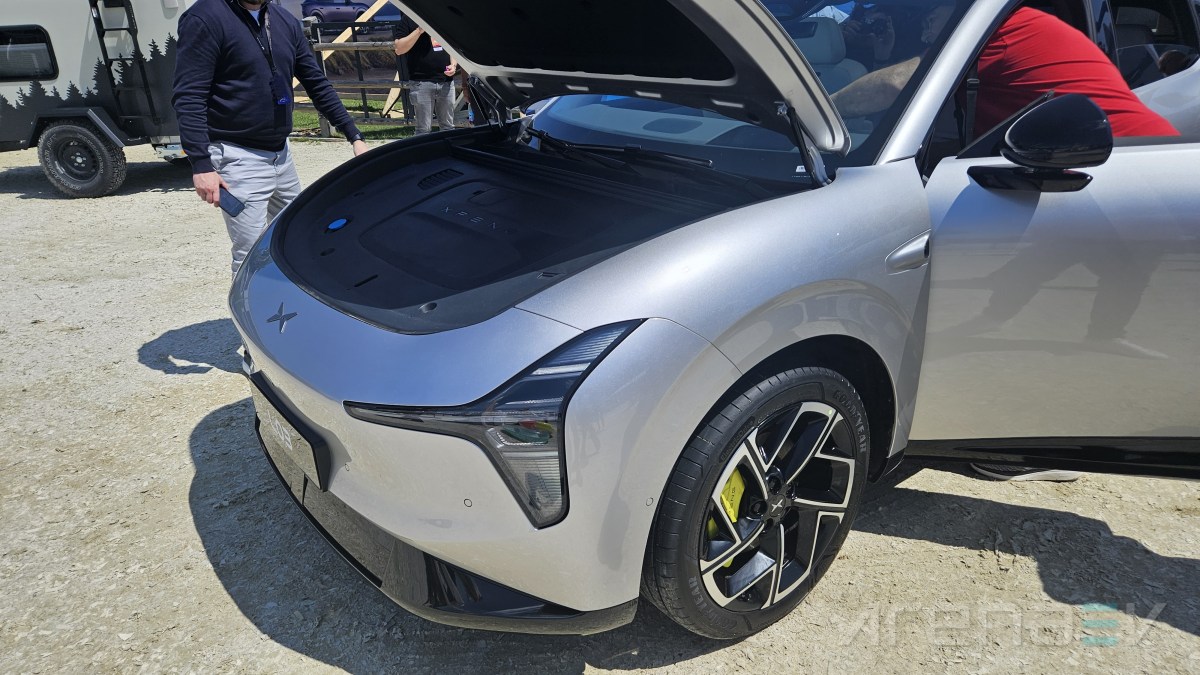 XPeng L03 PowerX has no frunk at all
The base pure-electric variants kick off at a much friendlier $40,990 in France and Belgium. It is a wonderfully passive-aggressive piece of corporate marketing: XPeng is essentially telling the public that if you are so determined to cling to the safety blanket of a petrol pump, they will gladly build it for you - but you are going to pay a premium for the privilege.
And of course, there's the Northern capital of electric cars - Norway. The EREV is not even going on sale in Viking's country, and the cheapest Standard Range L03 starts from a shocking $31,900. You can get the new Fiat Panda Grande for that kind of money in the UK or a Renault 5 in its most basic form. Let's see what prices XPeng will set for the British market.
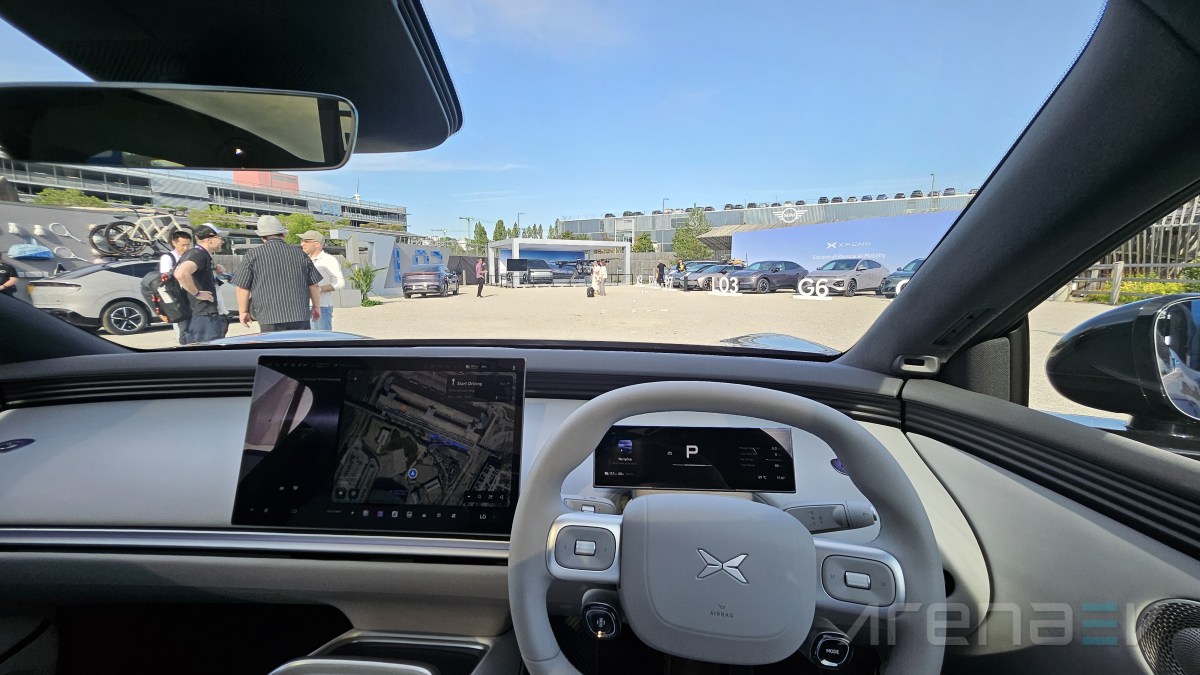
This bold, multi-energy strategy is a curious approach for XPeng, a brand that built its reputation on cutting-edge, pure-electric tech like its self-developed Turing ADAS chips, which pump out a staggering 750 TOPS of computational brainpower. By launching the L03 with both powertrains, they are expanding into European markets, targeting drivers who love intelligent, screen-heavy cabins but hate the idea of public charging infrastructure.
If you are thinking of getting the L03, your choice boils down to a fundamental lifestyle choice. If you live a life around a home charger and value the utilitarian joy of a muddy frunk, the RWD Long Range is the definitive winner. If your road trips routinely cross continental borders without a single charging stop in mind, pay the premium, sacrifice the frunk, and let the PowerX generator hum its way to 620 miles of pure freedom.
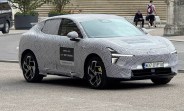
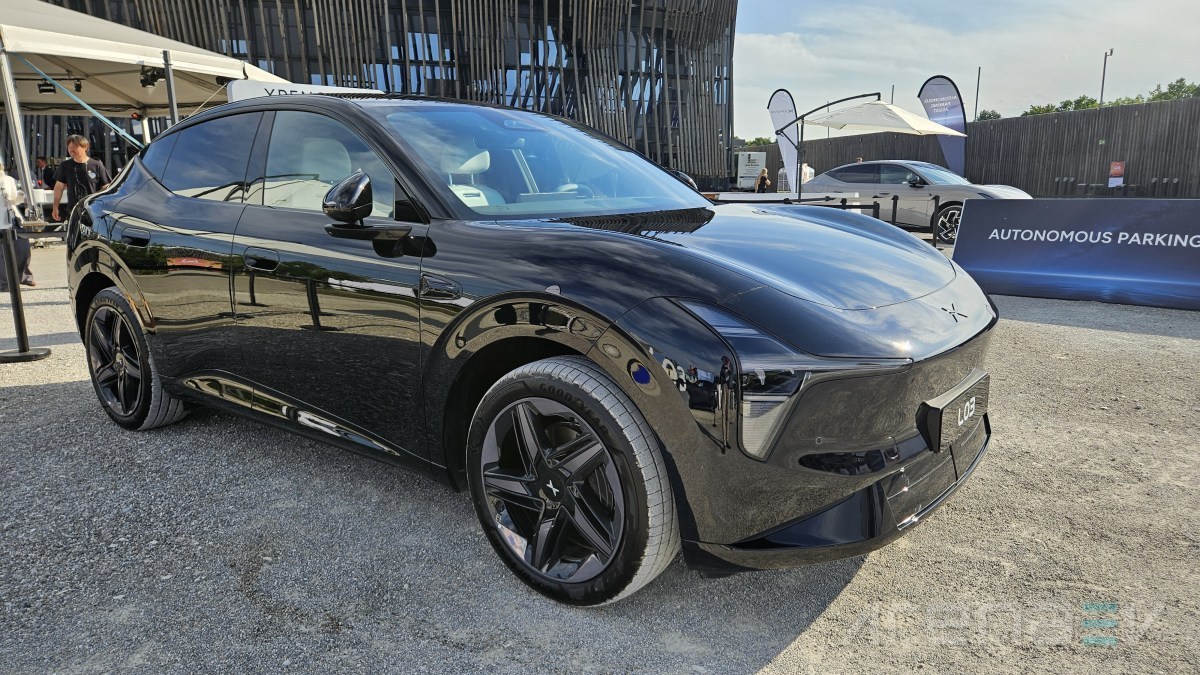 XPeng L03 Performance Ultra AWD
Unless you want the third option, the dark horse of the family. And that would be the Performance Ultra version - two electric motors, 285 kW power output, and AWD. Sure, the range will never reach 300 miles, but if you like to sprint to 62 mph in 4.5 seconds, range is unlikely to be your primary concern. Choices, choices, choices…

From the team behind
GSMArena.com
Facebook
Twitter
Instagram
RSS
Settings
Log in I forgot my password Sign up